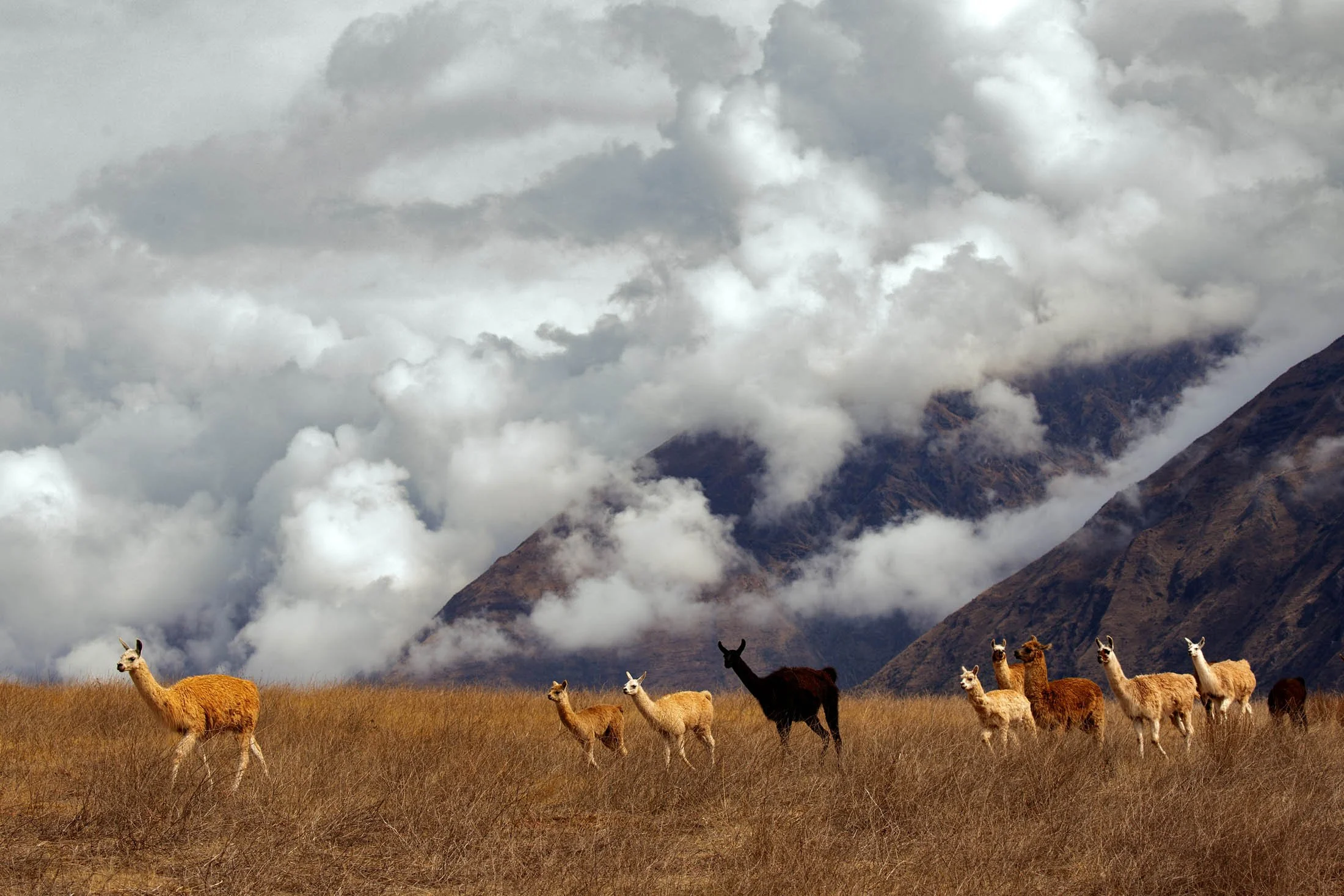
Peru
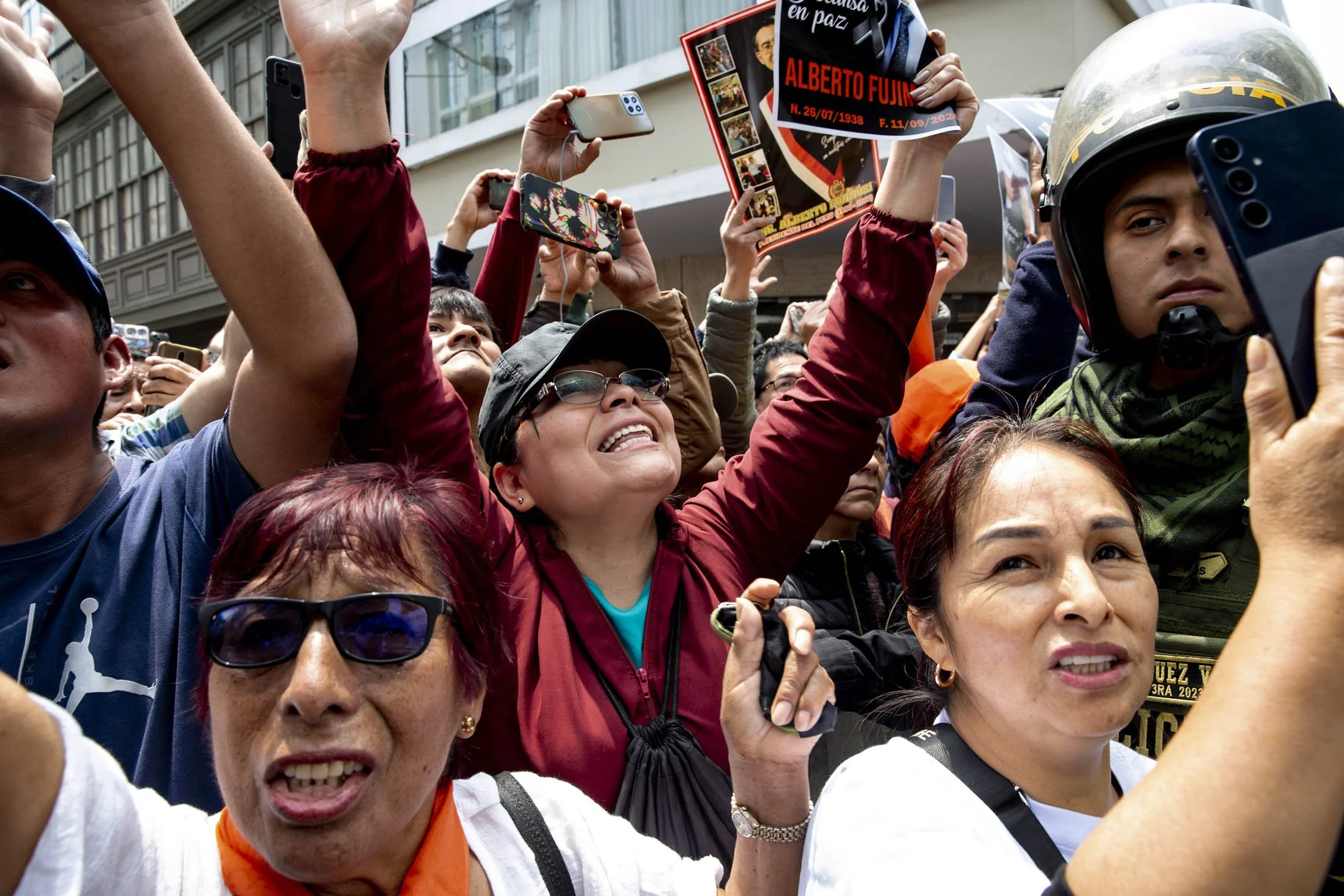
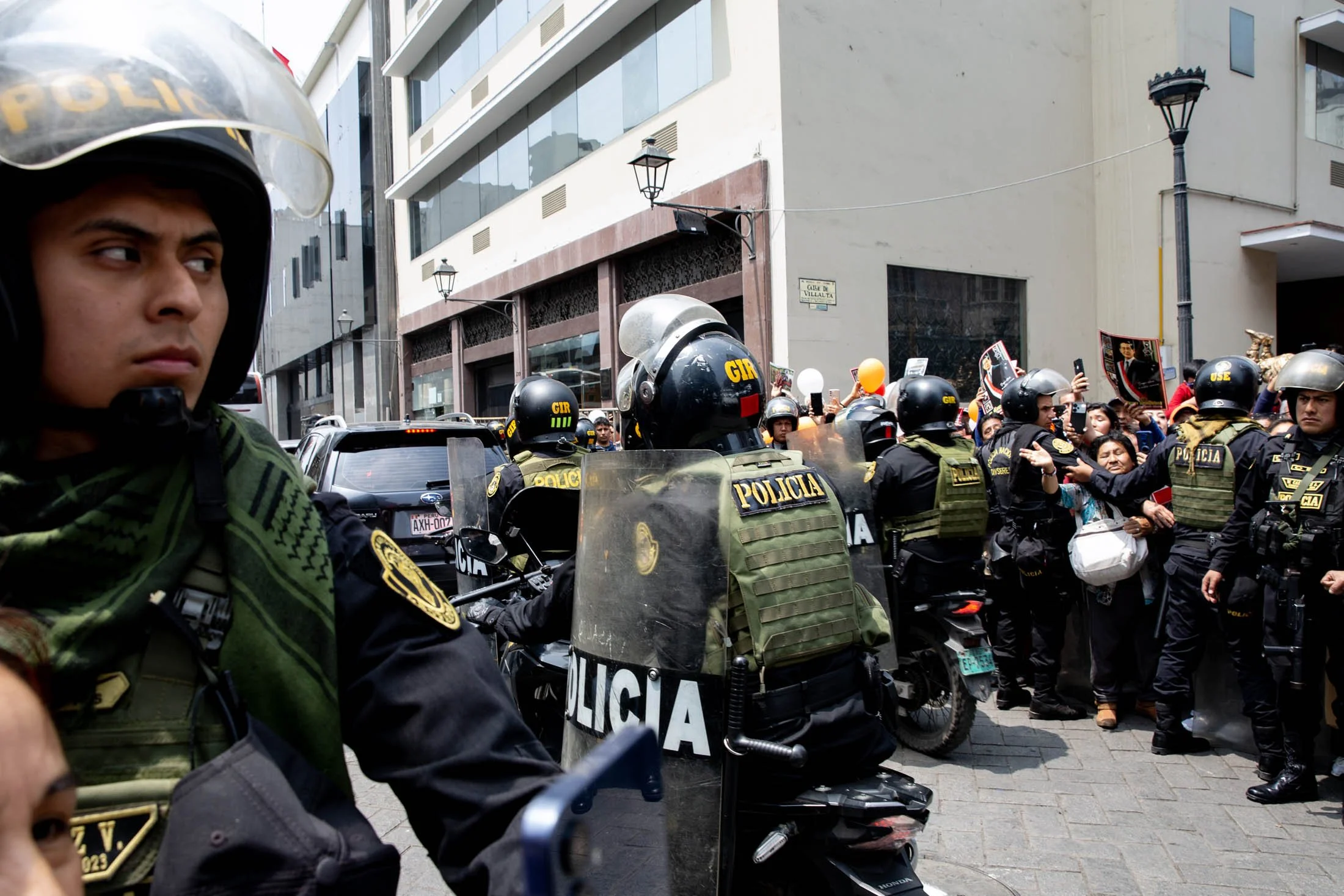
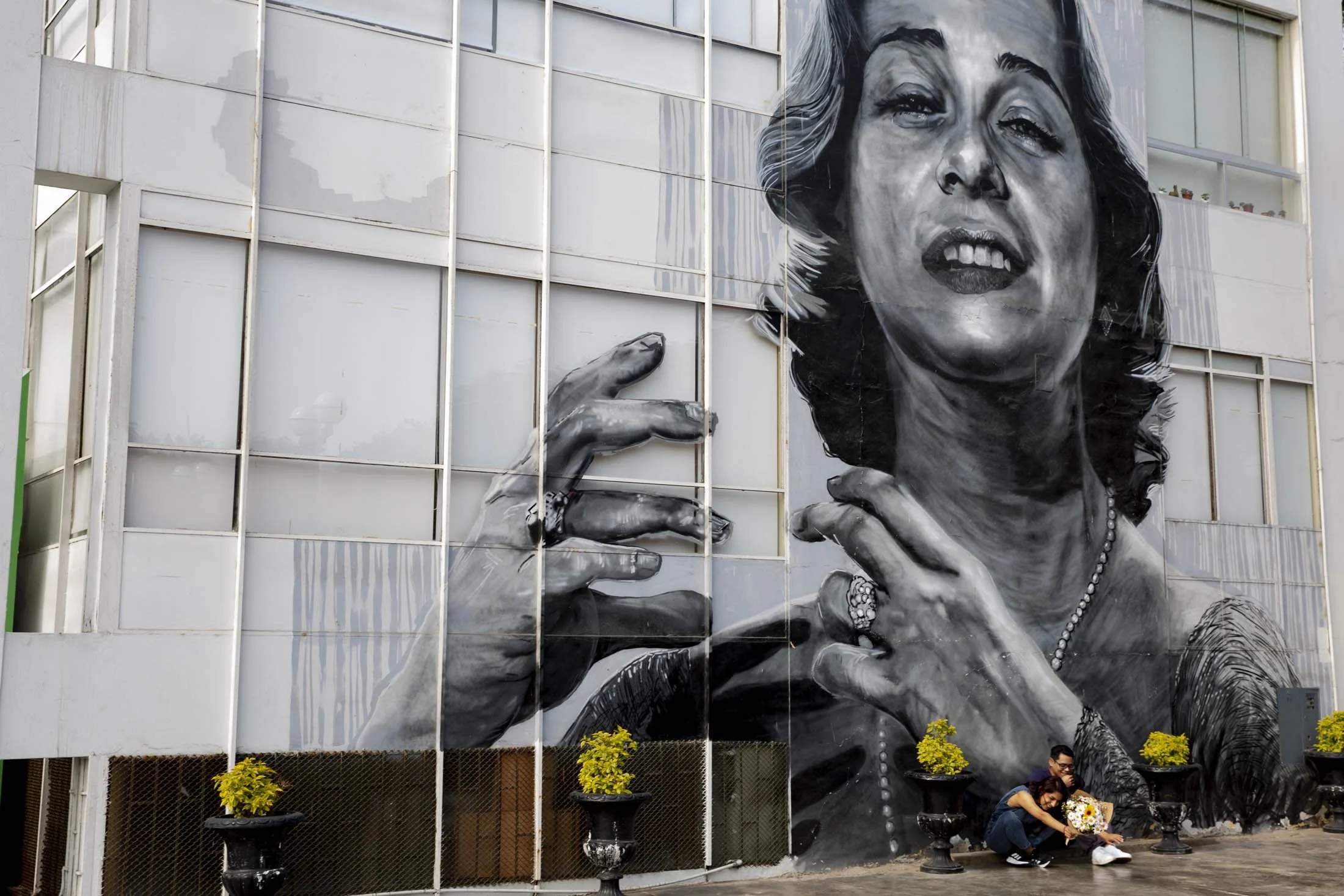
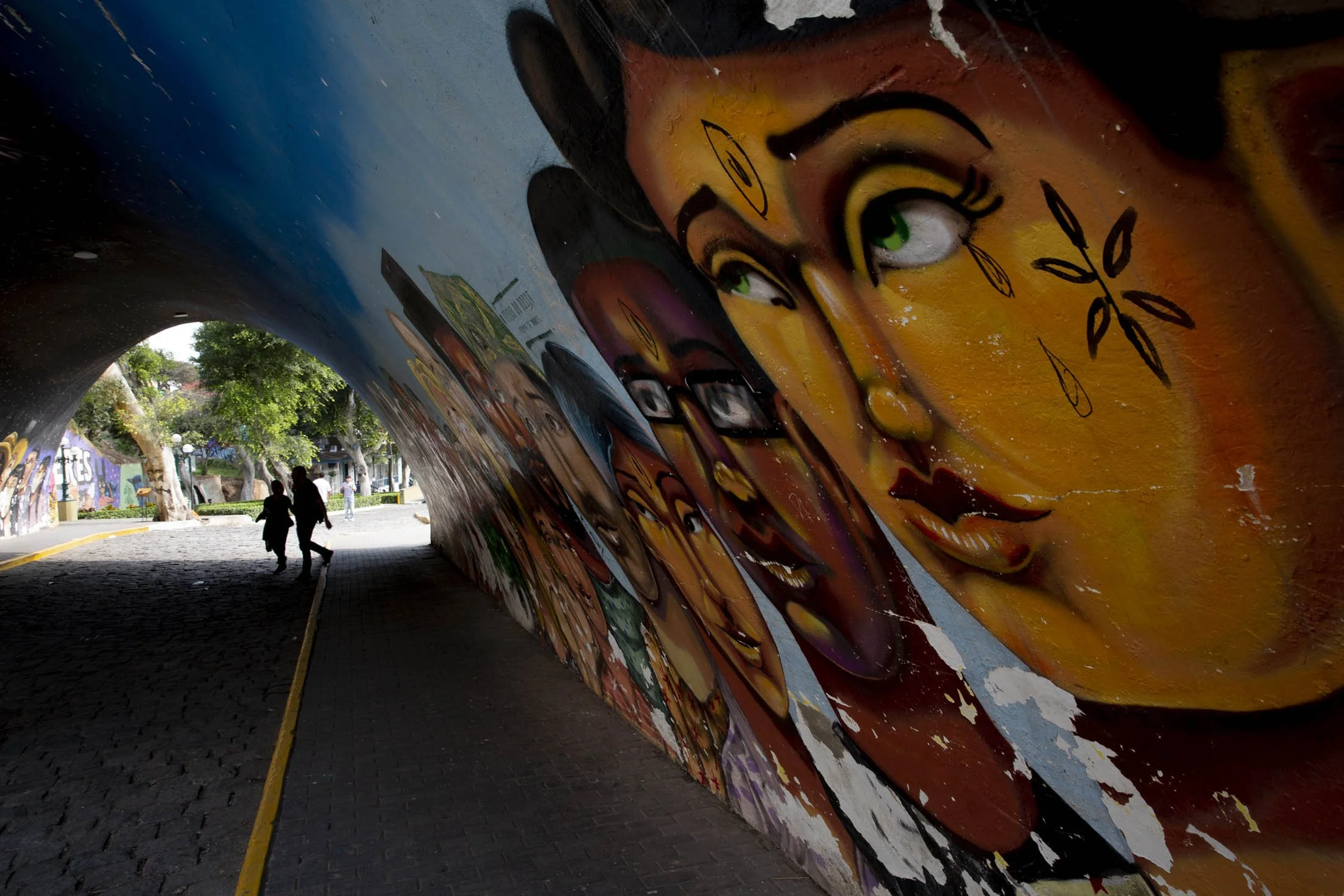
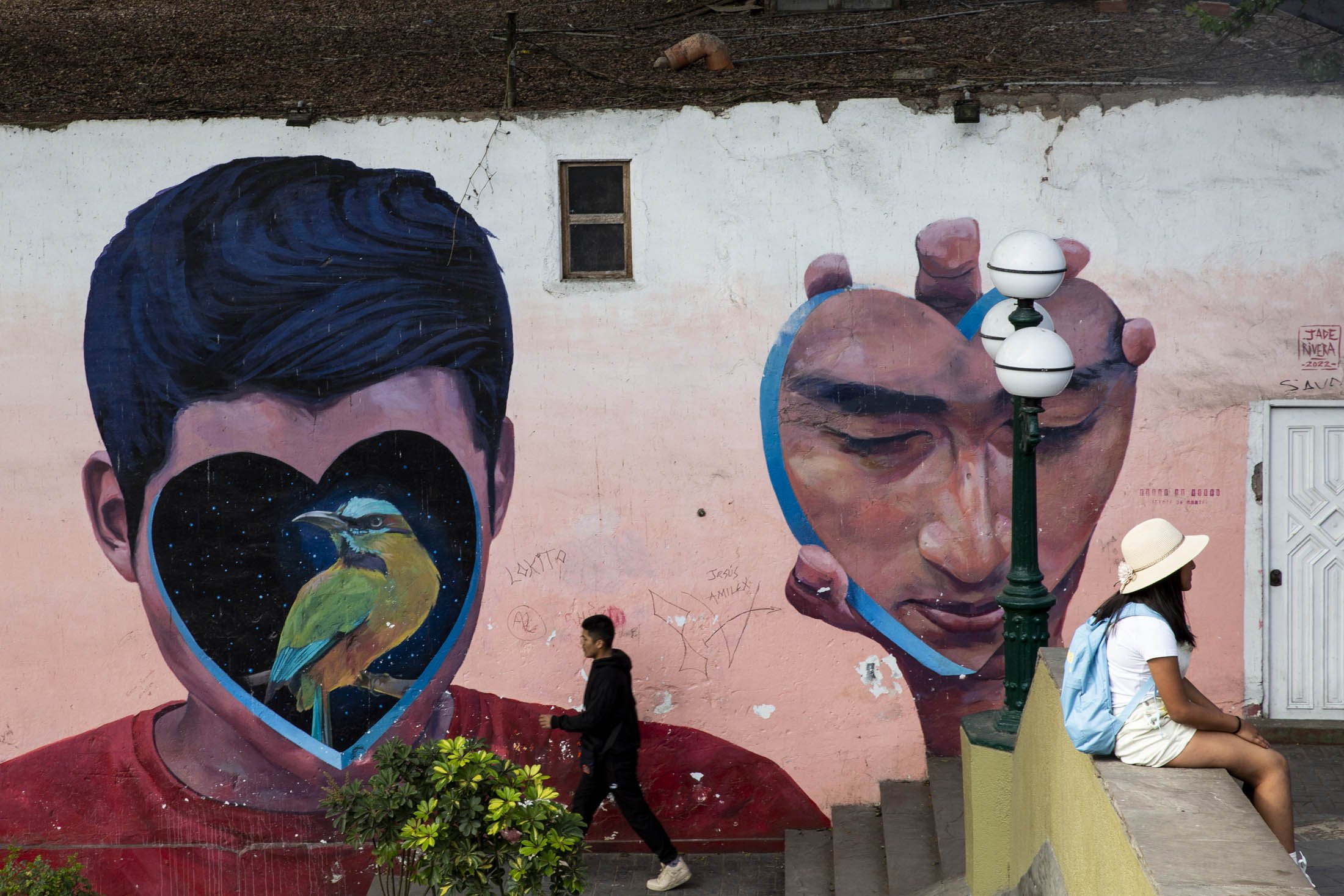
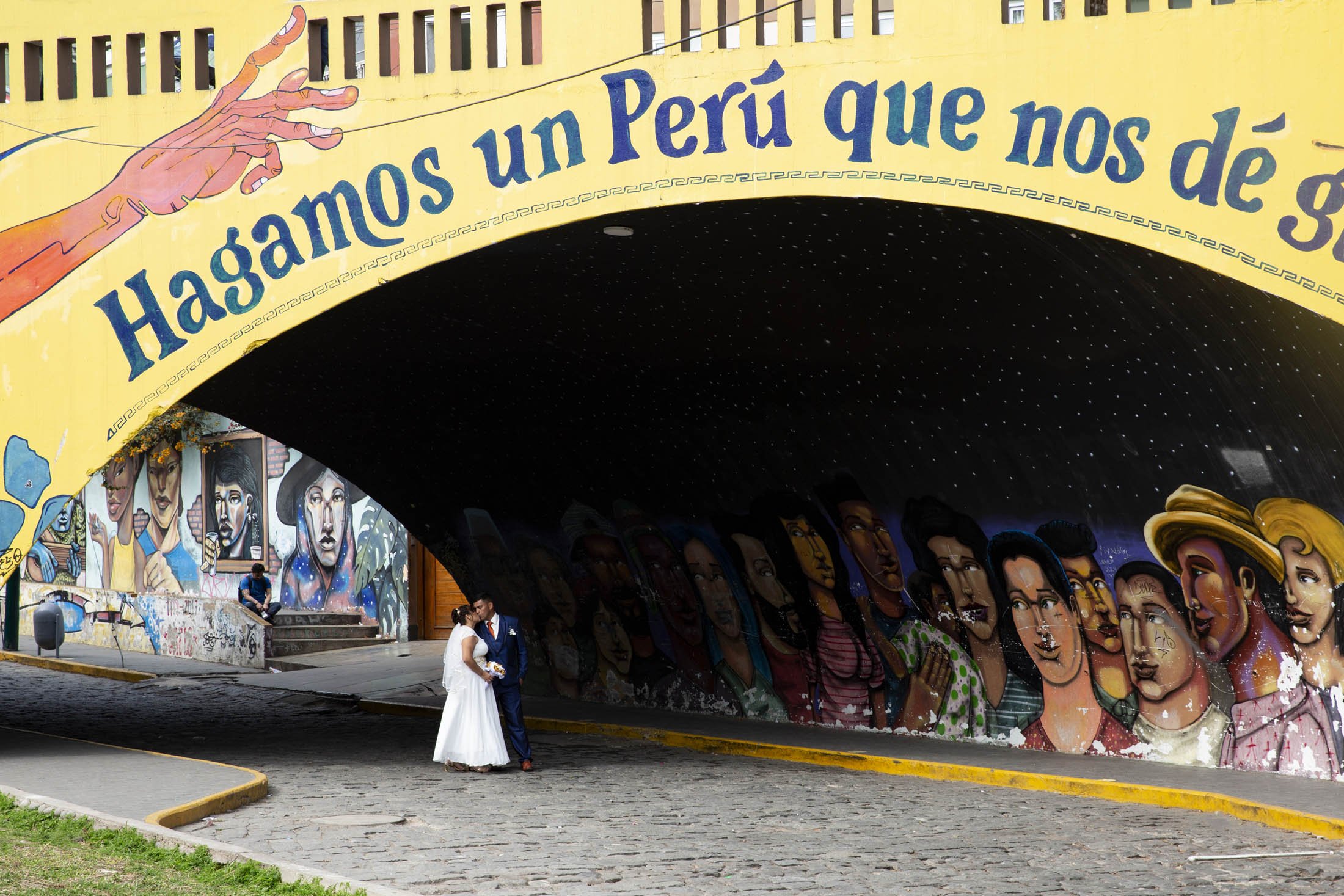
Lima, the capital and largest city in Peru, is located in the central coastal part of the country, overlooking the Pacific Ocean. With a population of almost 10 million, it’s the third largest city in the Americas. Demonstrations are common throughout Peru, people take to the streets including a funeral procession of ex-president Alberto Fujimori 1990-2000, who was convicted of corruption then pardoned, was celebrated in the central downtown city of Lima while I was visiting. The Barranco district, known as the SoHo of Lima, Peru, is situated along the coastal cliffs overlooking the Pacific Ocean, right next to Miraflores, full of renowned art galleries, boutiques that were once colonial mansions of Lima’s elite along with Bohemian street art.
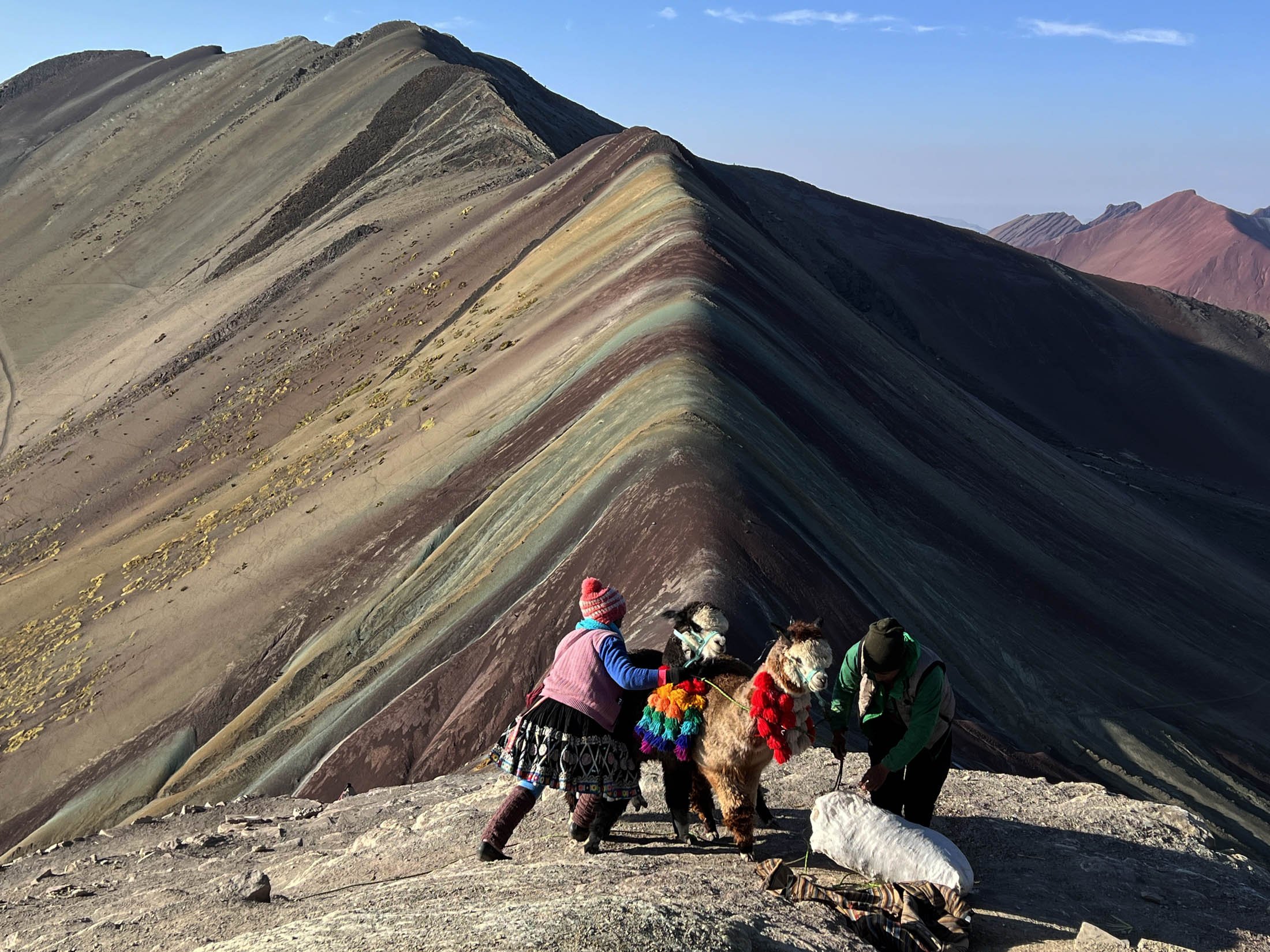
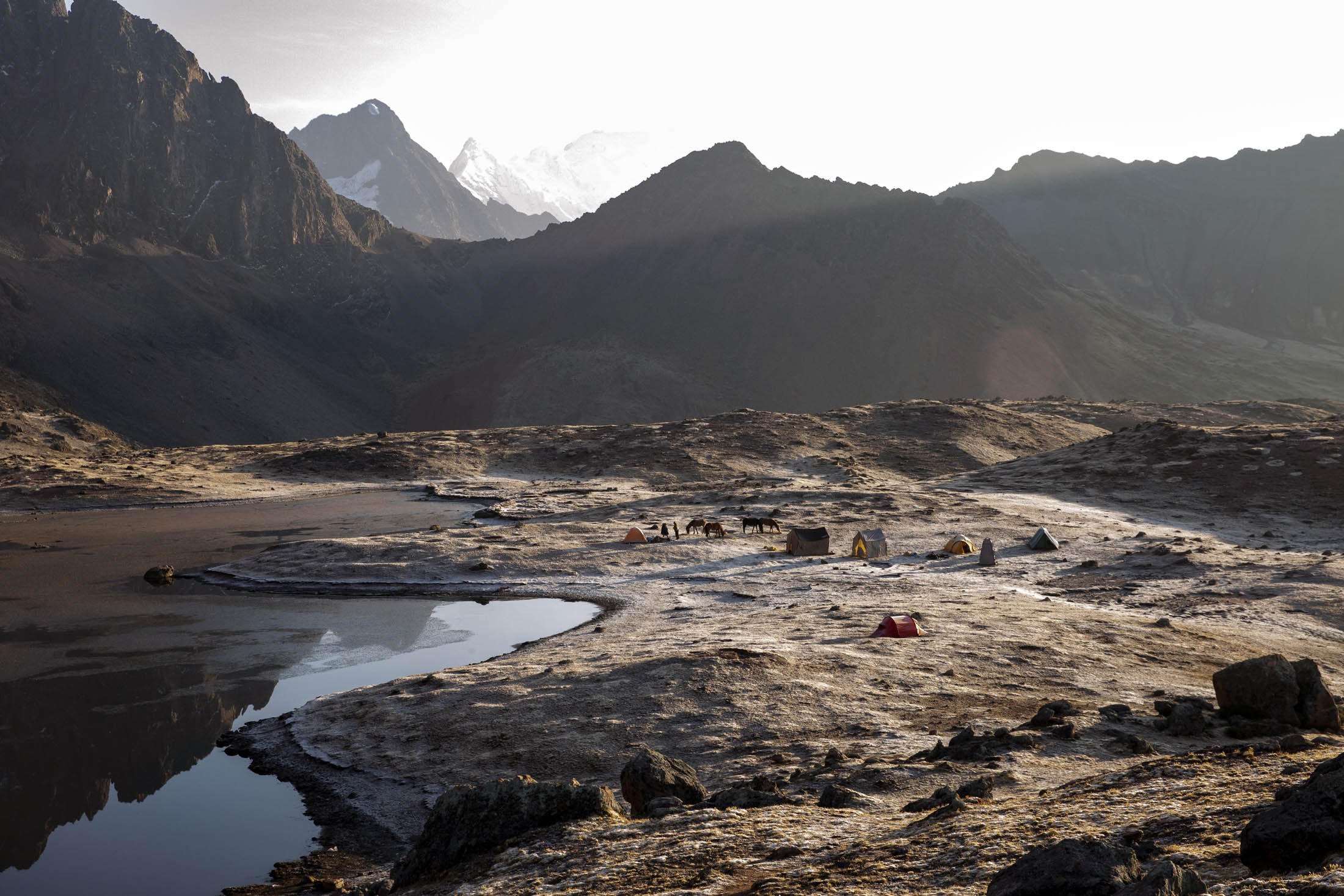
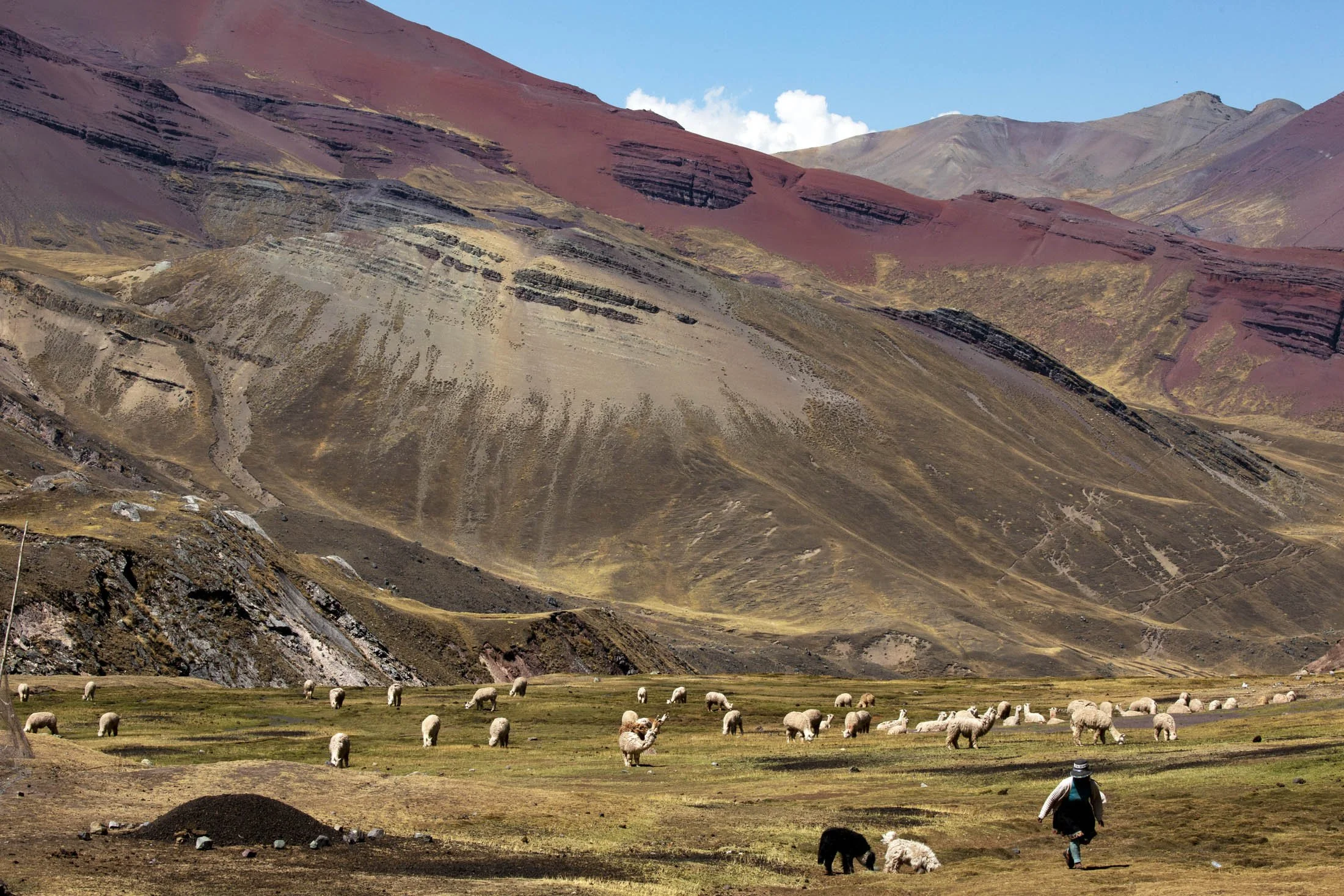
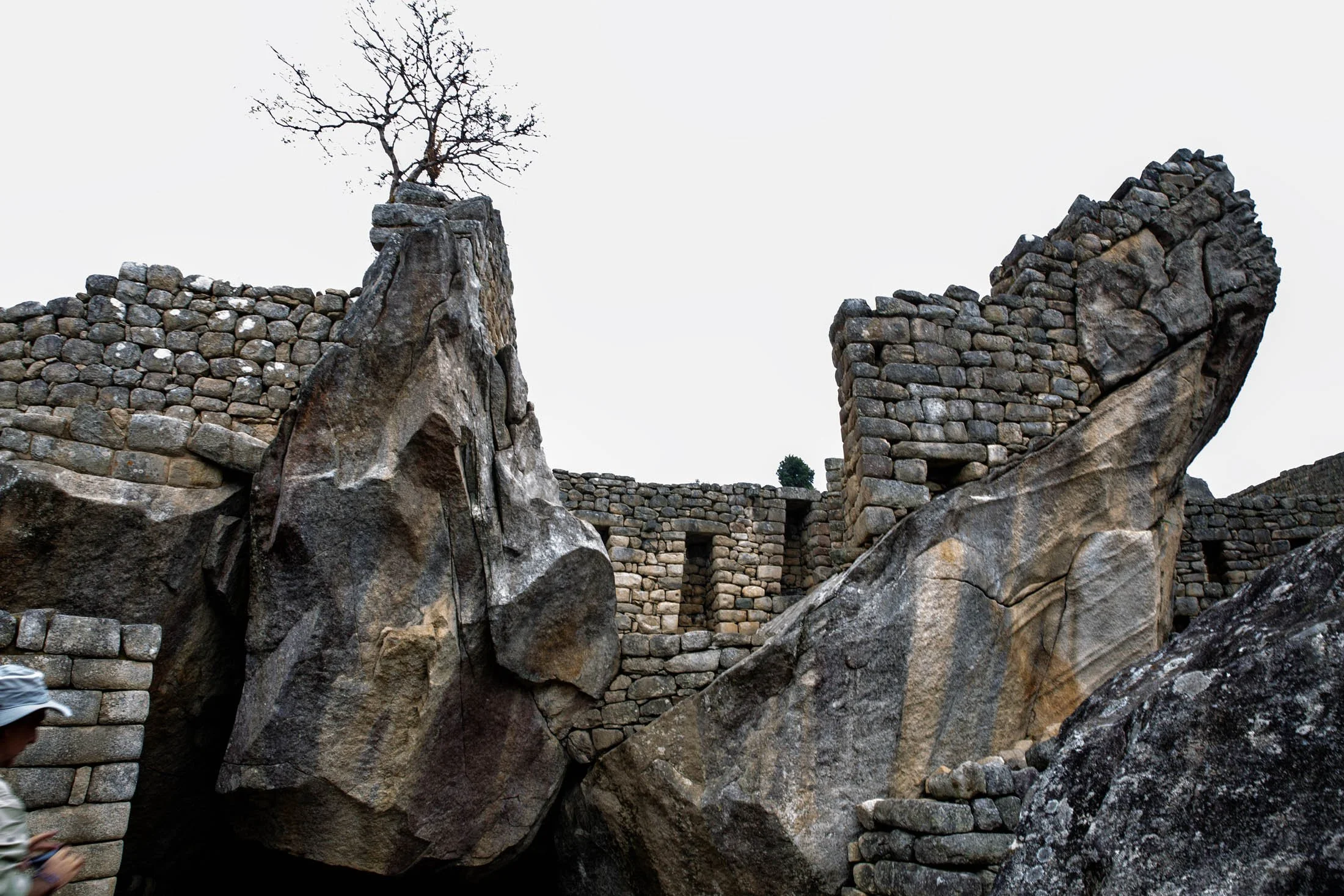
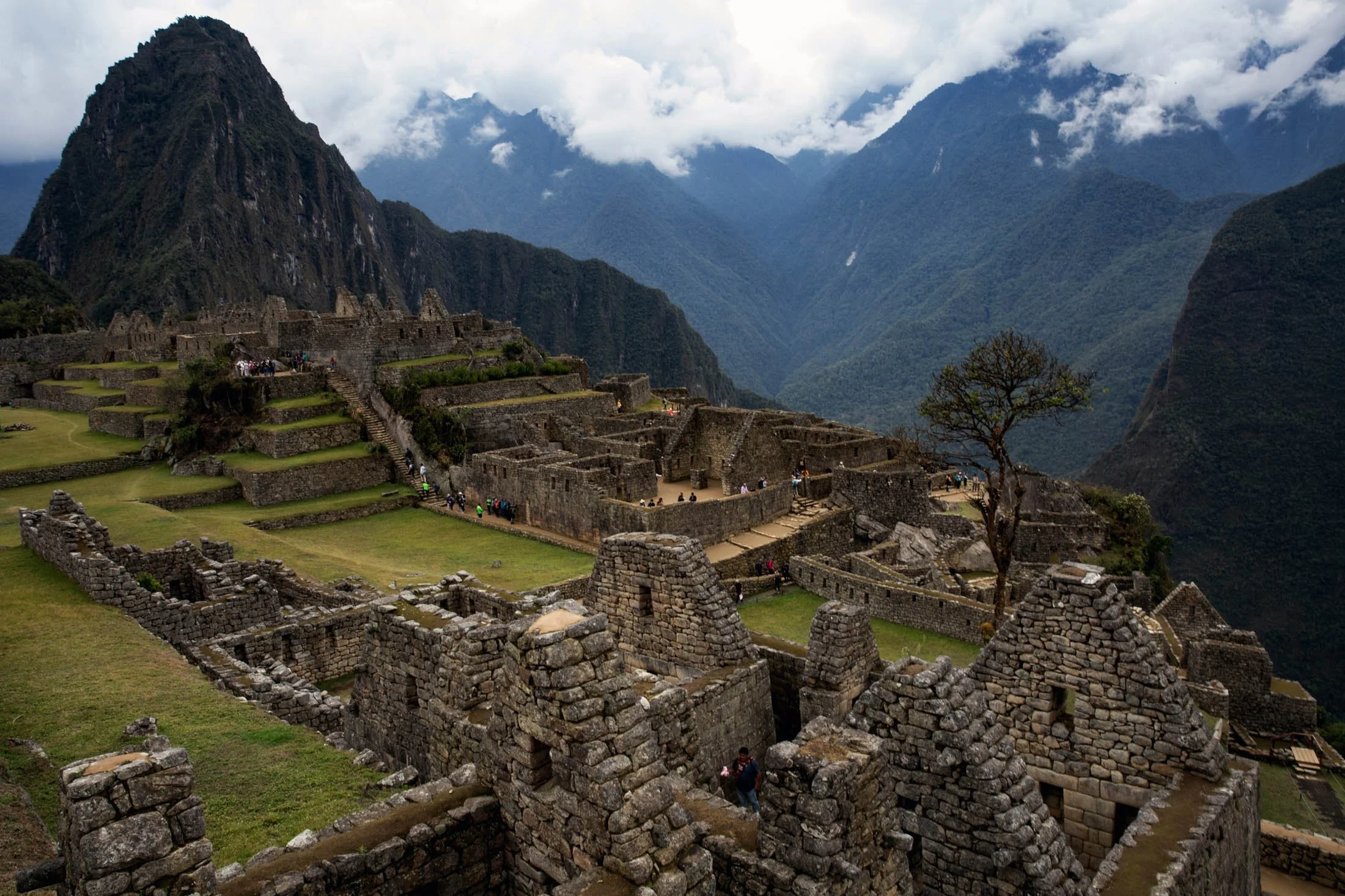
Known for its iconic Machu Picchu, an Incan citadel set high in the Andes Mountains, Peru has so much more to offer to the curious visitor. While Machu Picchu is full of hordes of tourists, hiking Red Valley at 16,000-17,000 feet elevation is peaceful, challenging and exhilarating. The mountain used to be covered by glacier caps, but these melted, and natural formation with stripes of colors in Red Valley, give it the name Rainbow Mountain.
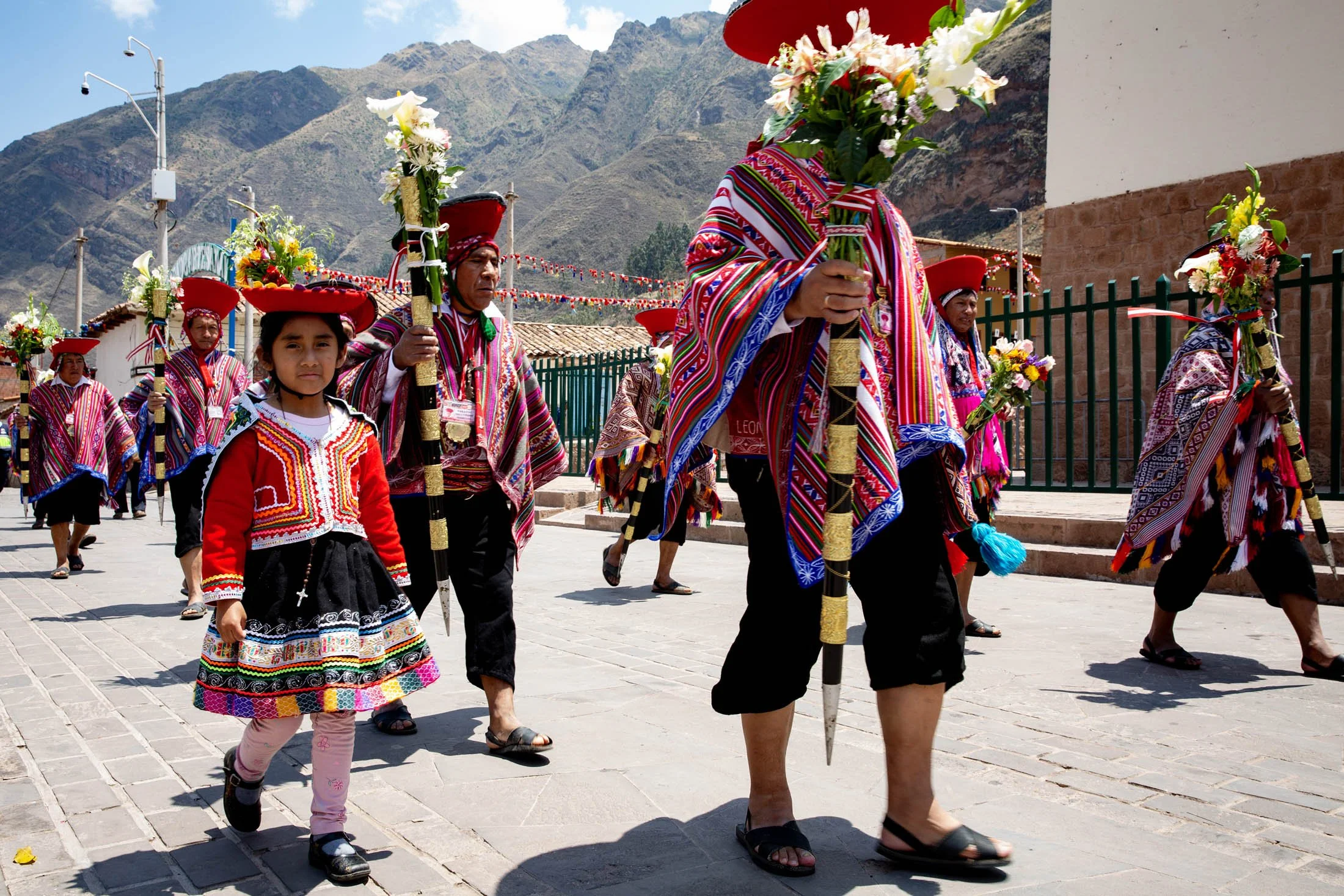
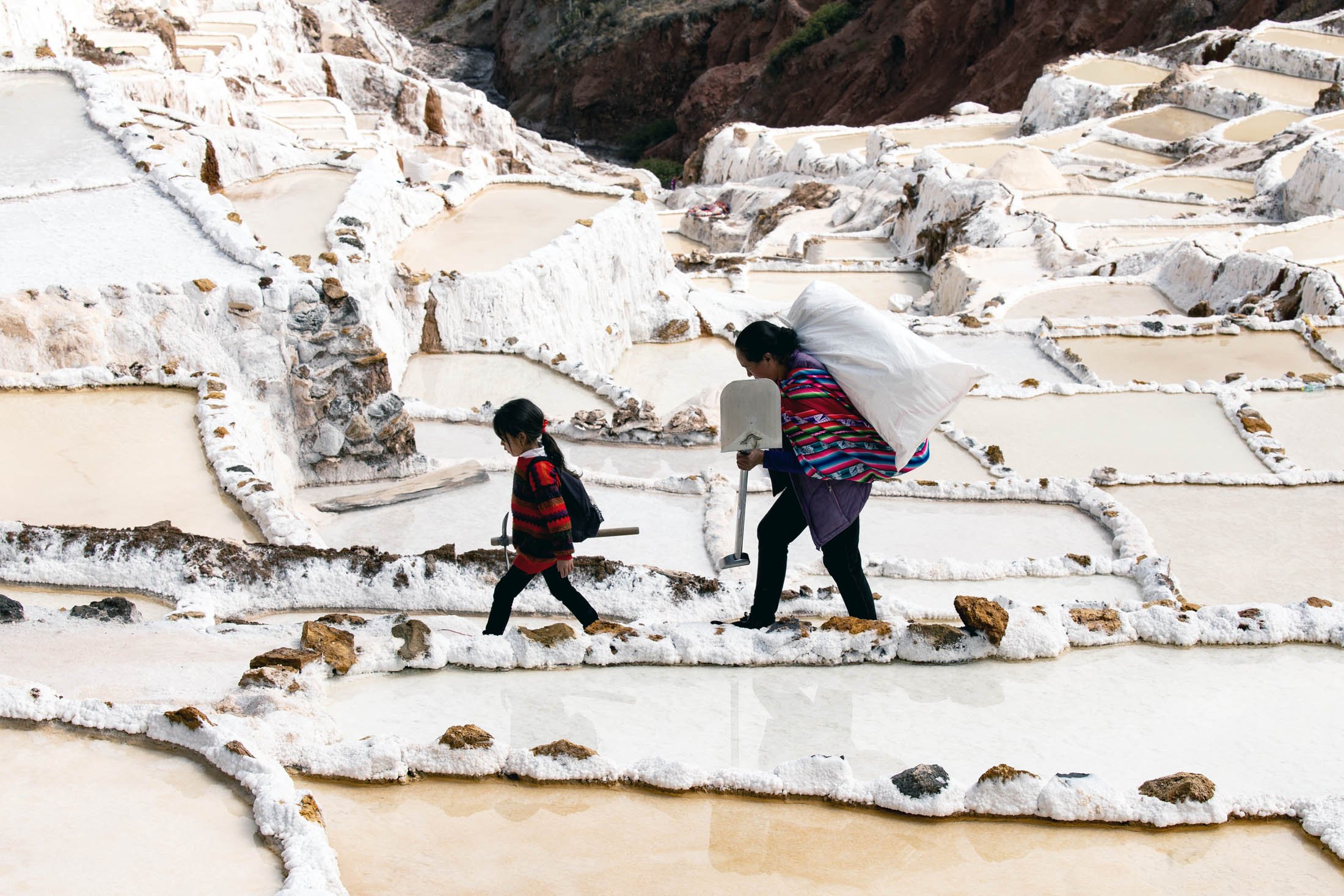
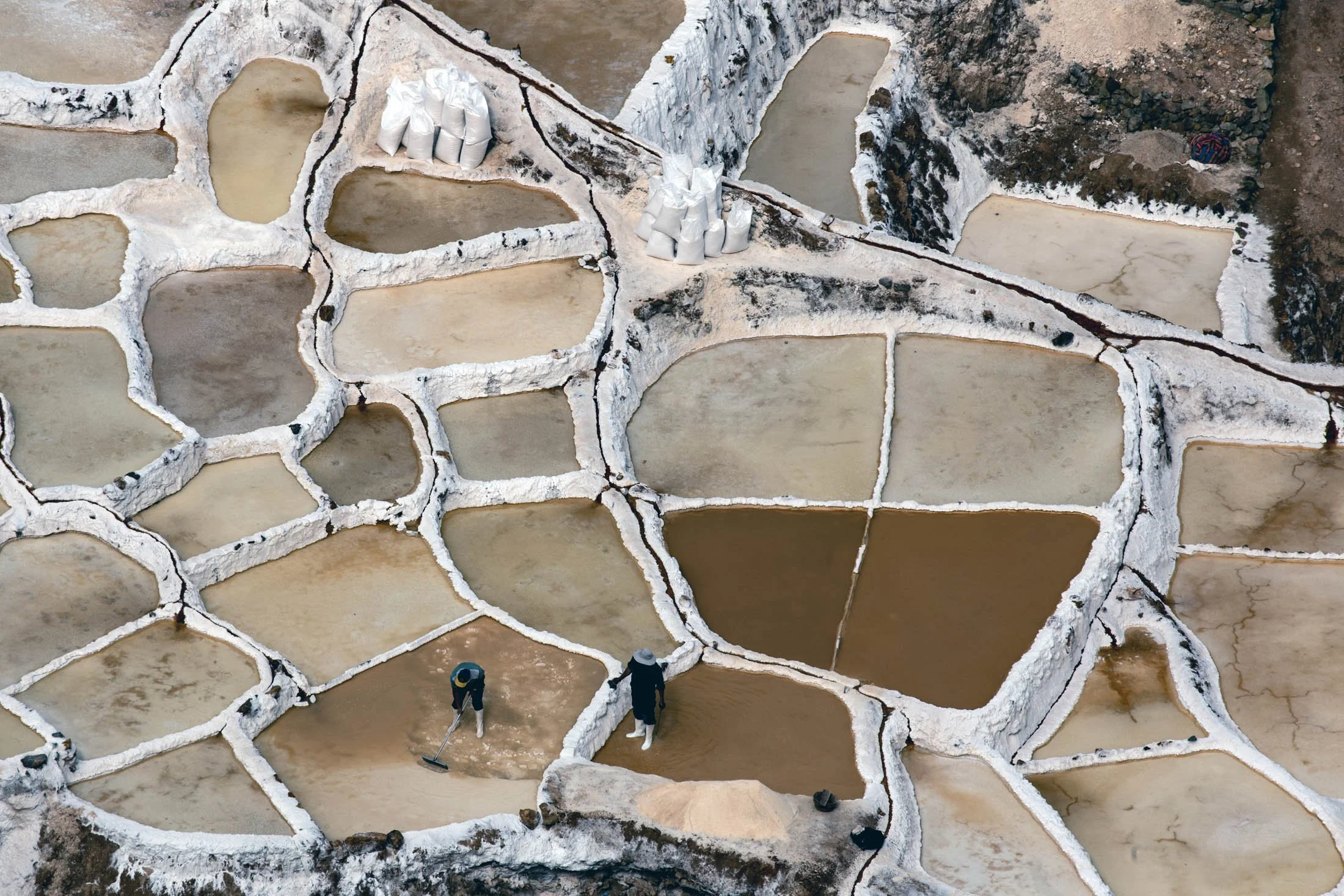
Close to Cusco, is the Sacred Valley, a region in Peru's Andean highlands that formed the heart of the Inca Empire. Stretching roughly 60 kilometers, it’s an area of fertile farmland and Spanish colonial villages such, as Ollantaytambo, Moray, Maras Salt Flats, Chinchero, and Urubamba and includes Pisac, all interesting charming towns to explore.
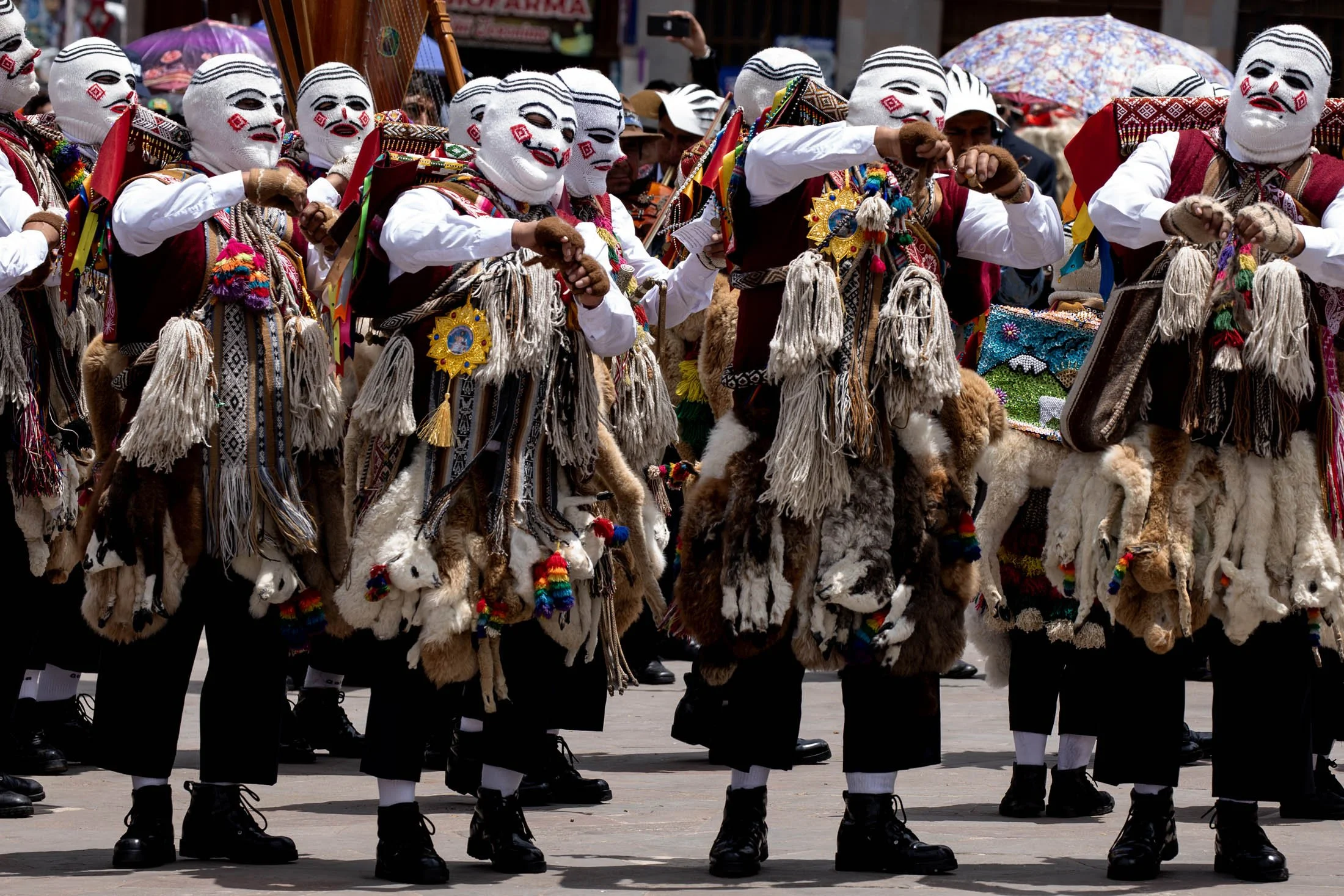
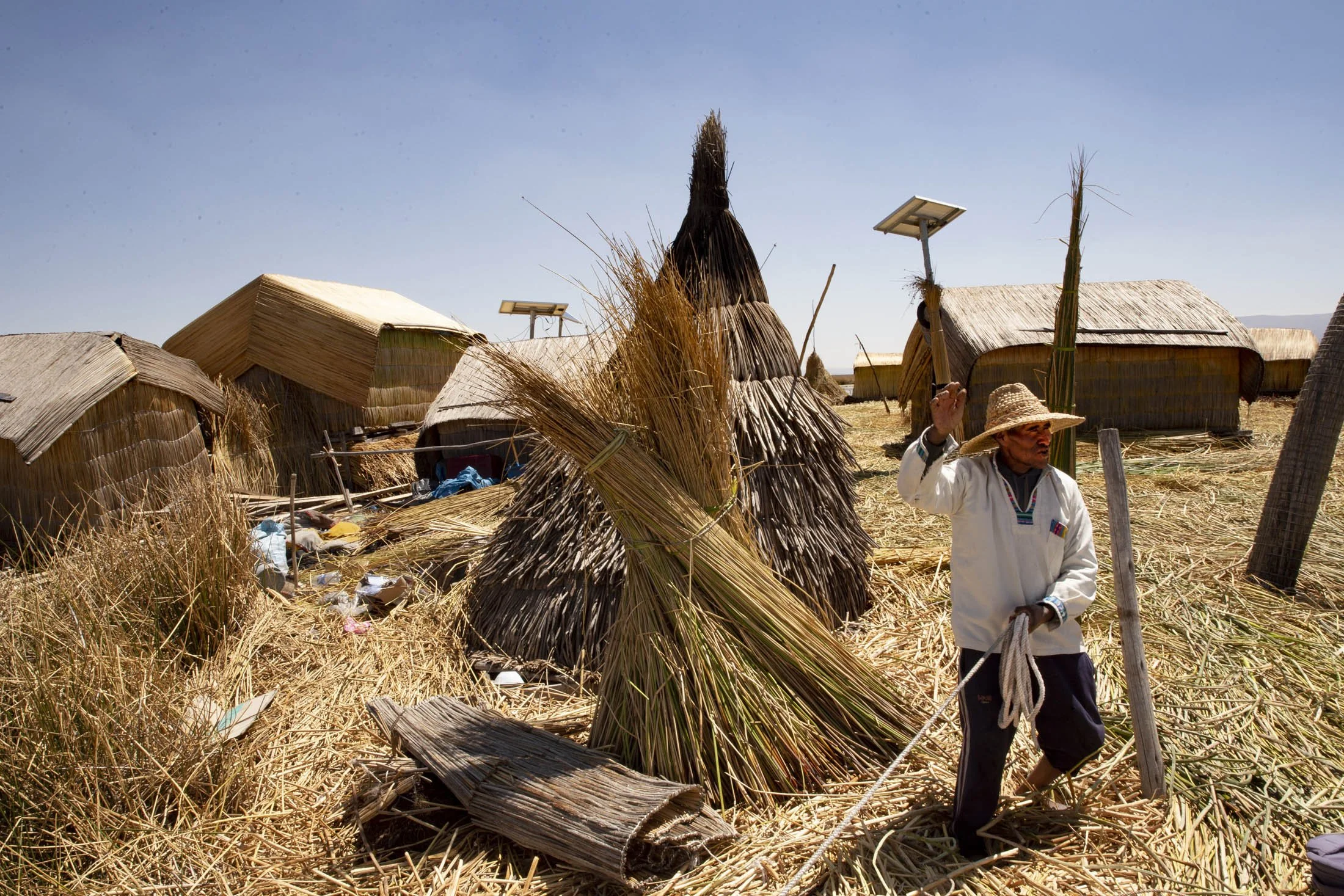
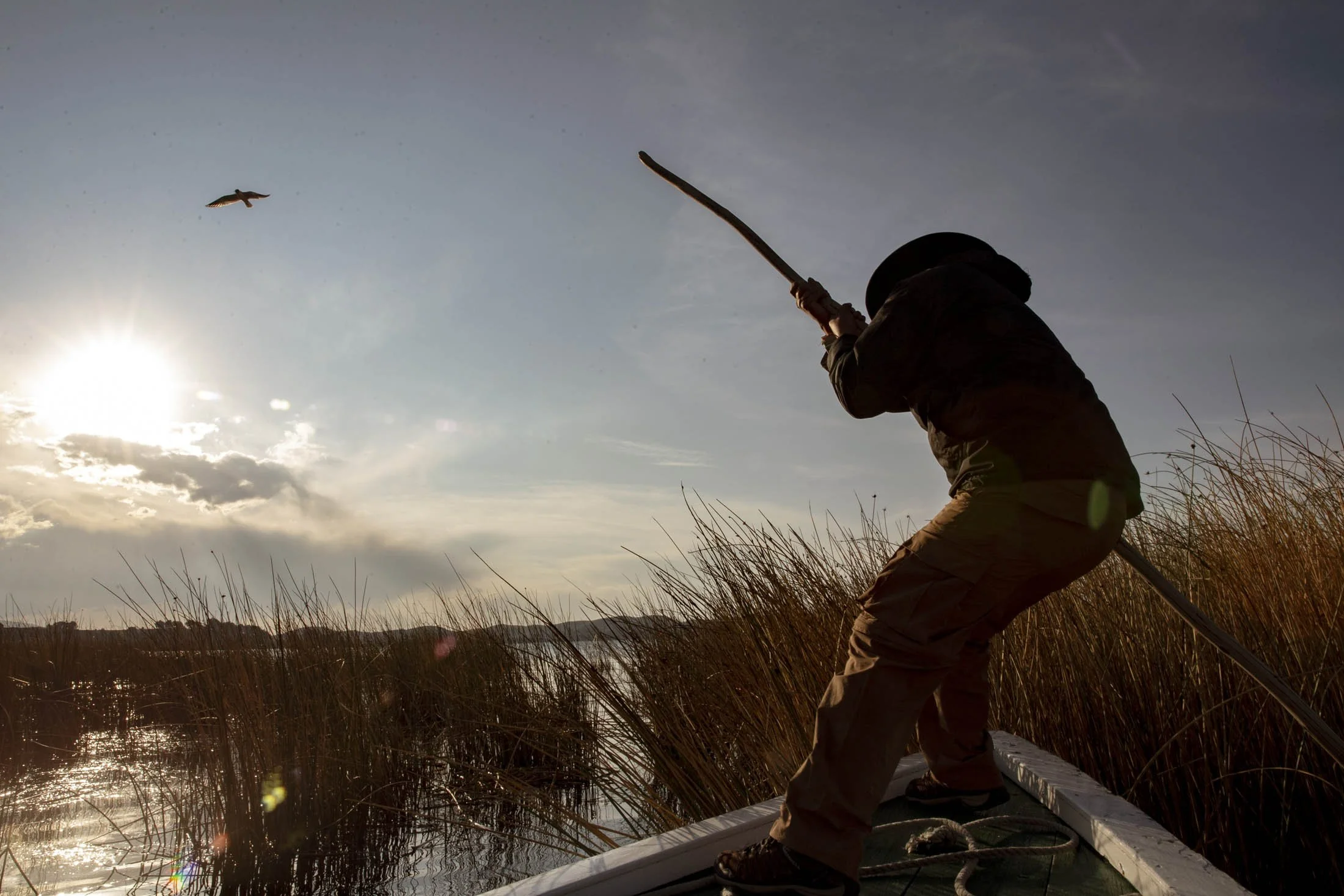
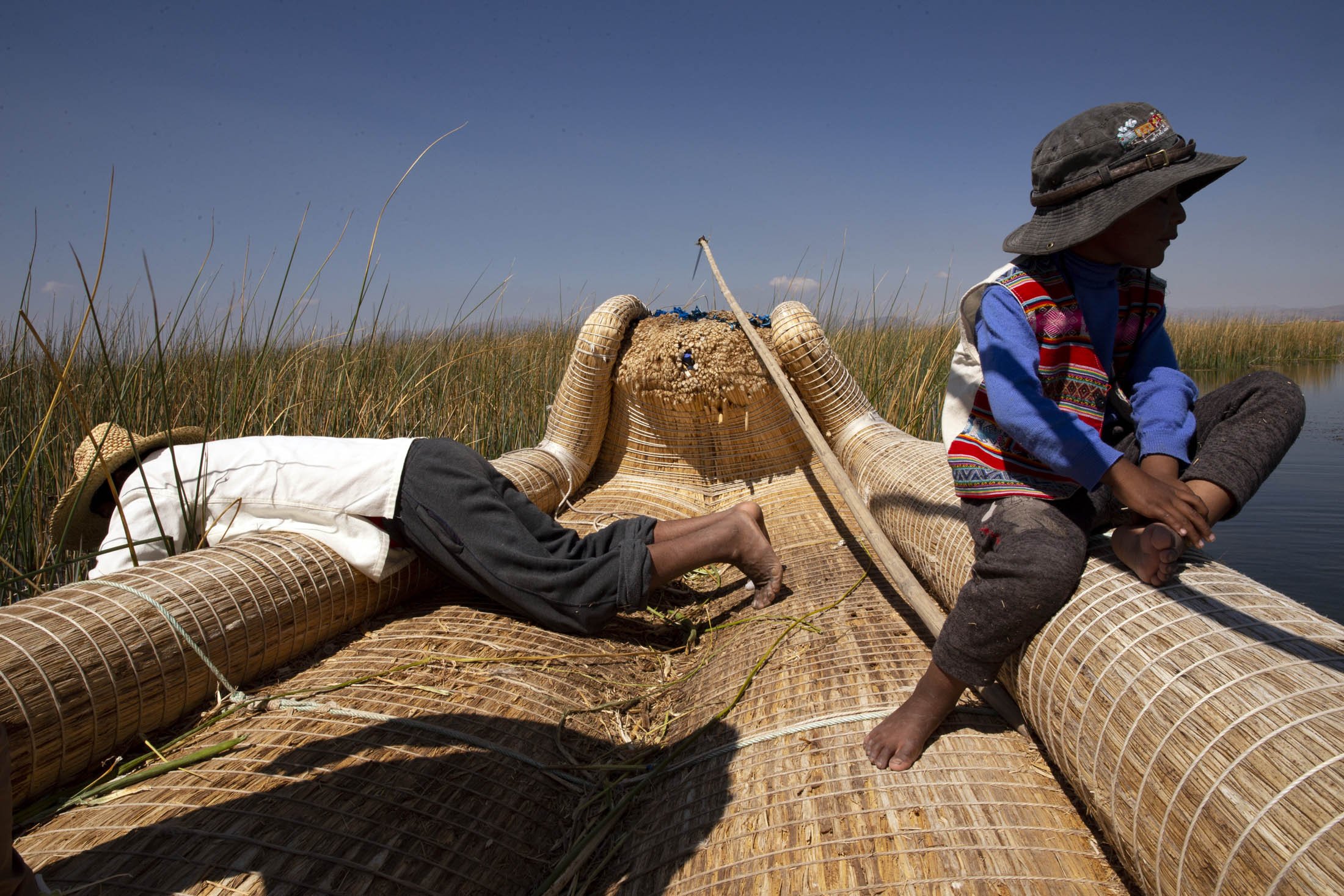
Lake Titicaca, straddling the border between Peru and Bolivia in the Andes Mountains, is one of South America's largest lakes and the world’s highest, navigable body of water at 12,500 feet in elevation. Titicaca is one of less than twenty ancient lakes on earth, and is thought to be three million years old. The Uru inhabitants of the lake and the Taquilenos’ textile art have been influenced by the ancient Paracas, Nazca, Wari and the Collas from the pre-Hispanic Peruvian Andean highlands.
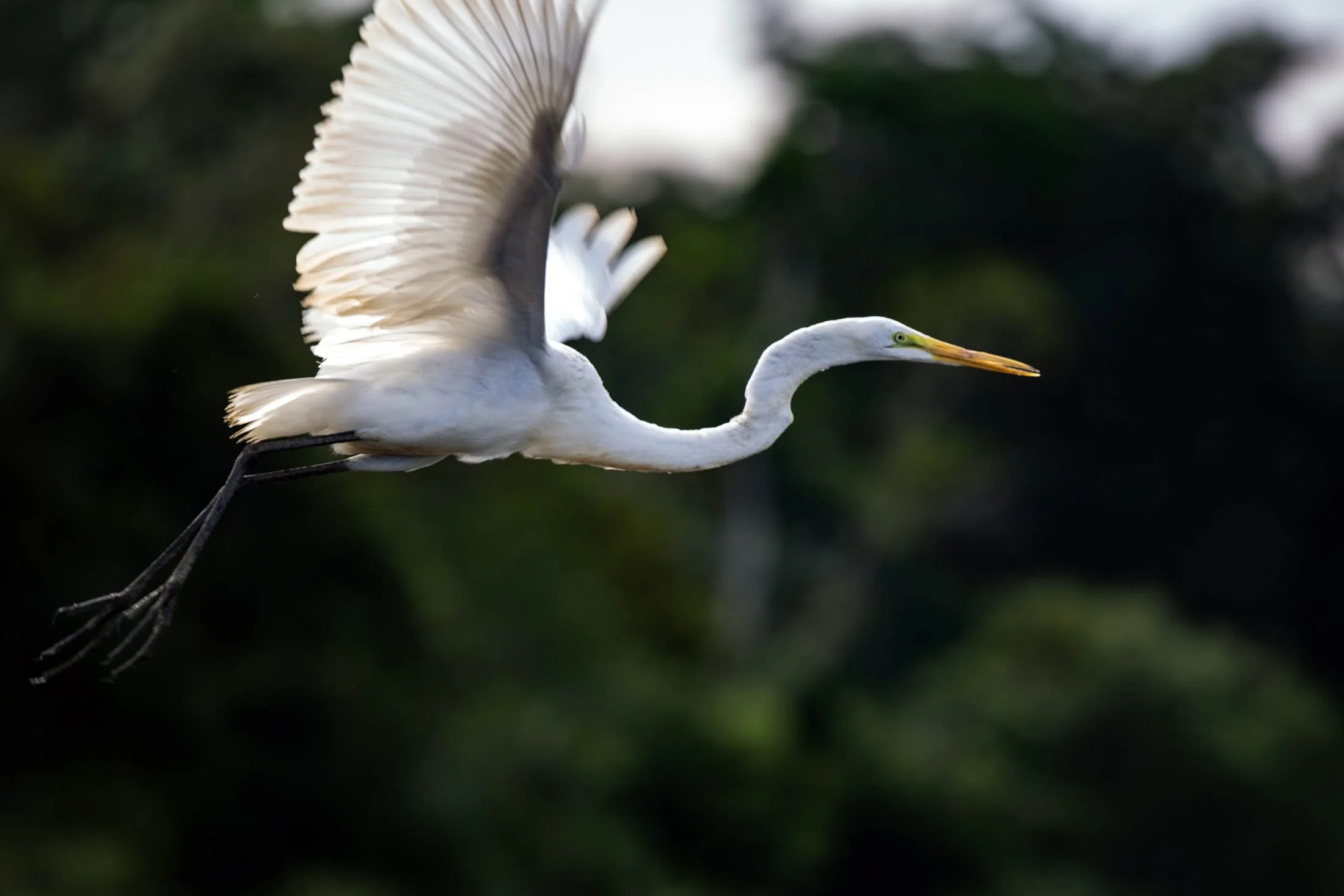
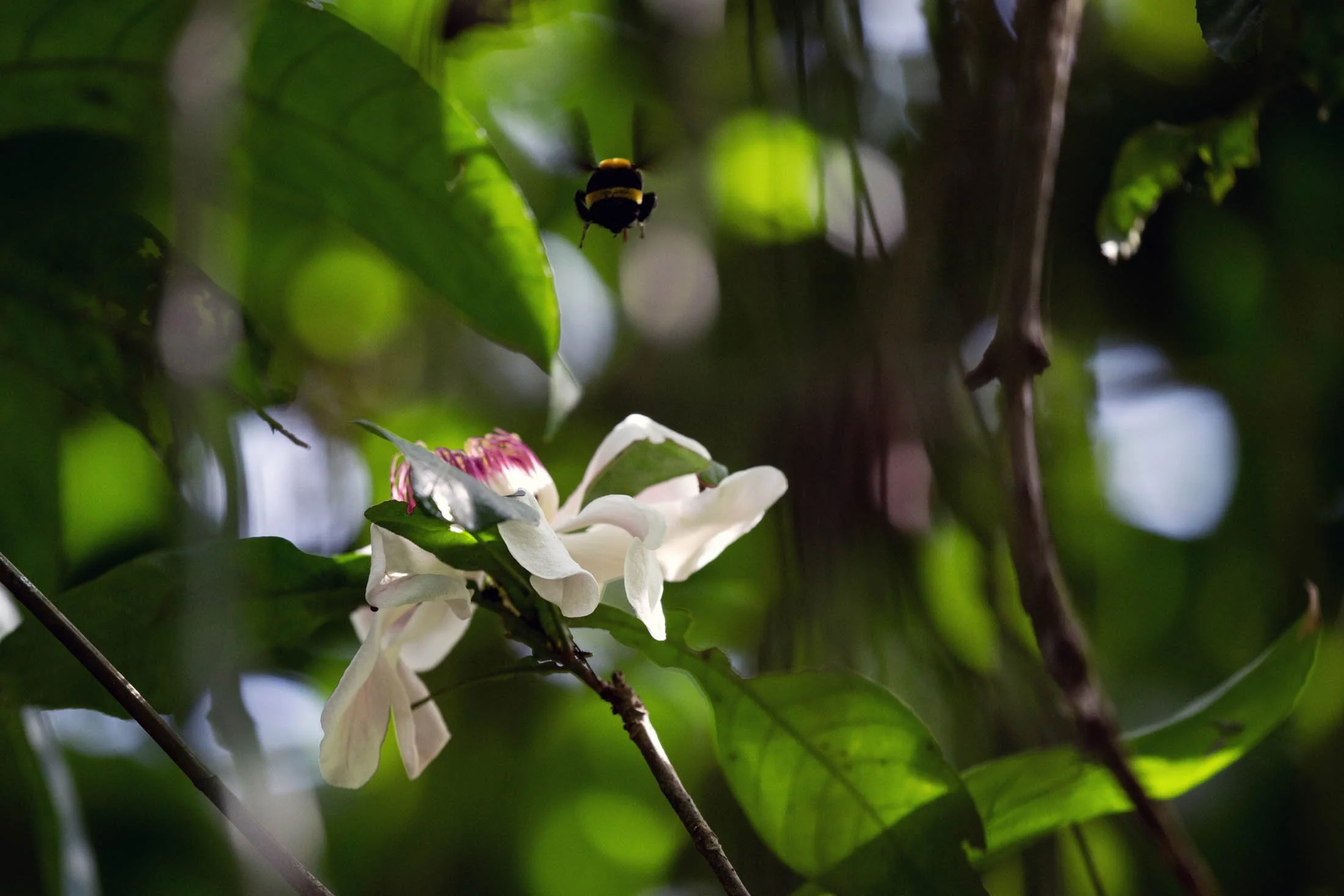
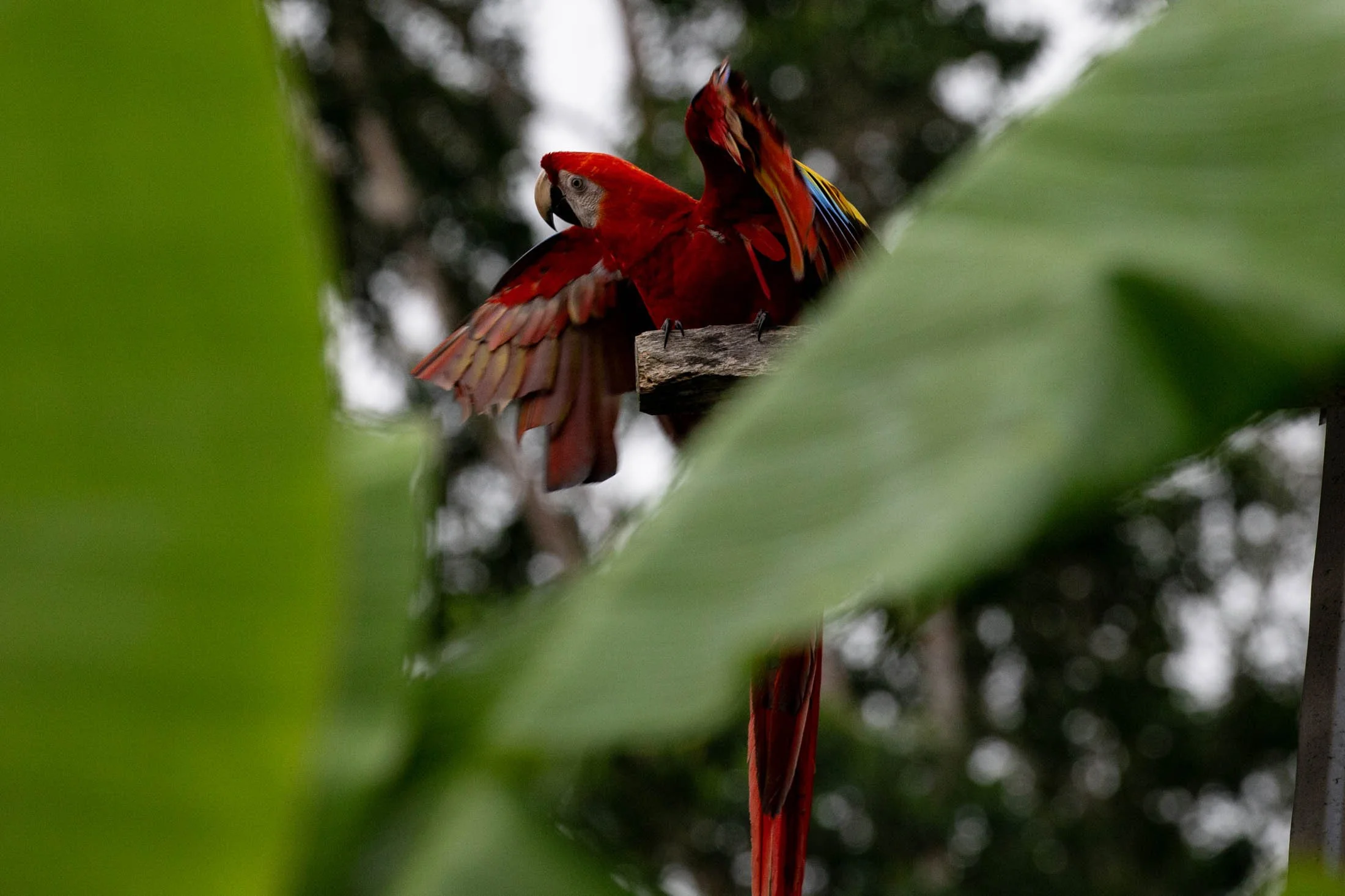
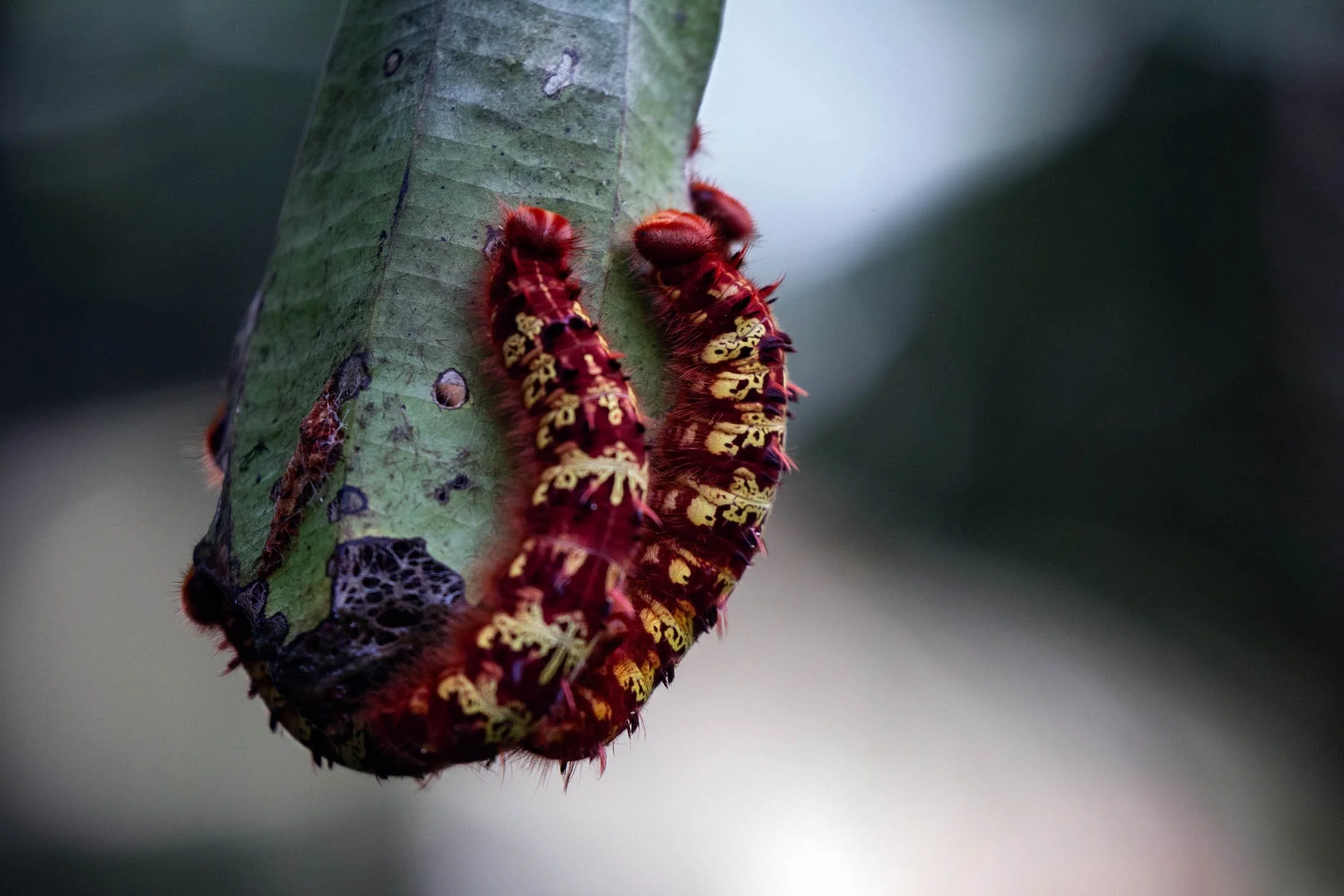
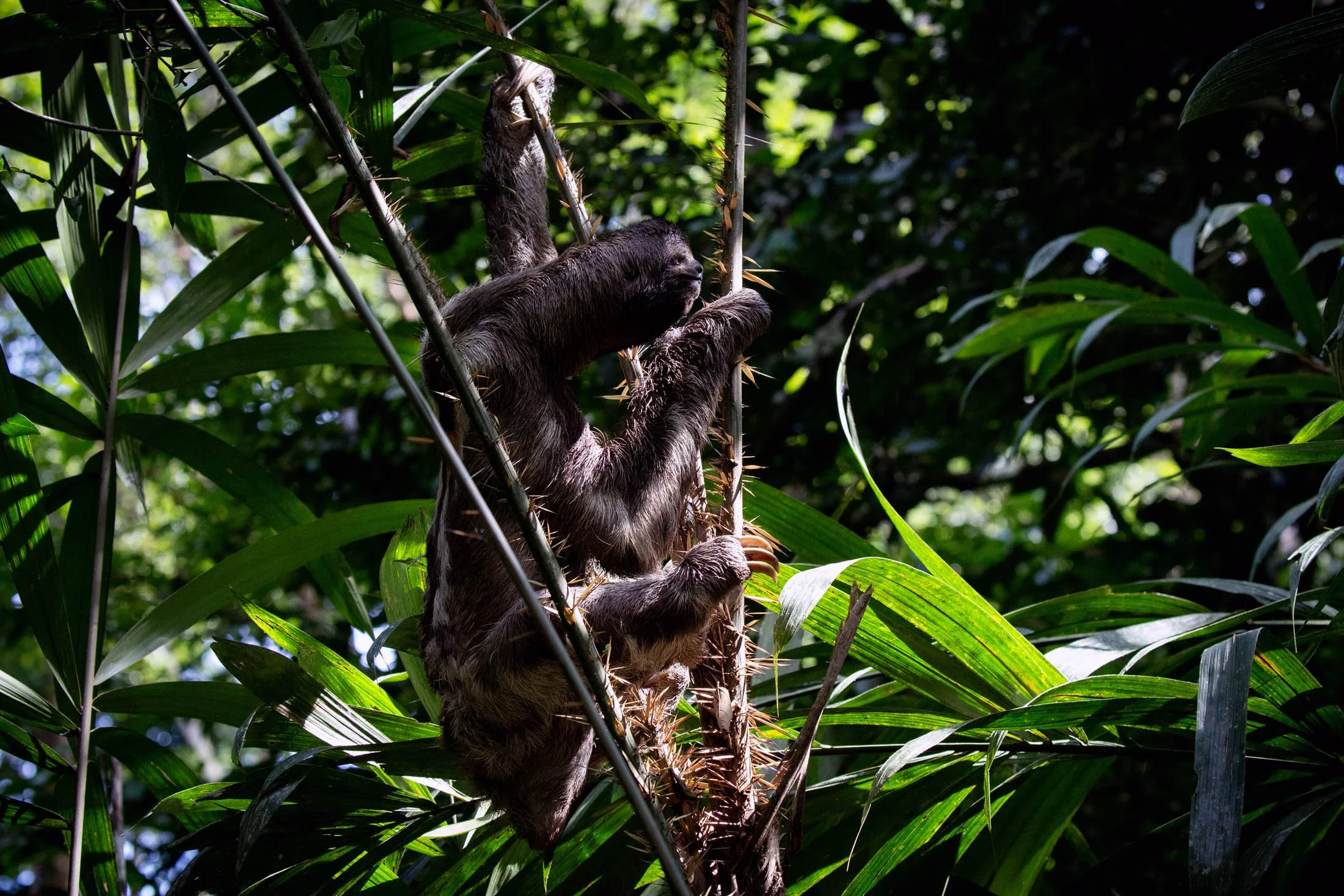
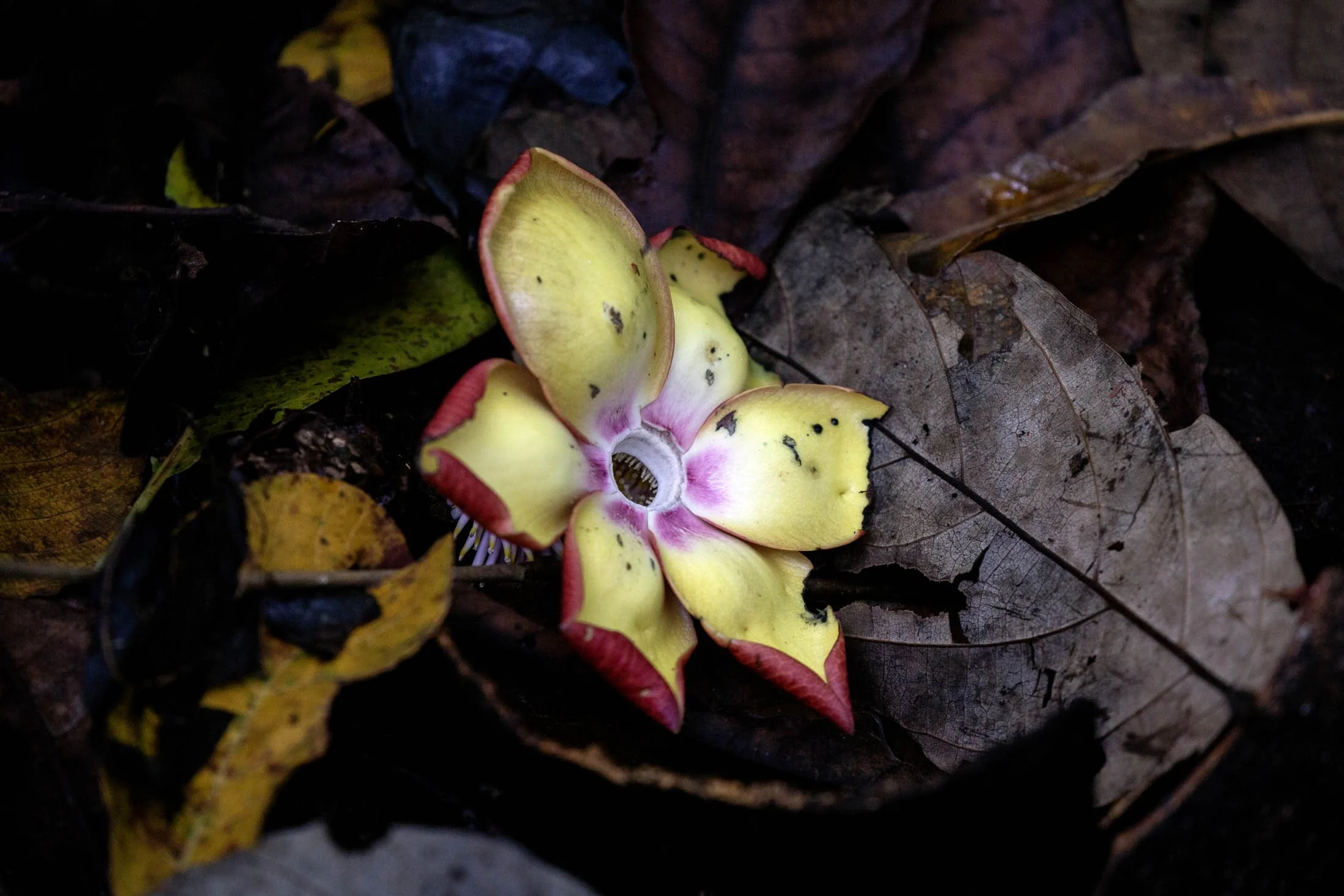
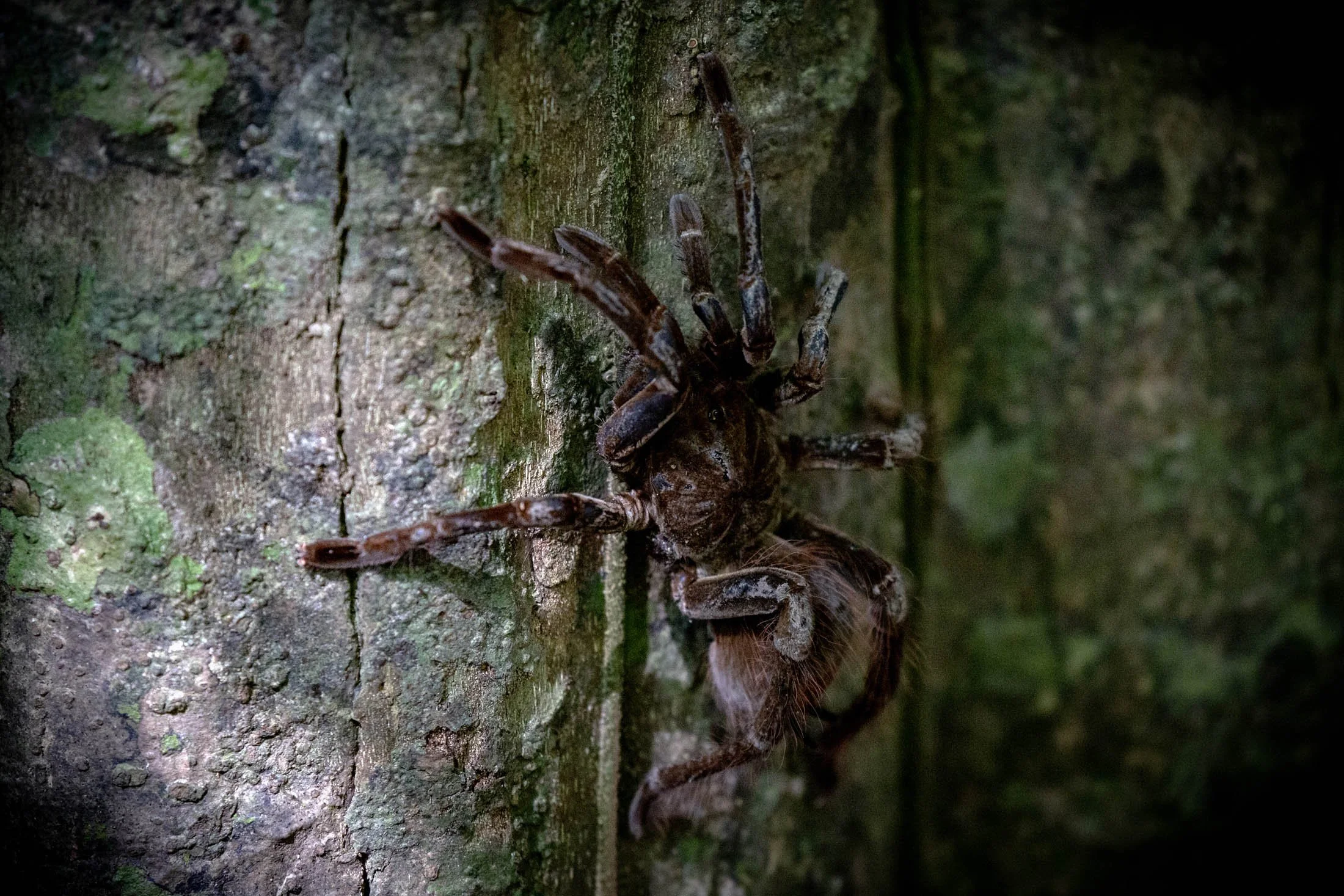
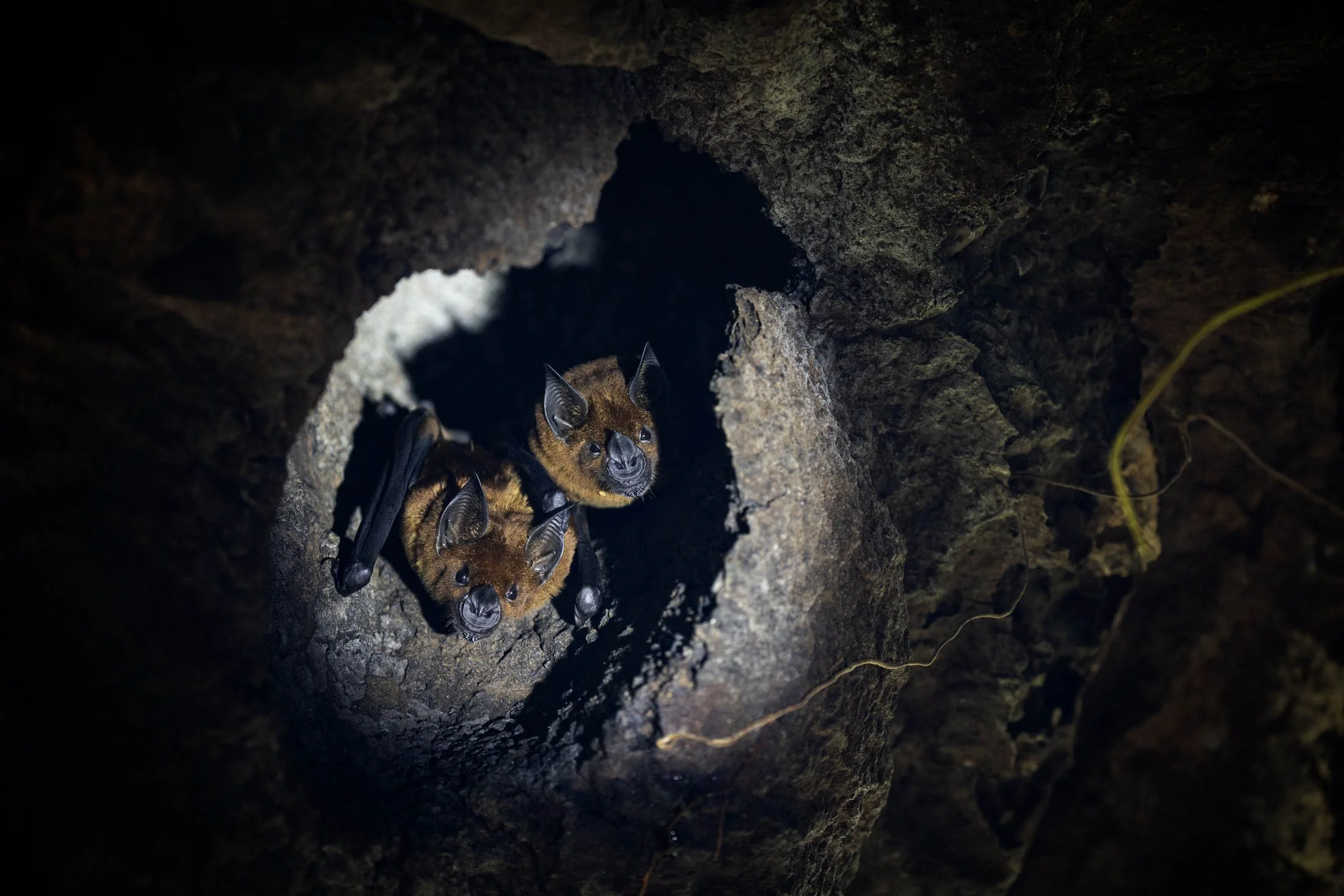
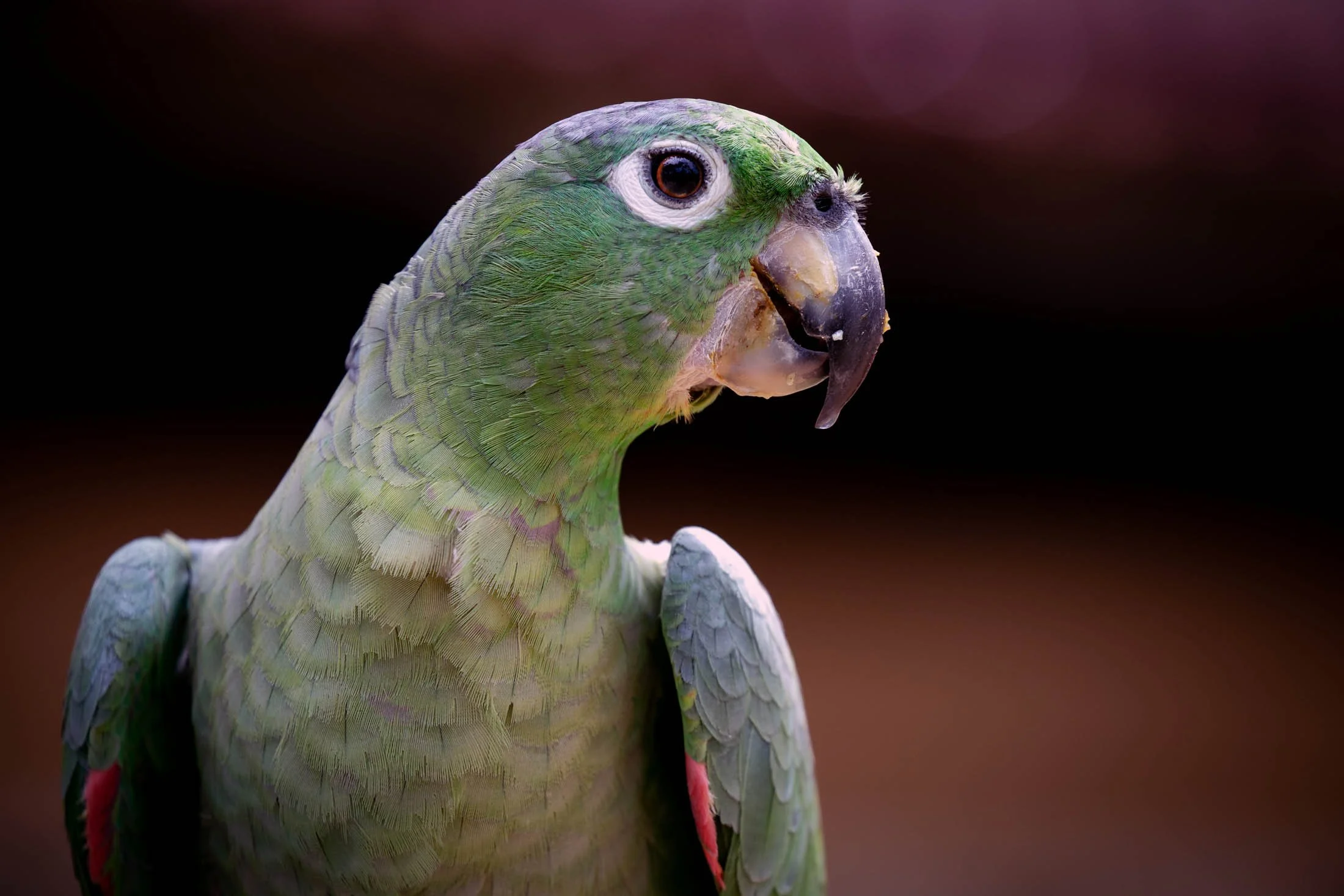
The diversity of Peru continues, spanning nine countries in South America, and the Amazon Rainforest is waiting to be explored. This is the birthplace of the Amazon River, where the Ucayali and Marañon tributaries converge. Navigate through the region’s black water lagoons, and see rare and endemic wildlife including pink dolphins, spider monkeys, caiman, sloths, anacondas, and several species of birds.
Documentary Travel Photography: Gail Fisher