The Wonders of Burma (Myanmar)
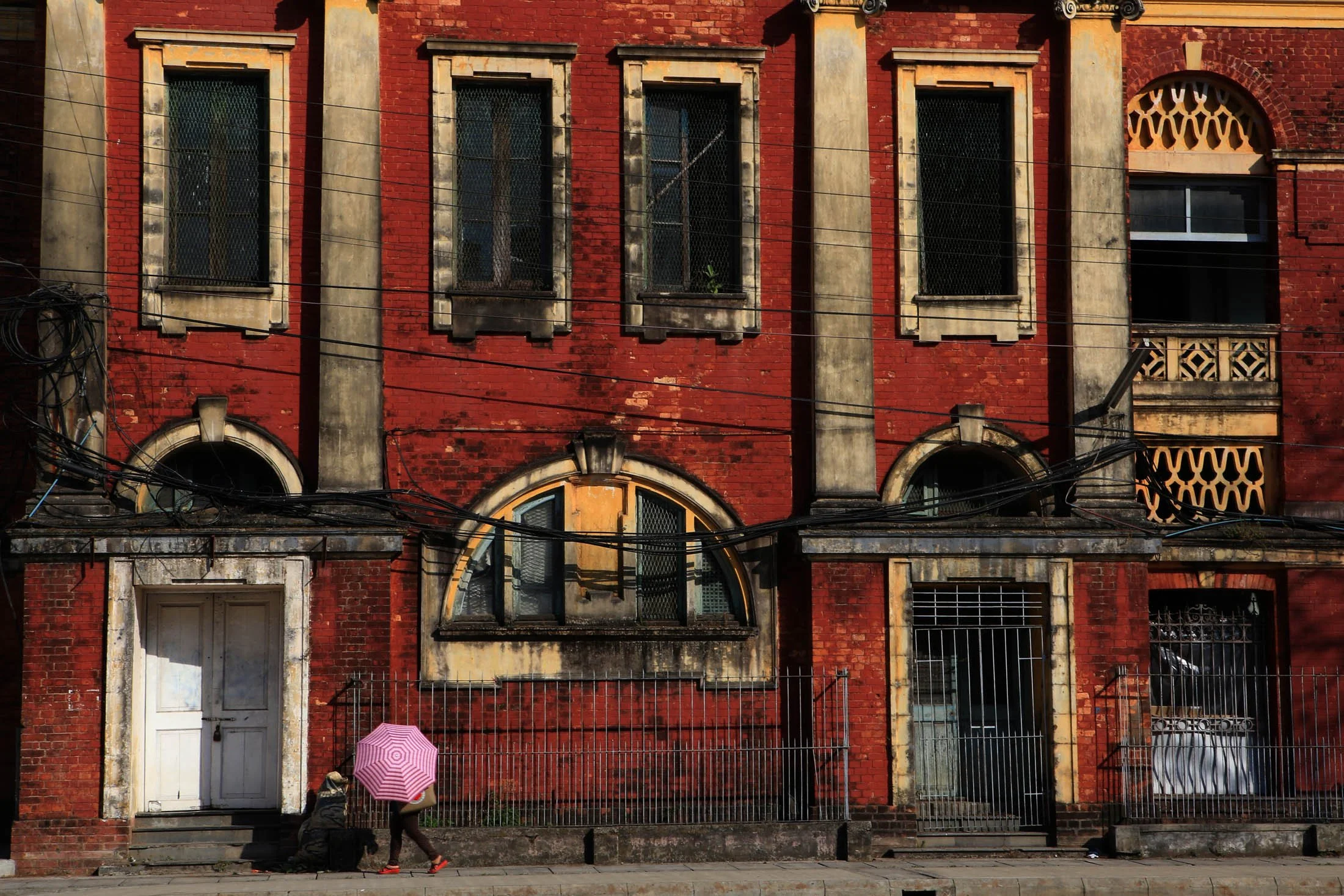
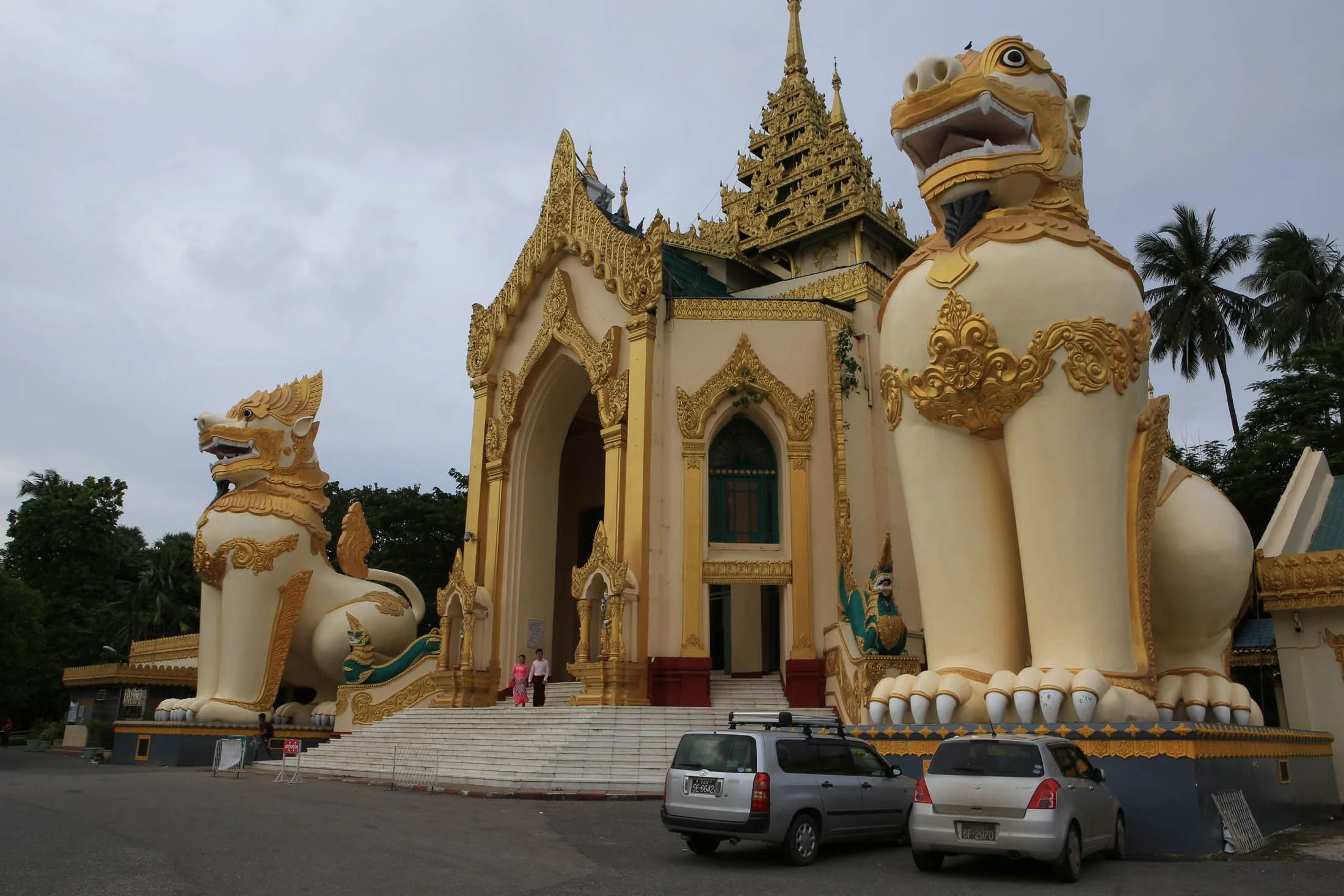
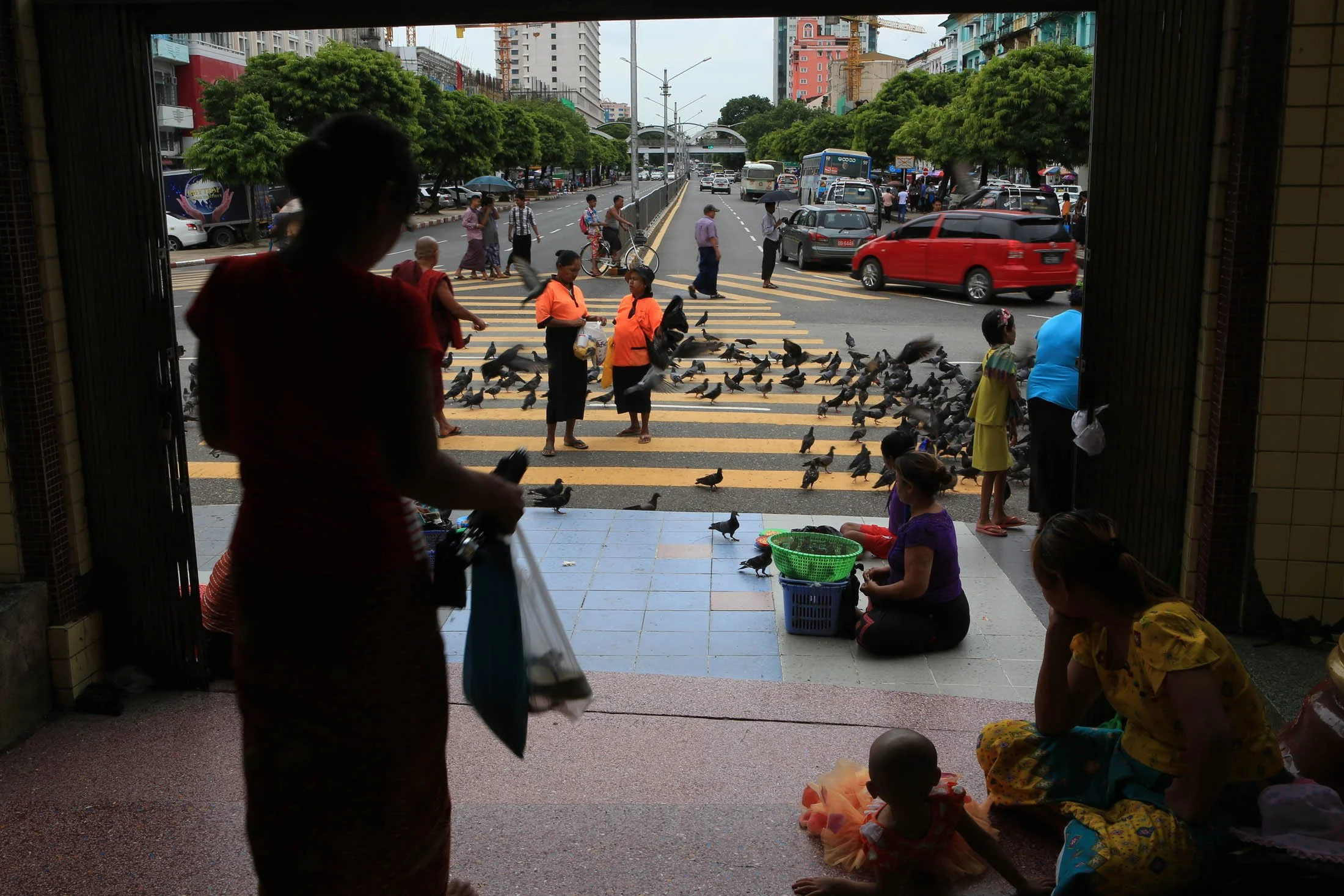
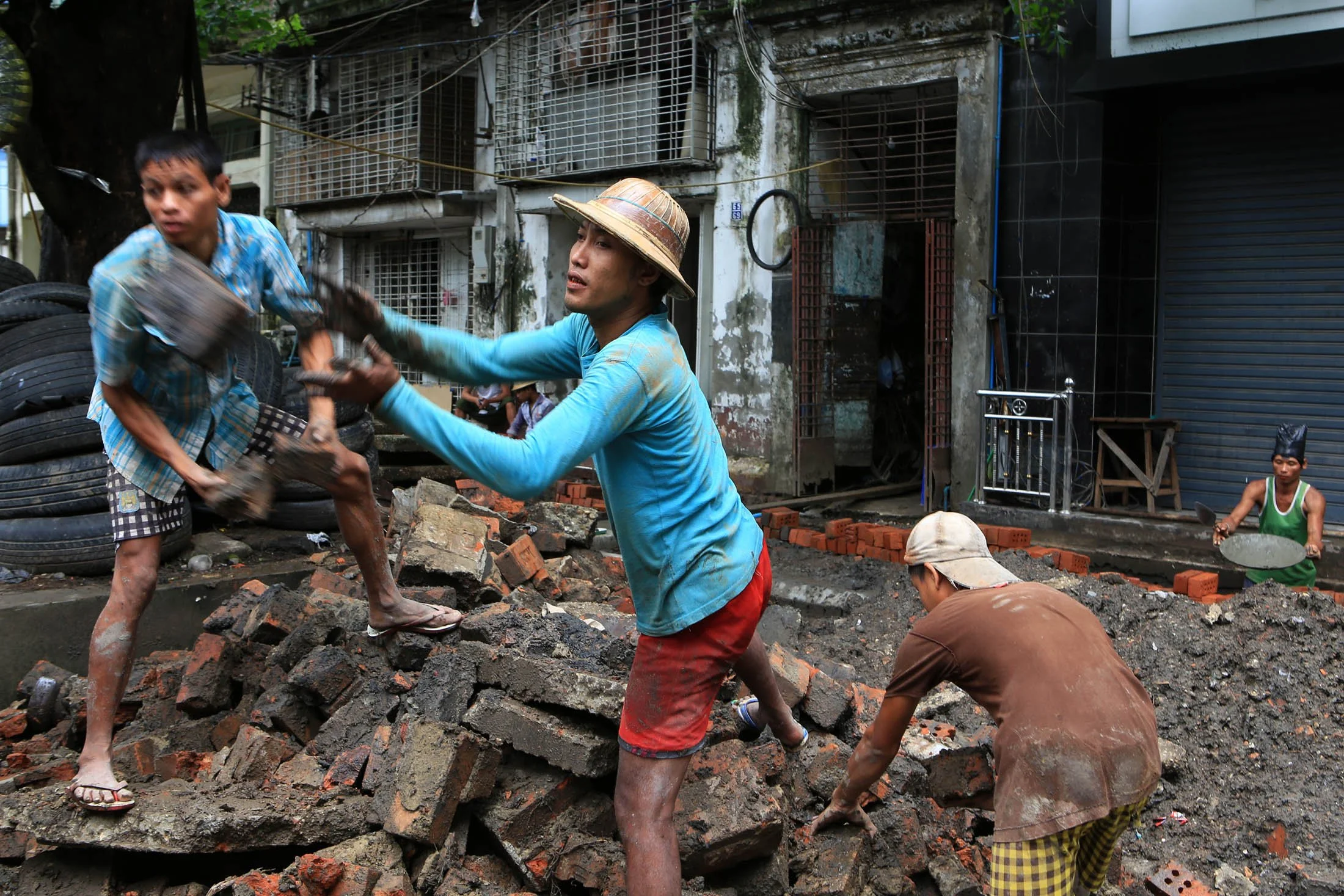
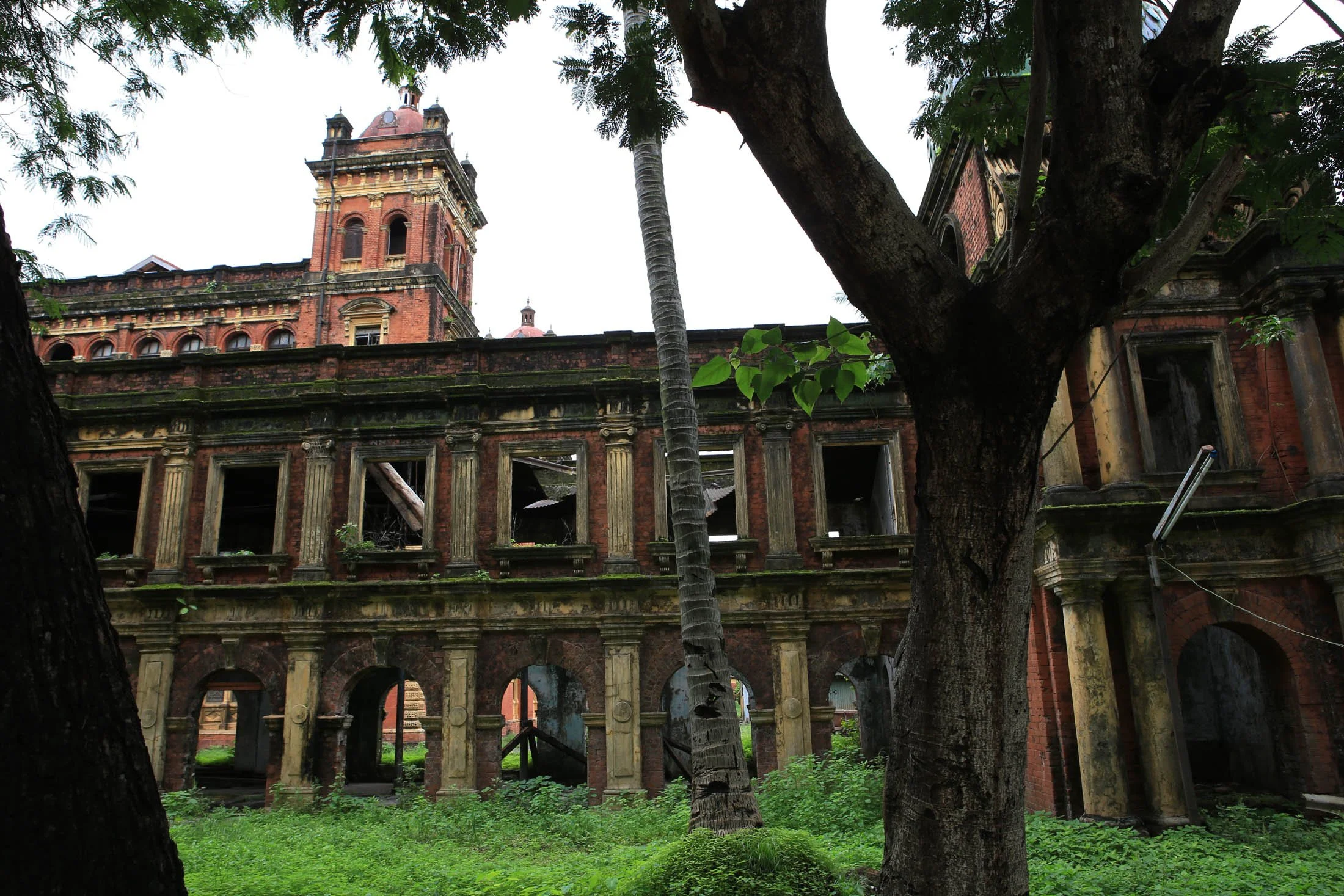
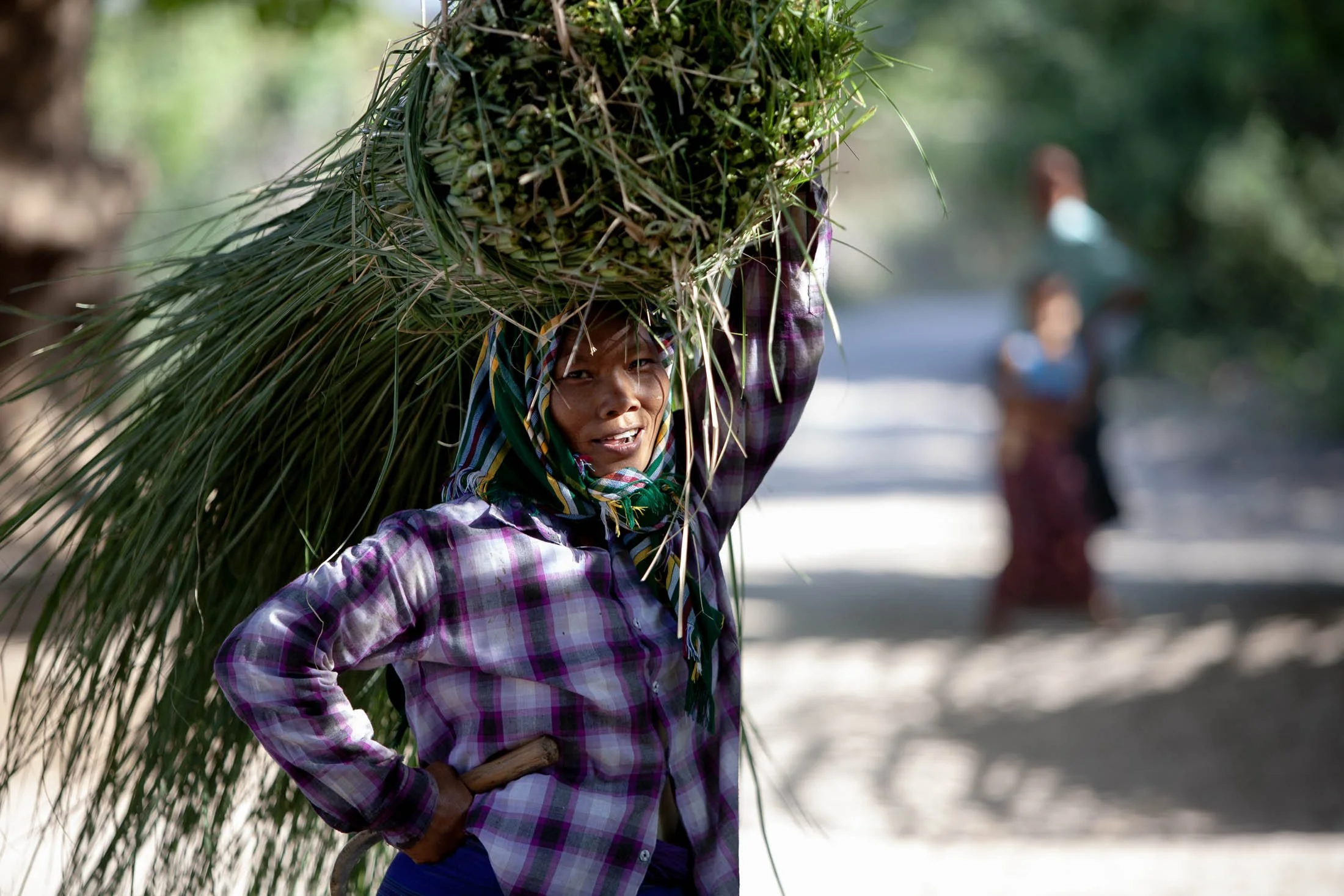
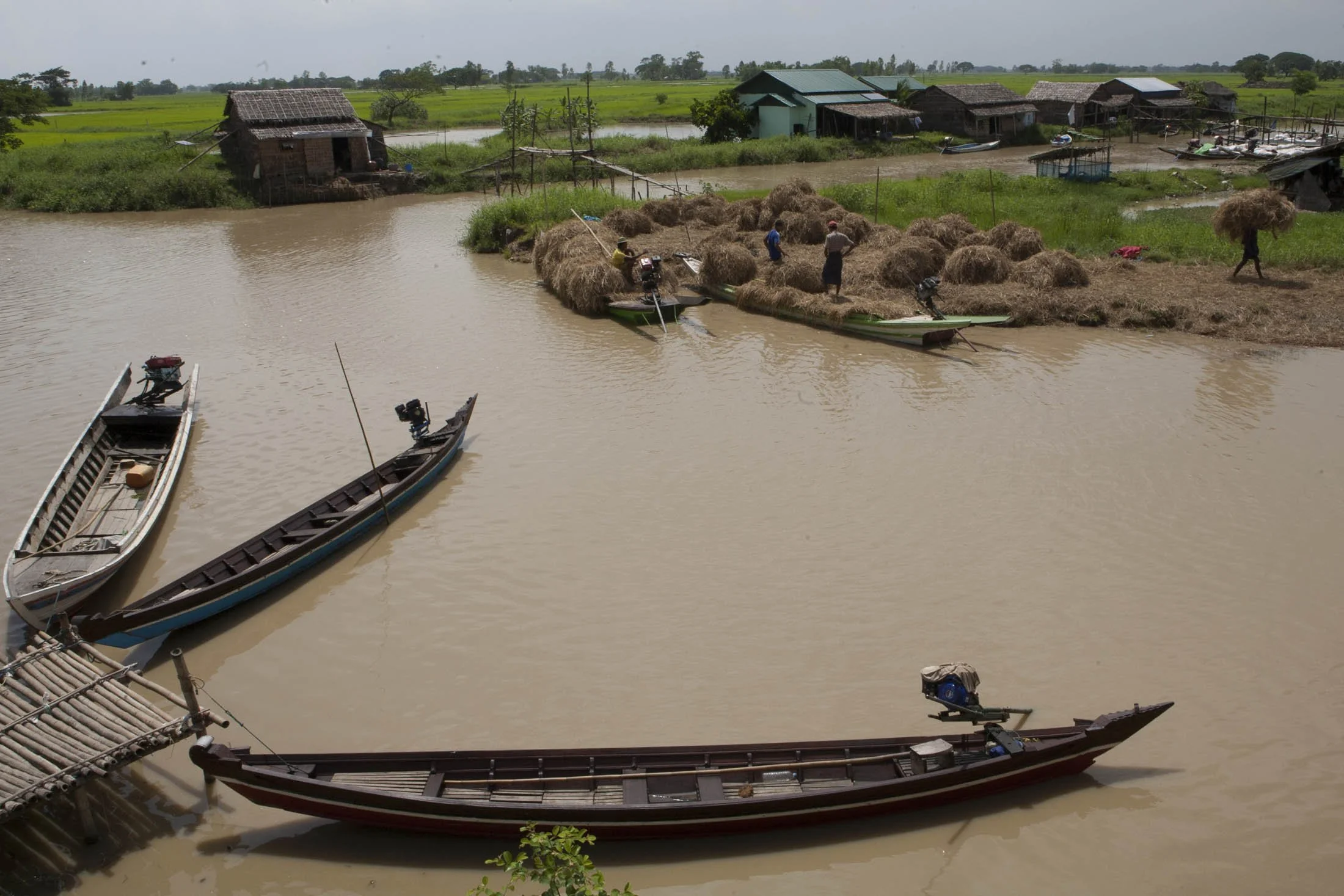
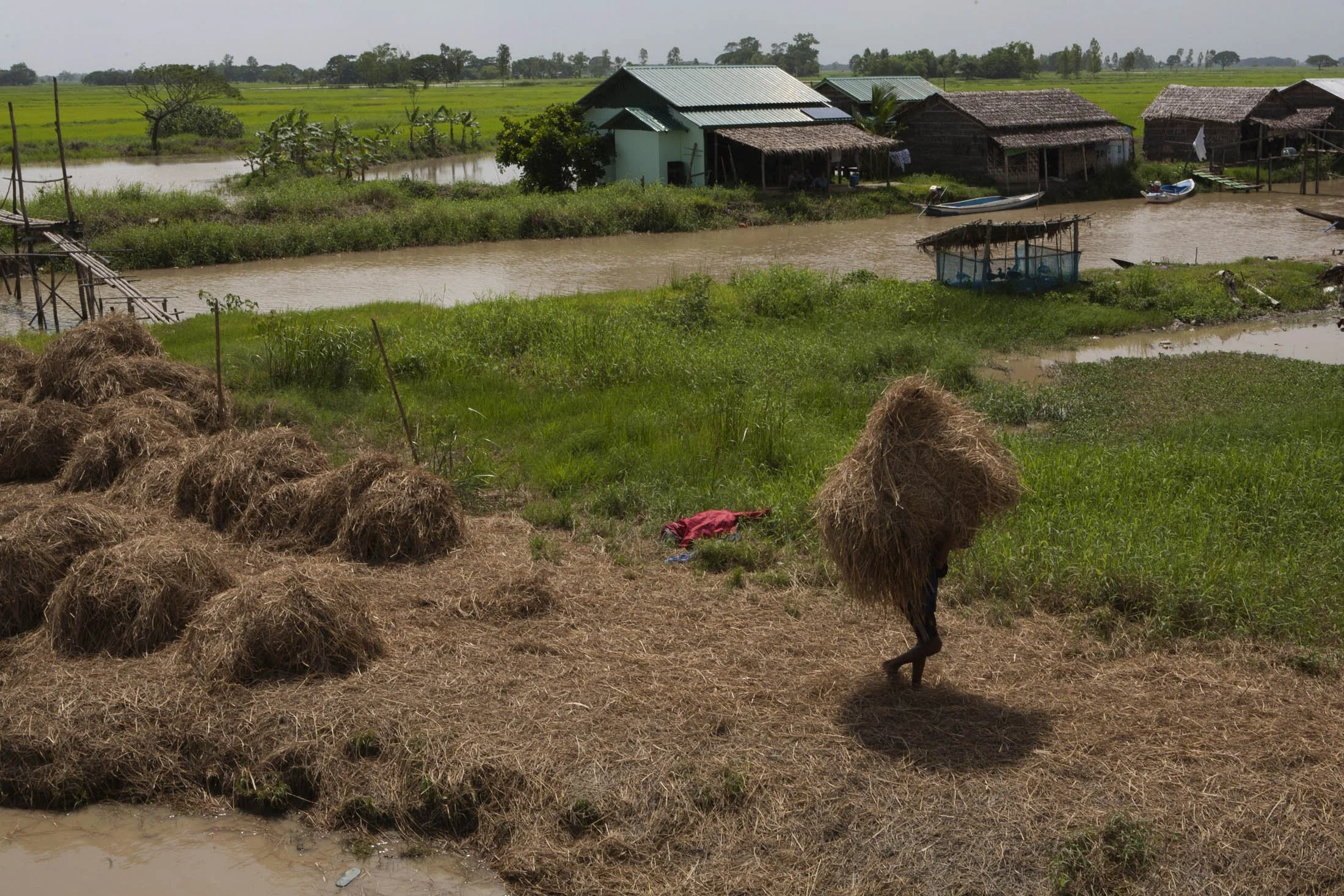
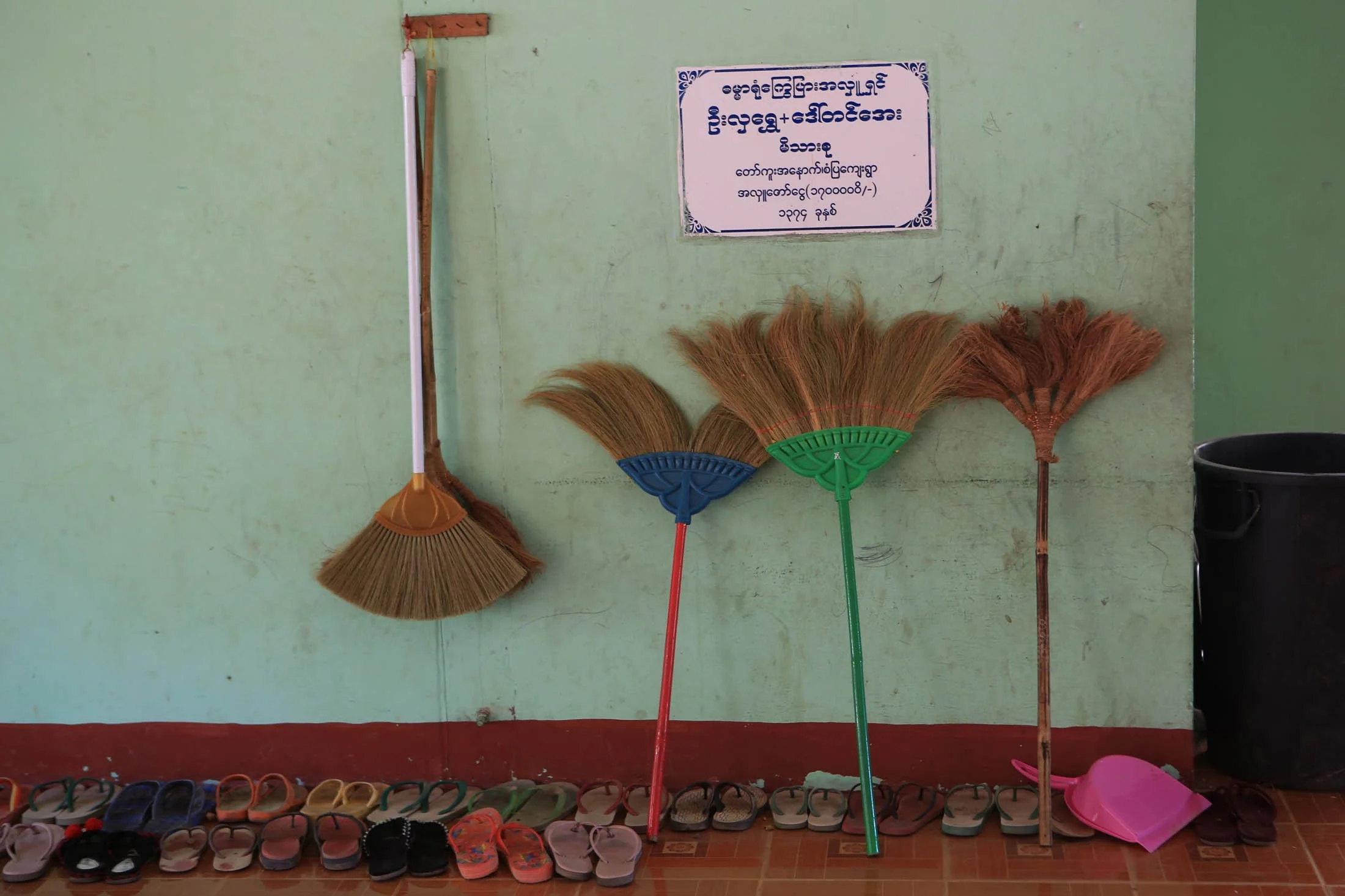
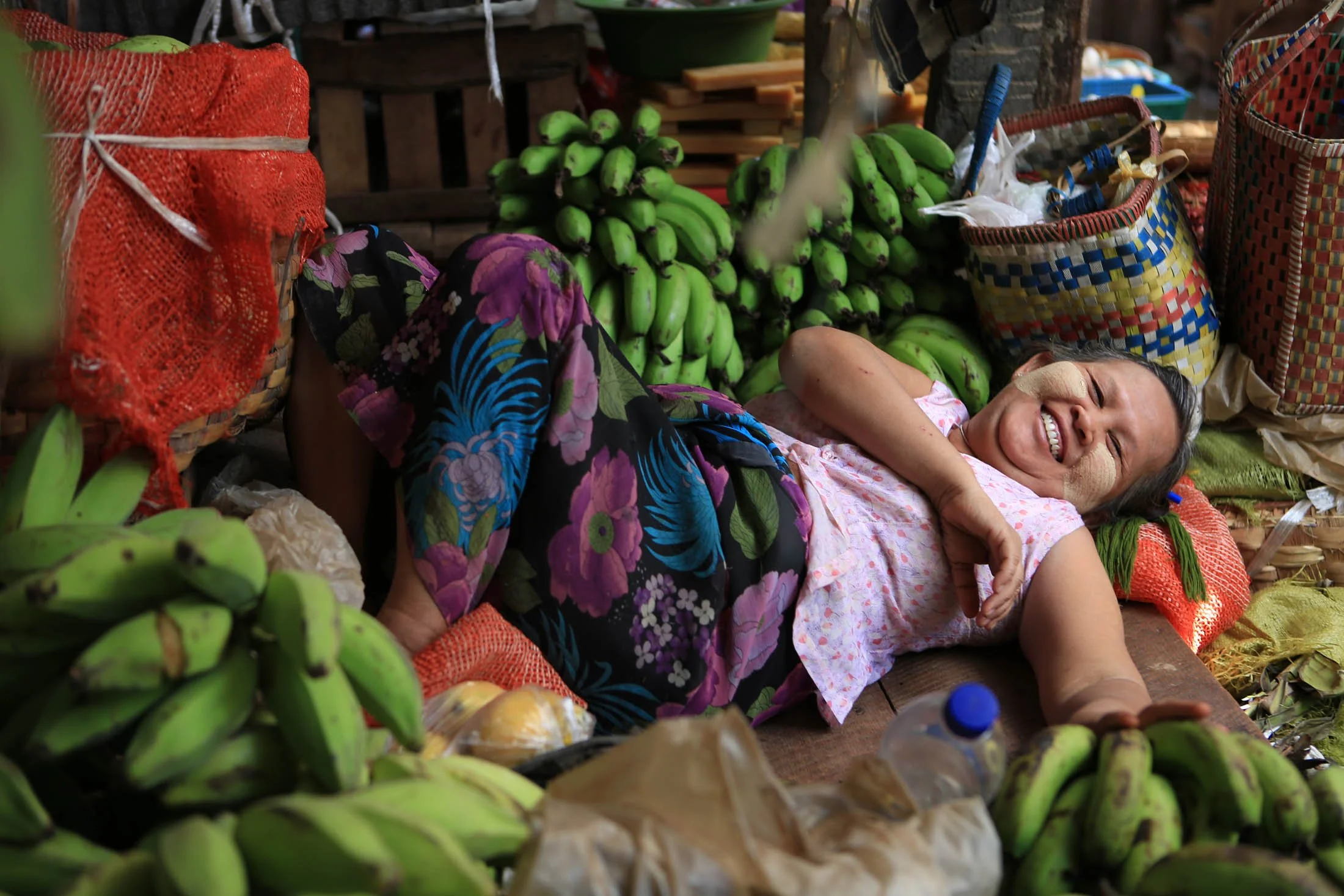
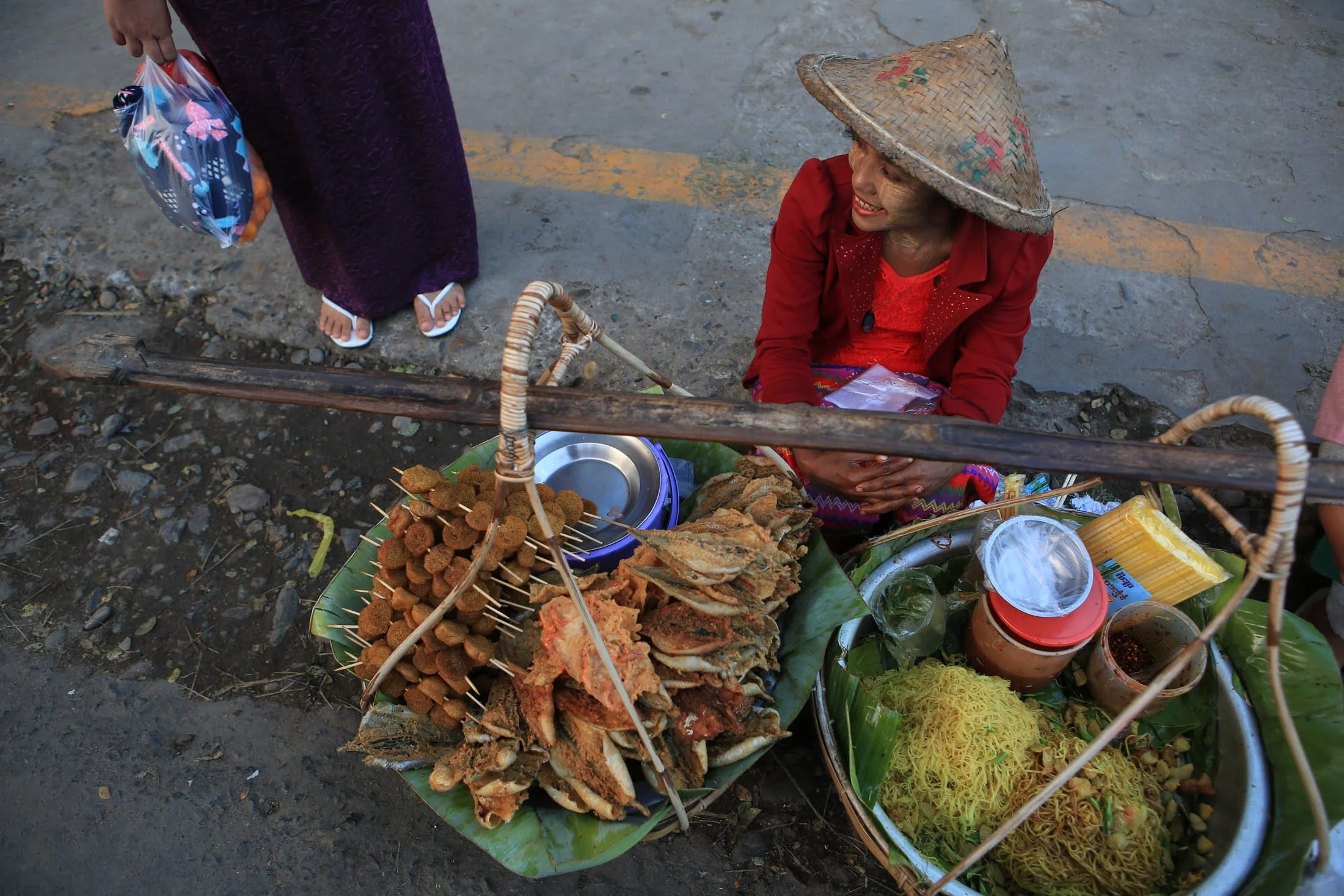
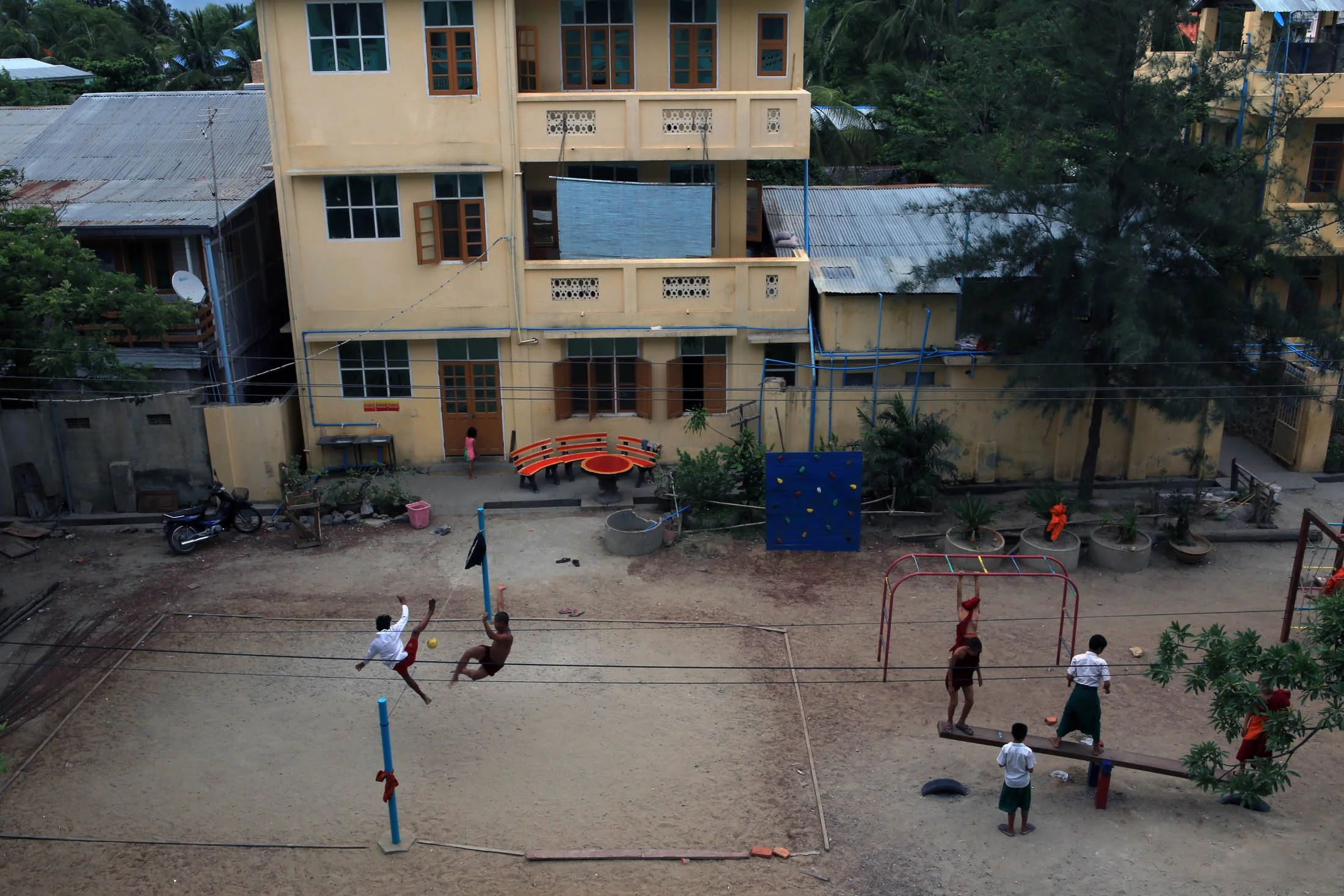
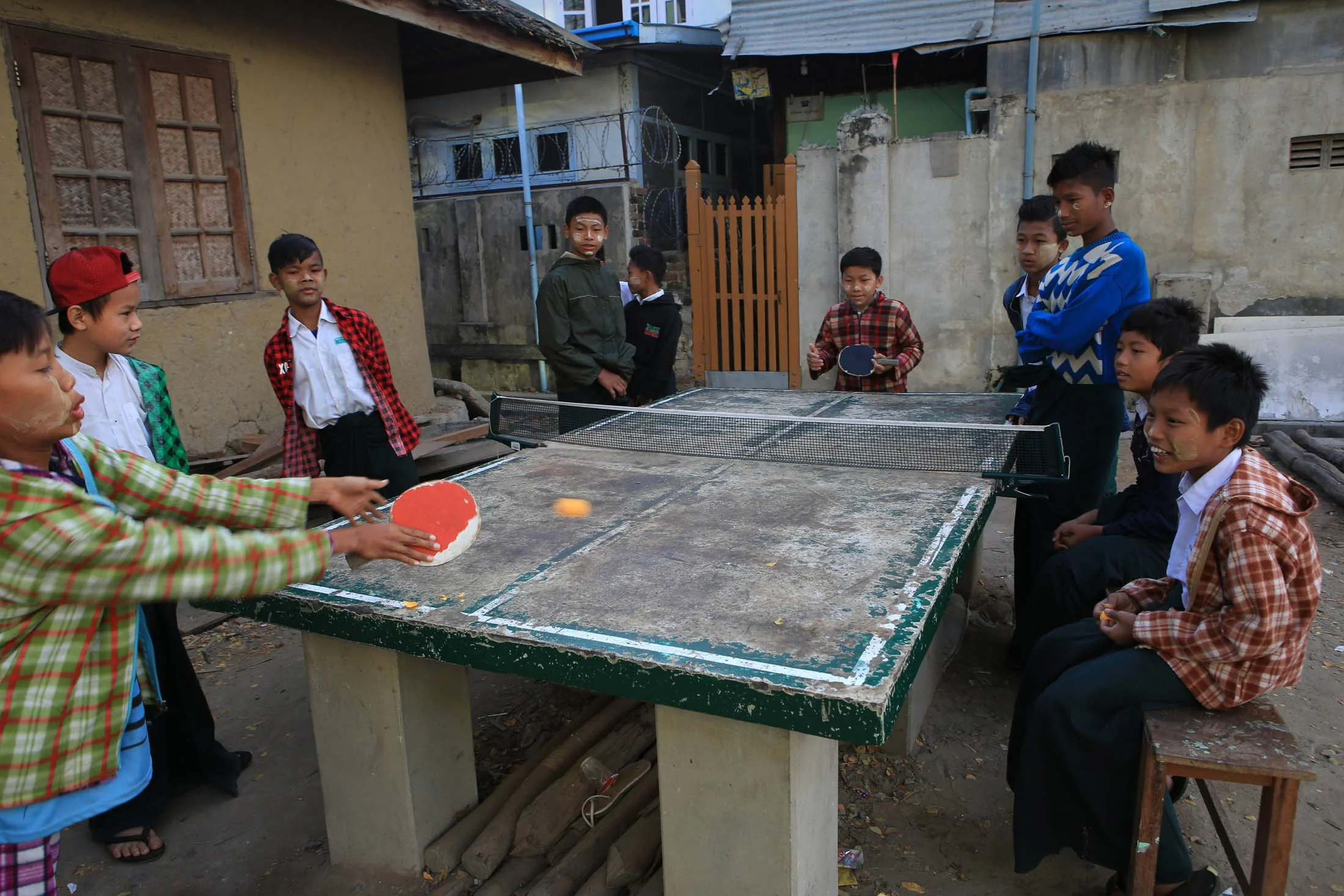
My first trip to Burma was to cover the “Forgotten War” for the Los Angeles Times in 1992, surreptitiously crossing into the country from the Thai border. I returned in 2015 and 2016 with a visa to do work on more stories and travel throughout the intriguing country starting in Yangon, the most populous city, with over 6 million people, which was the capital until 2006 when the military relocated the capital to Nay Phi Taw. Yangon is a dizzying array of Victorian and Edwardian buildings, a decaying reminder of Burma’s unique history of colonial occupation followed by decades of socialist isolationism. Many are more than a century old, their age written in fading colors, filigrees of dampness, and decades of creeping mold that envelops most exteriors. Some maintain the glorious porticos that provide shelter from the rain and sun, but most were destroyed when the streets were first widened in the 1990s.
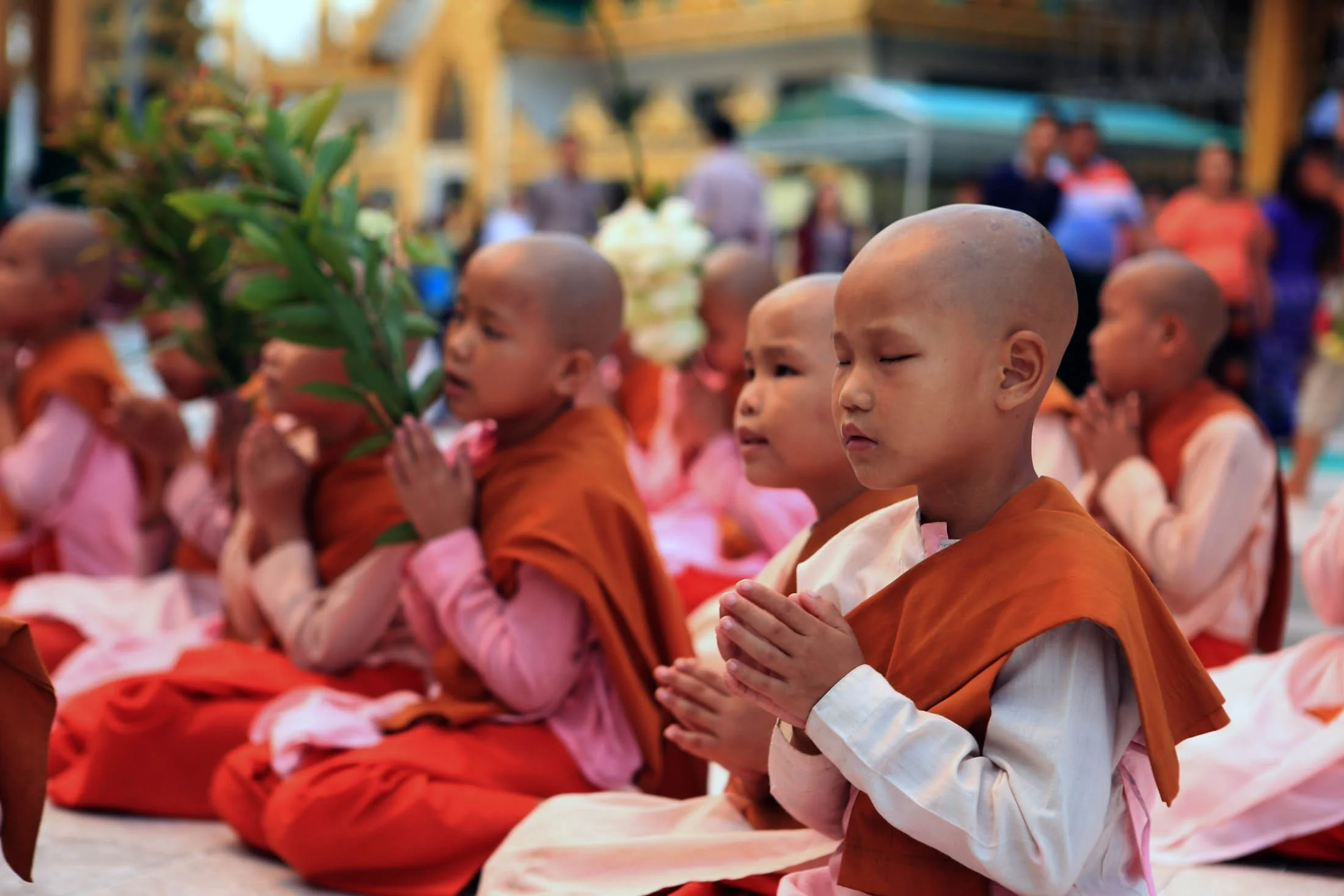
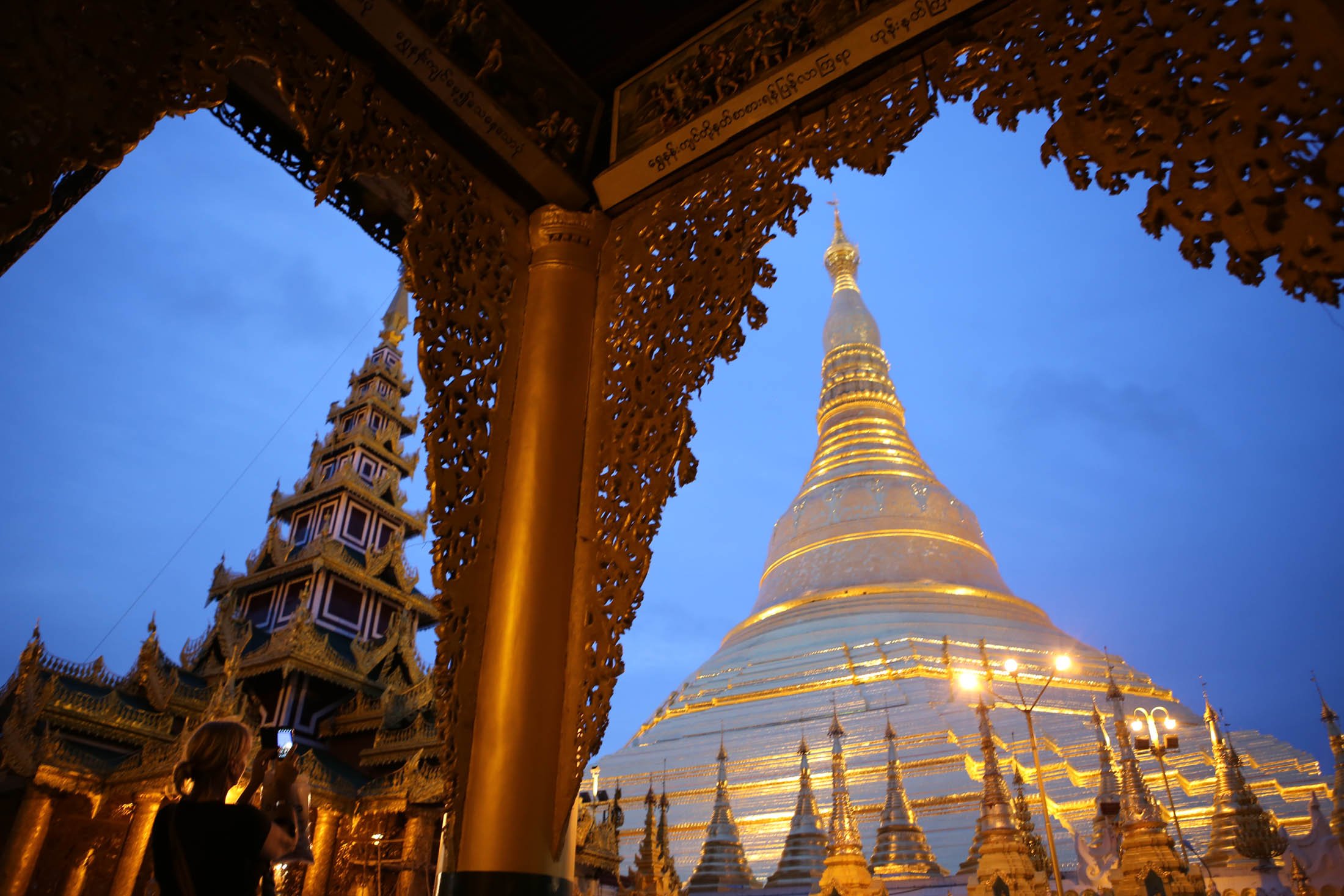
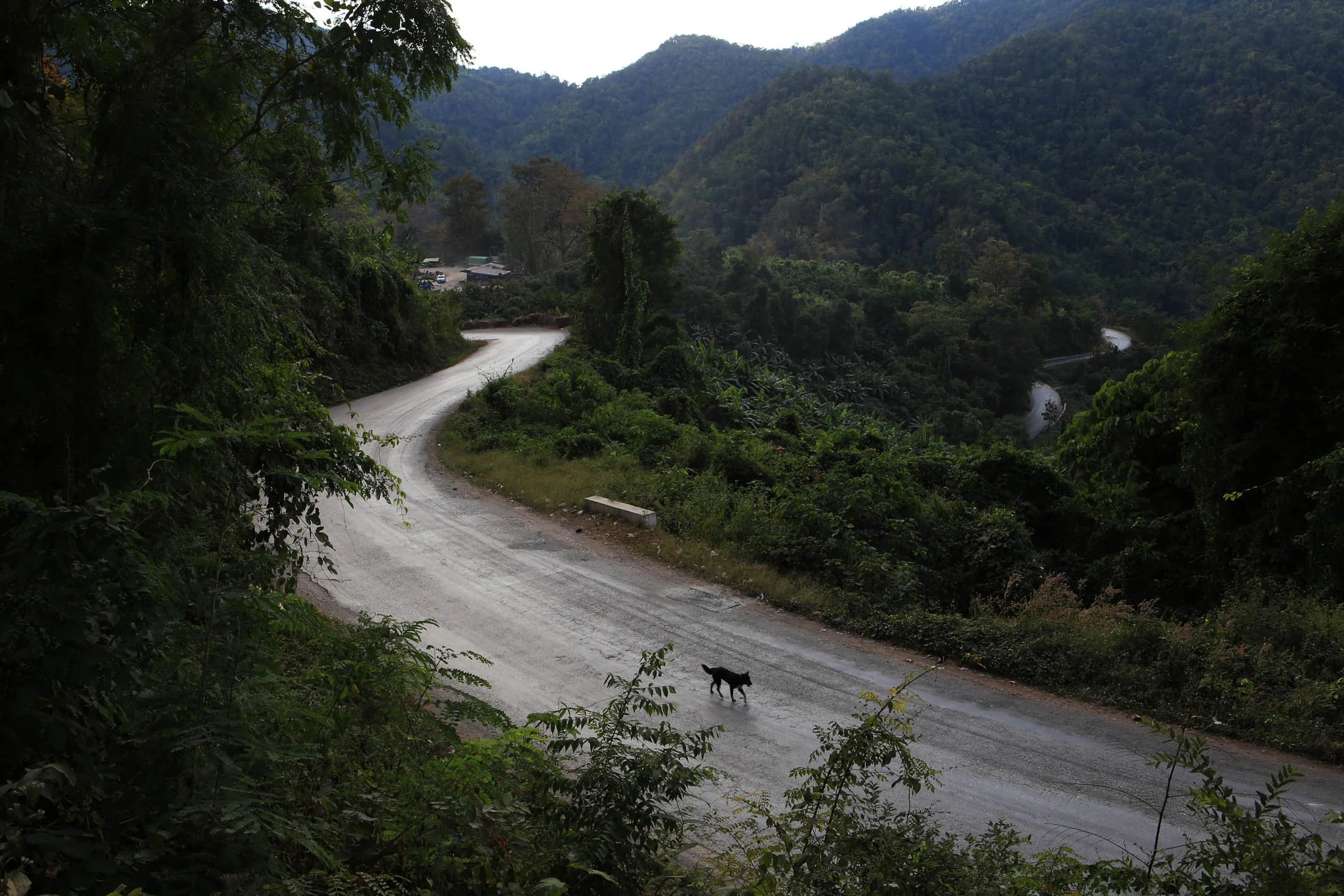
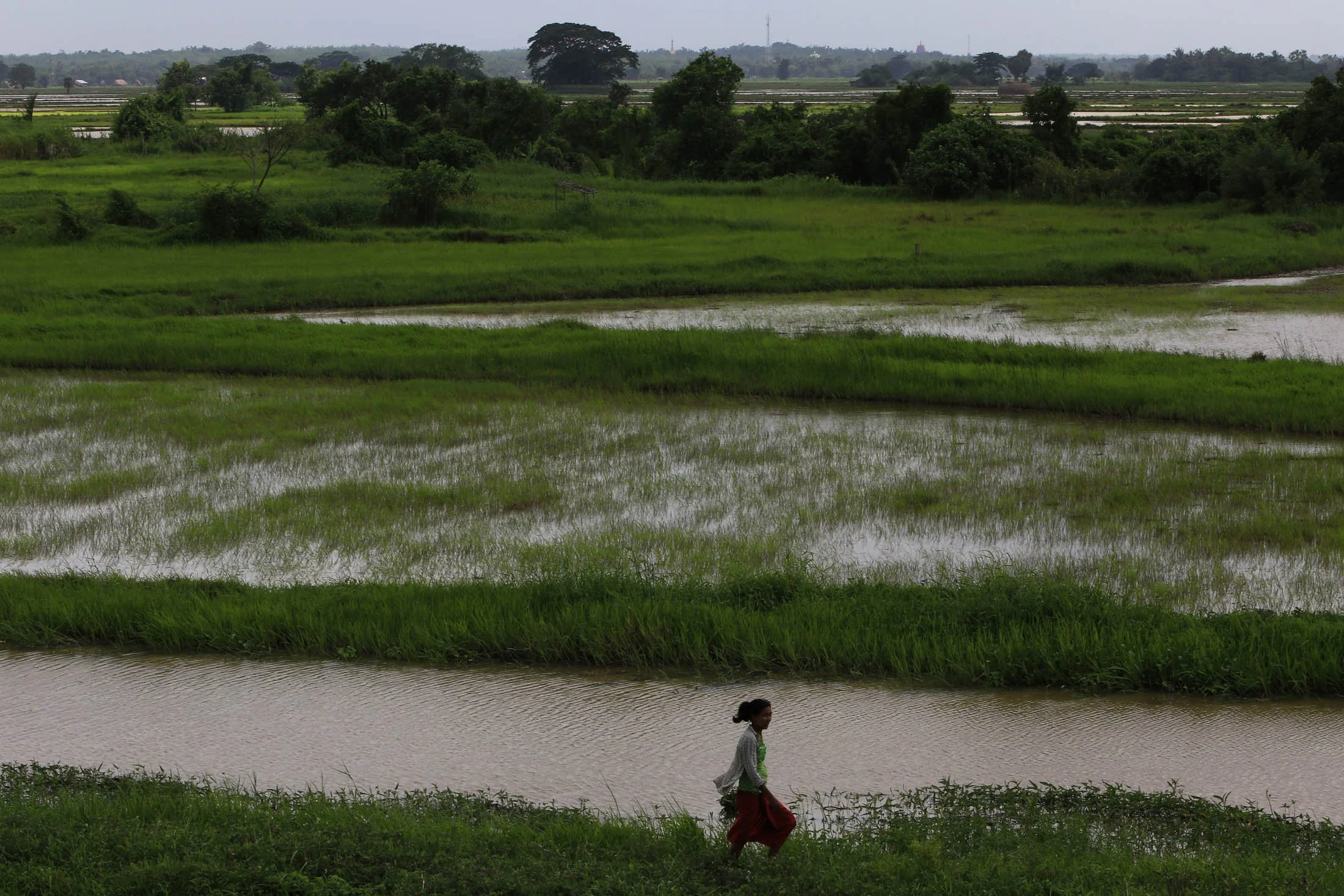
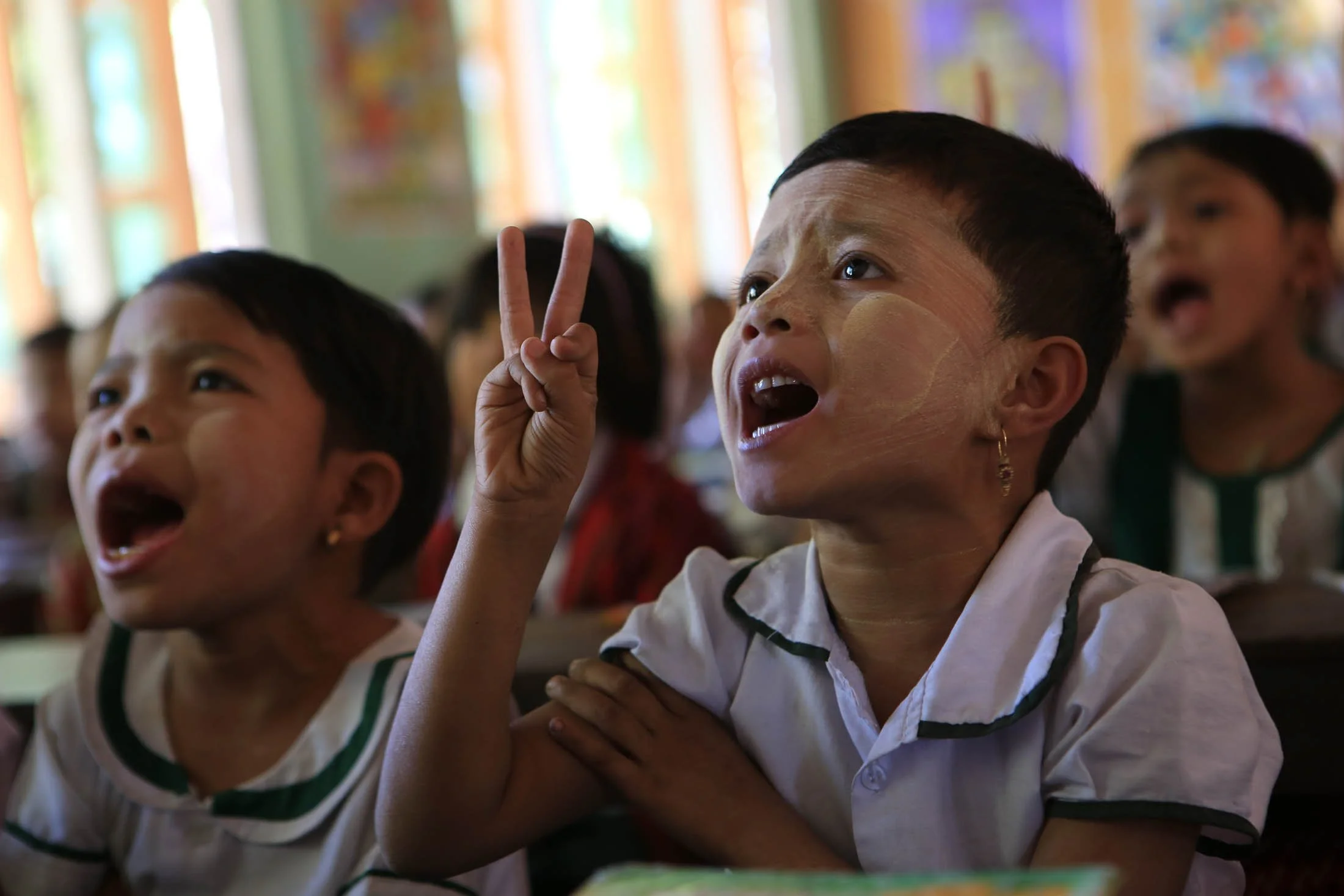
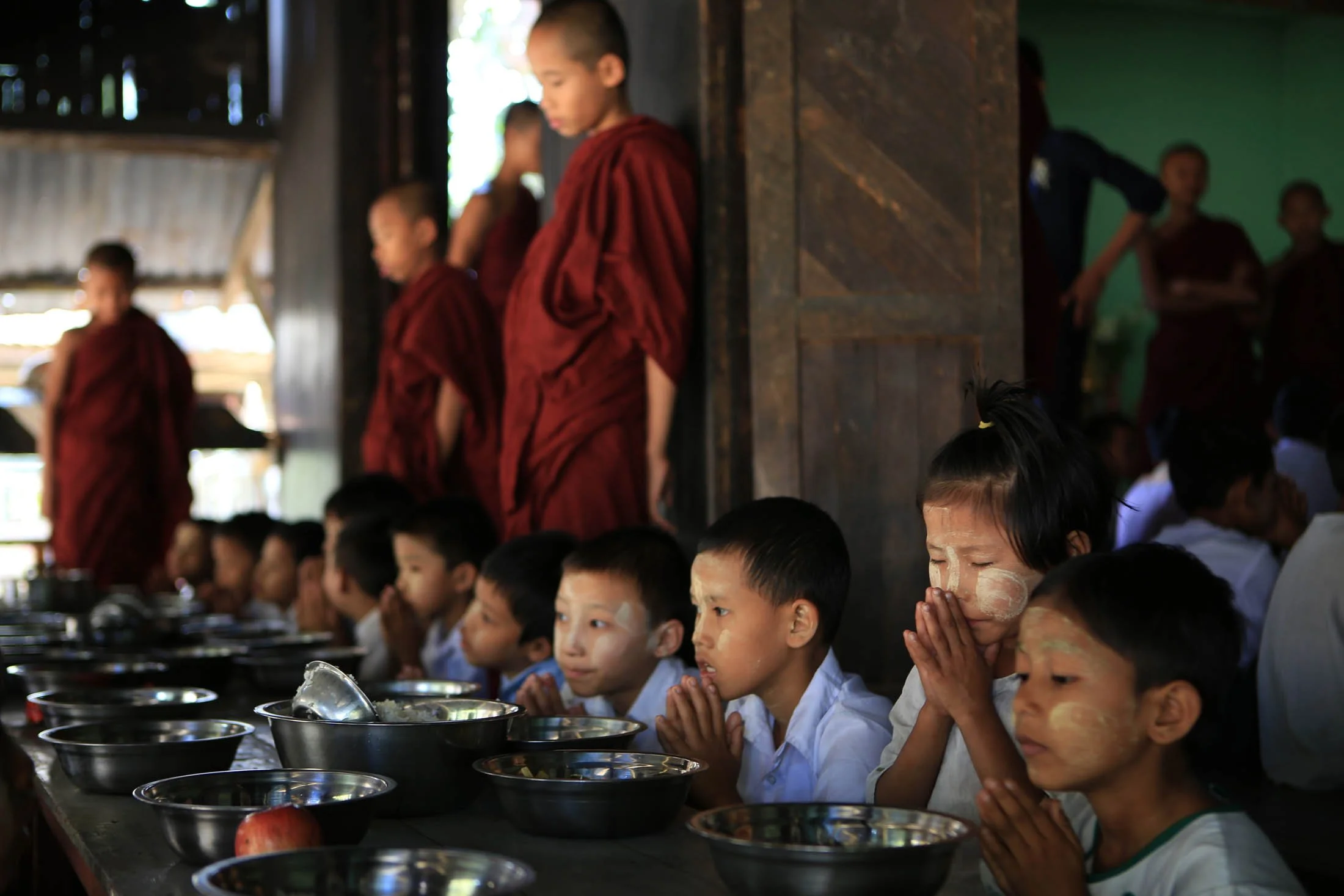
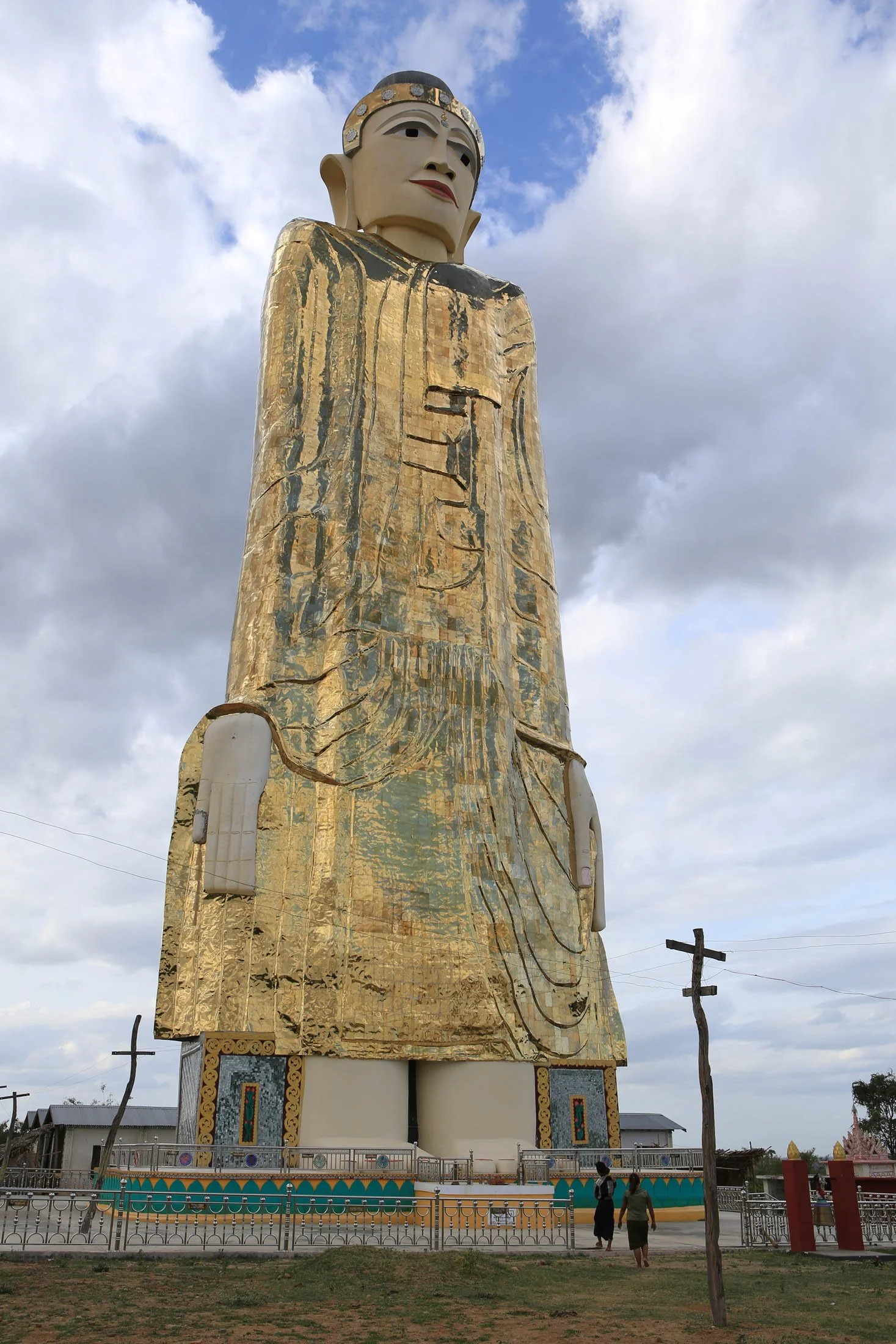
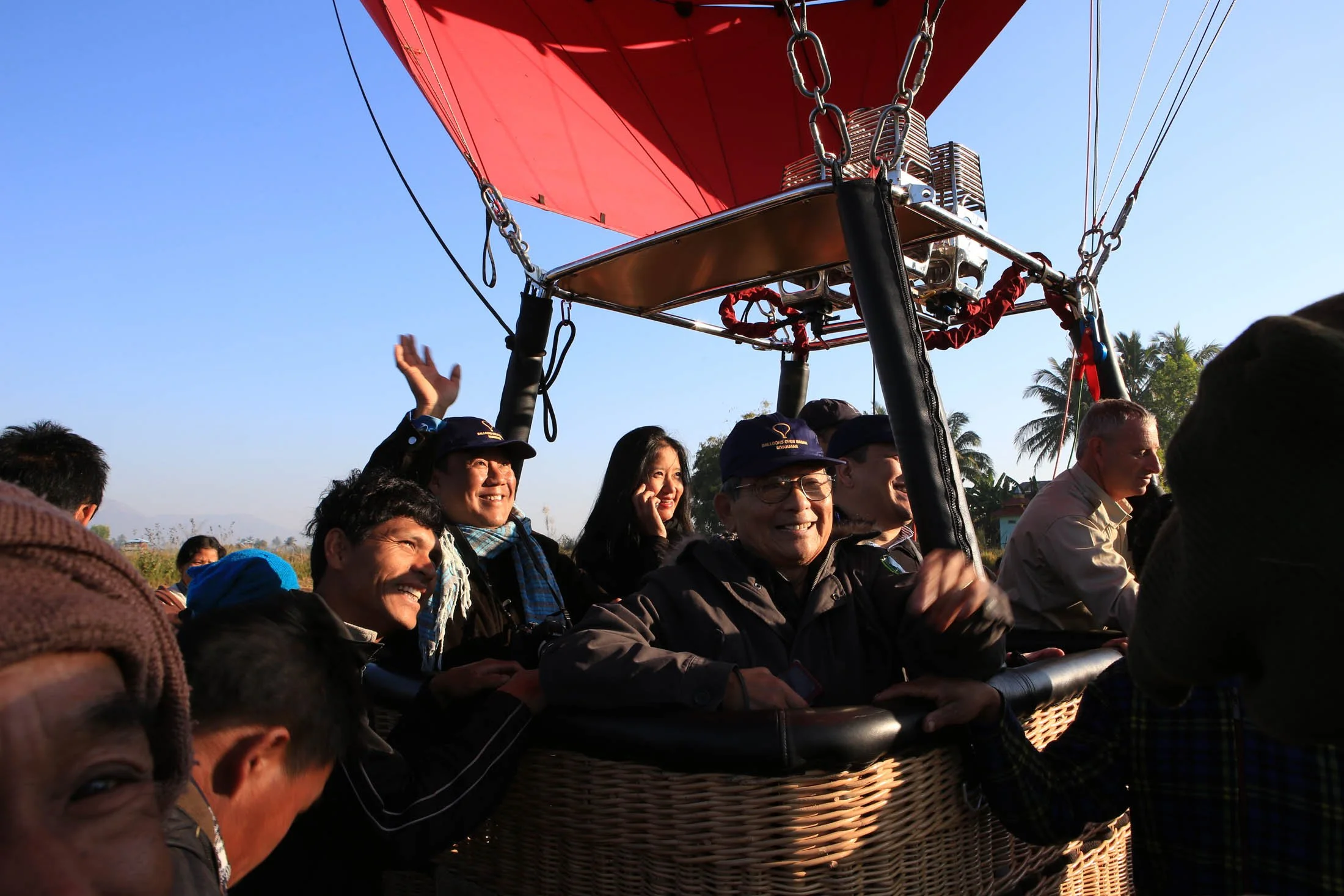
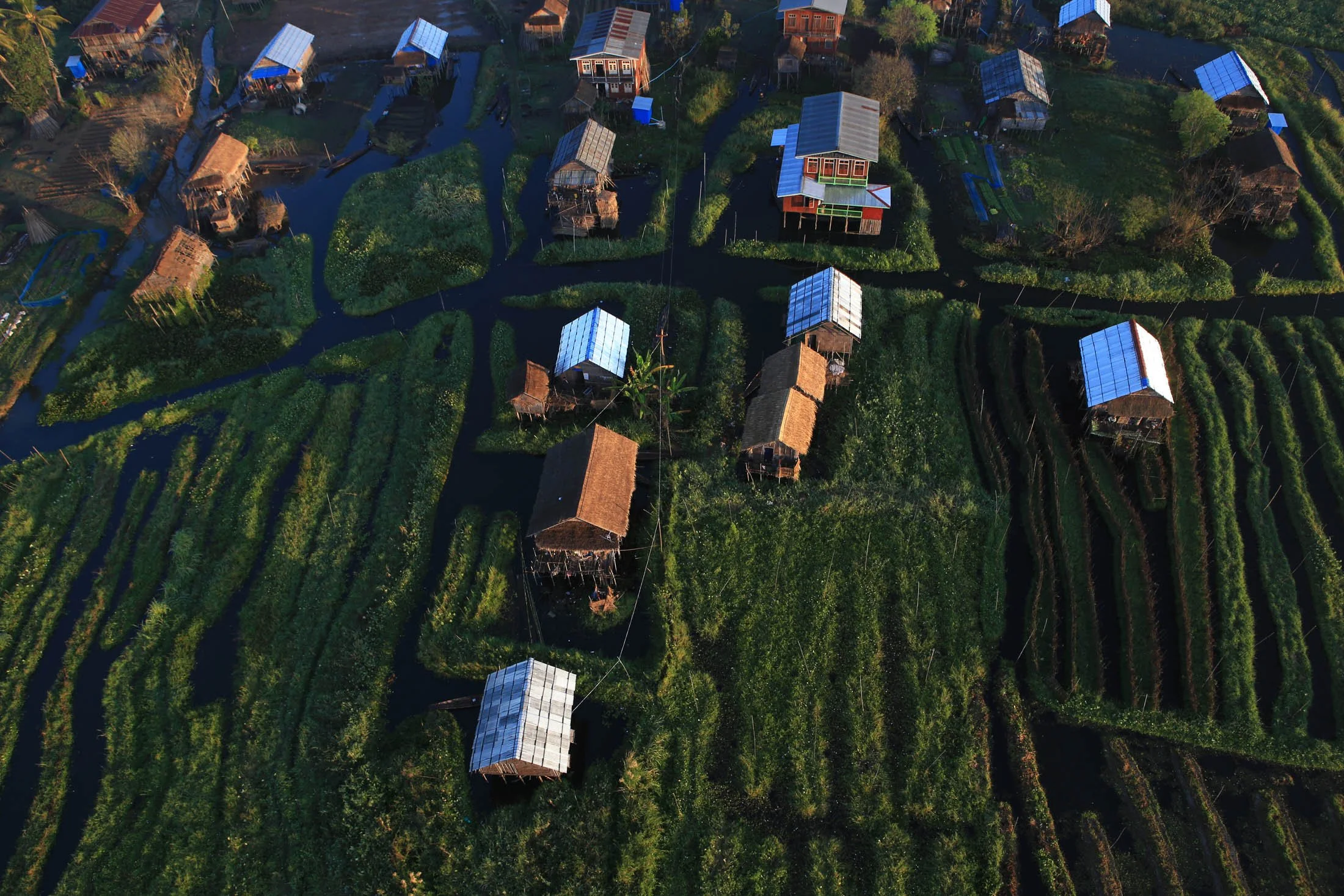
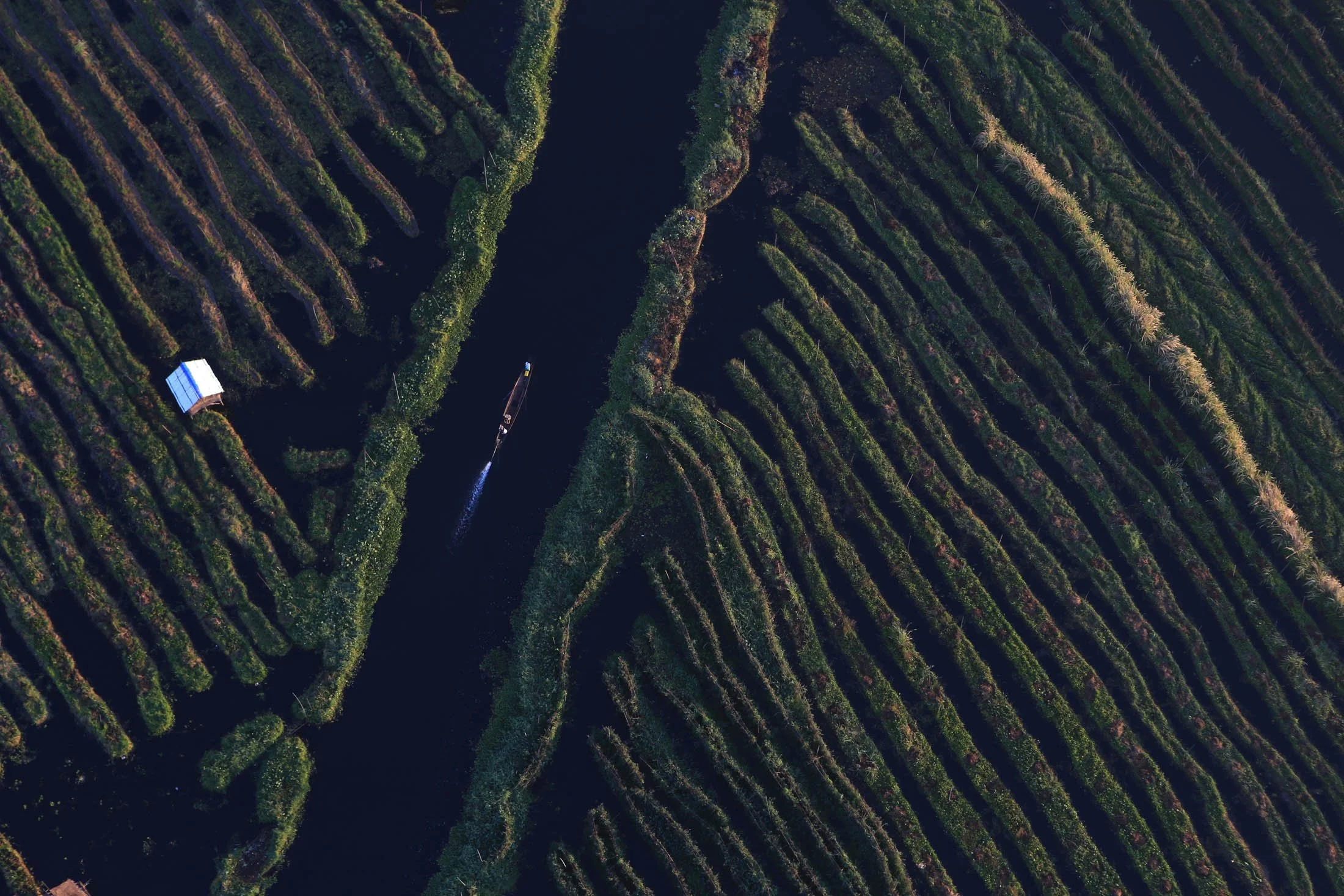
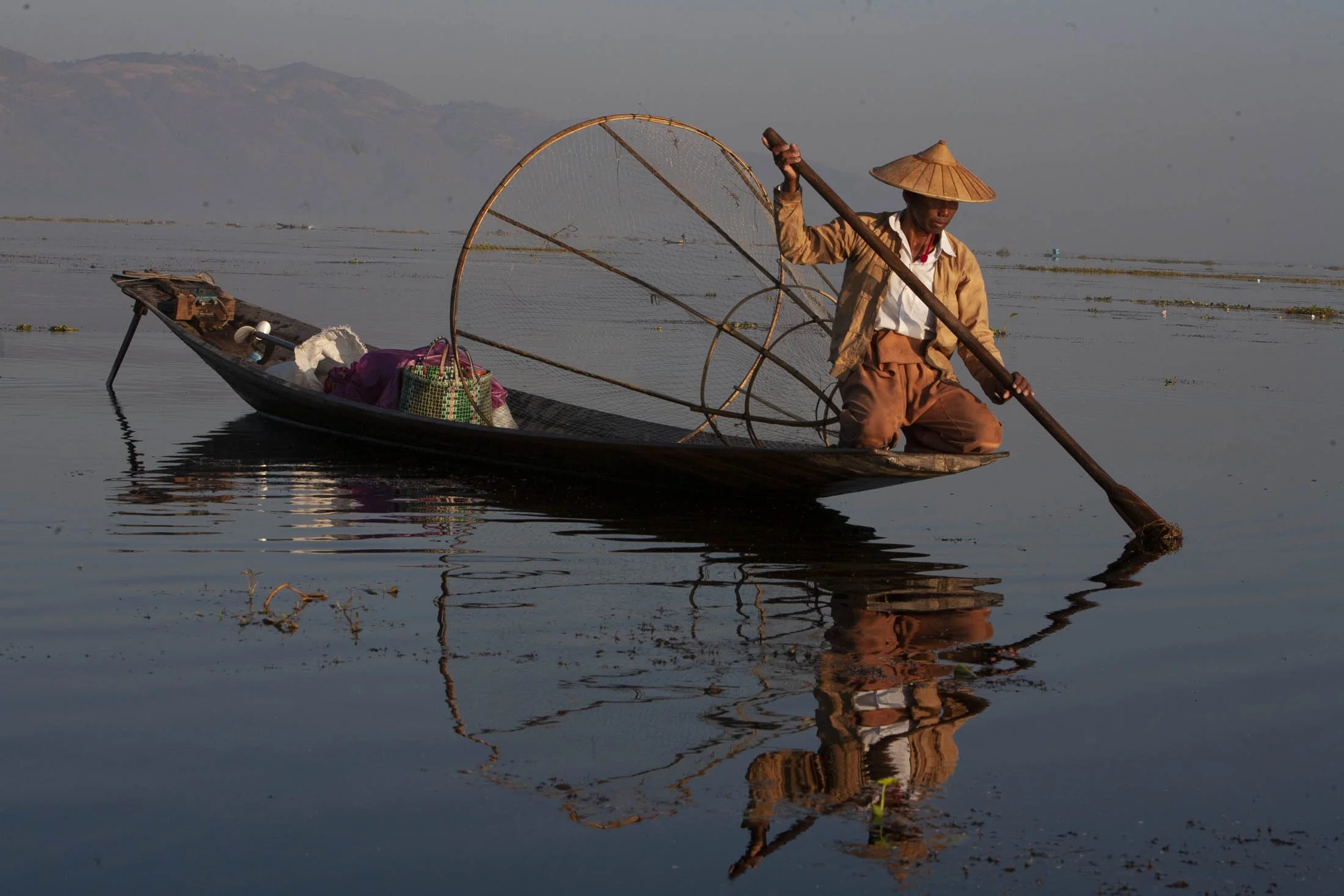
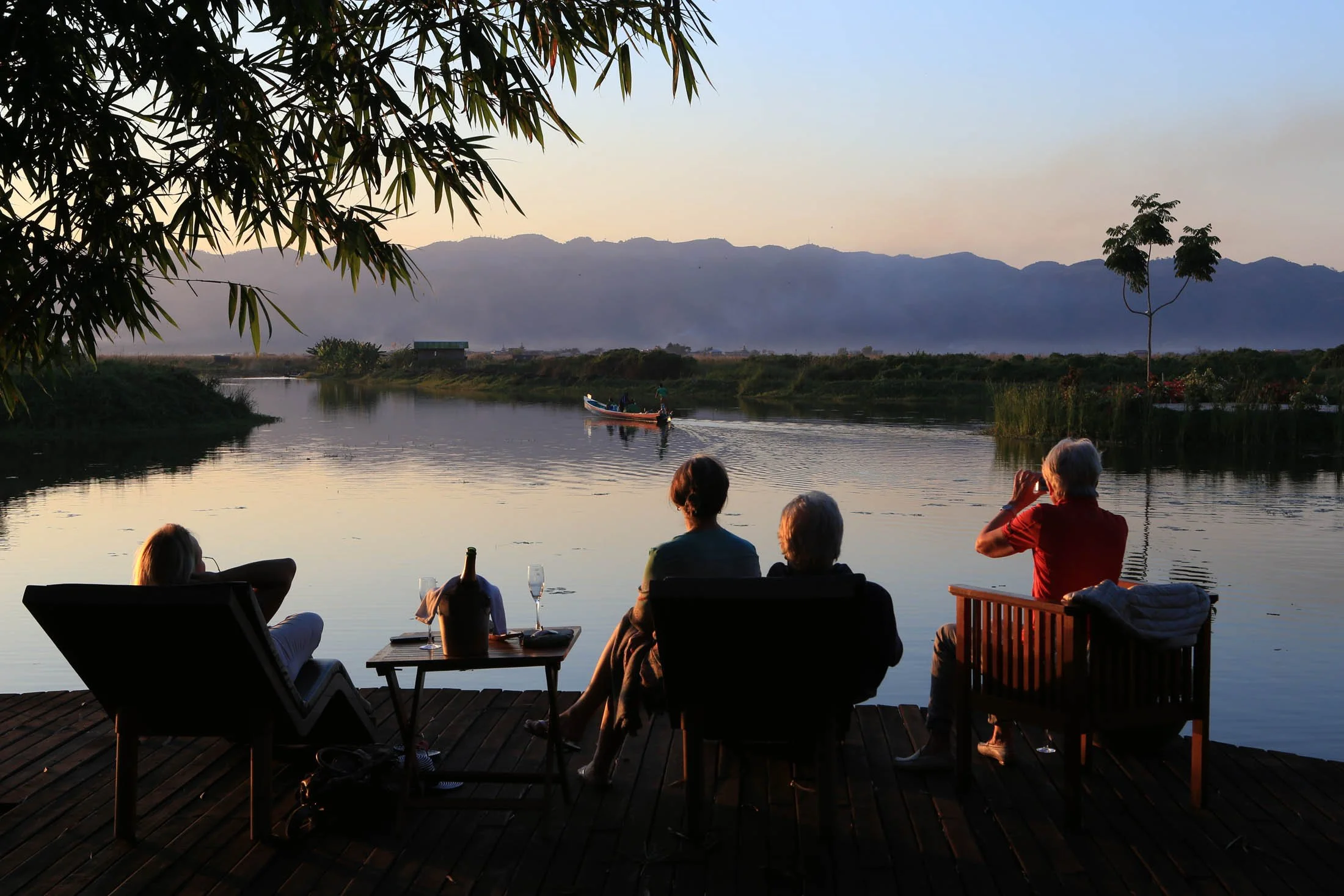
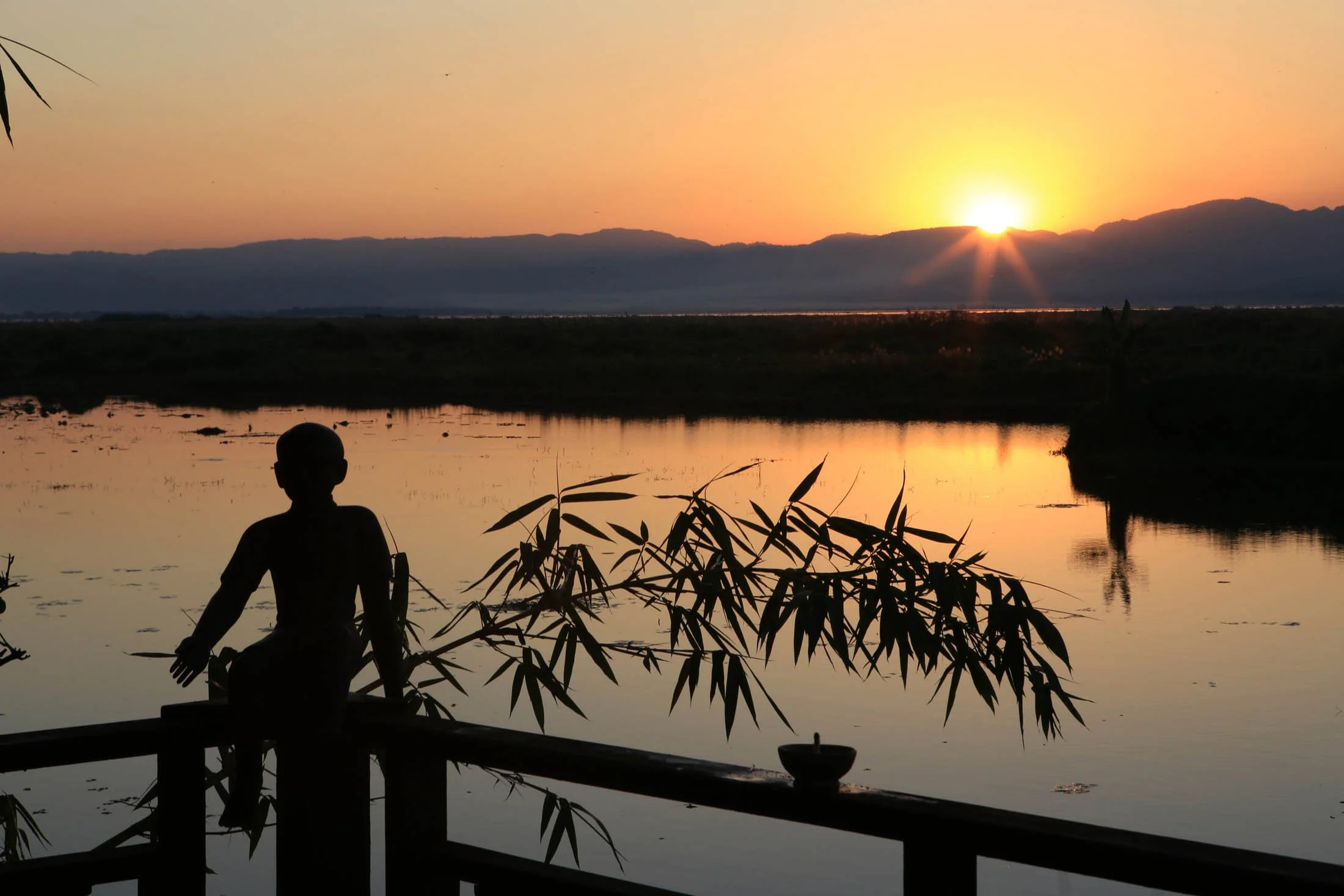
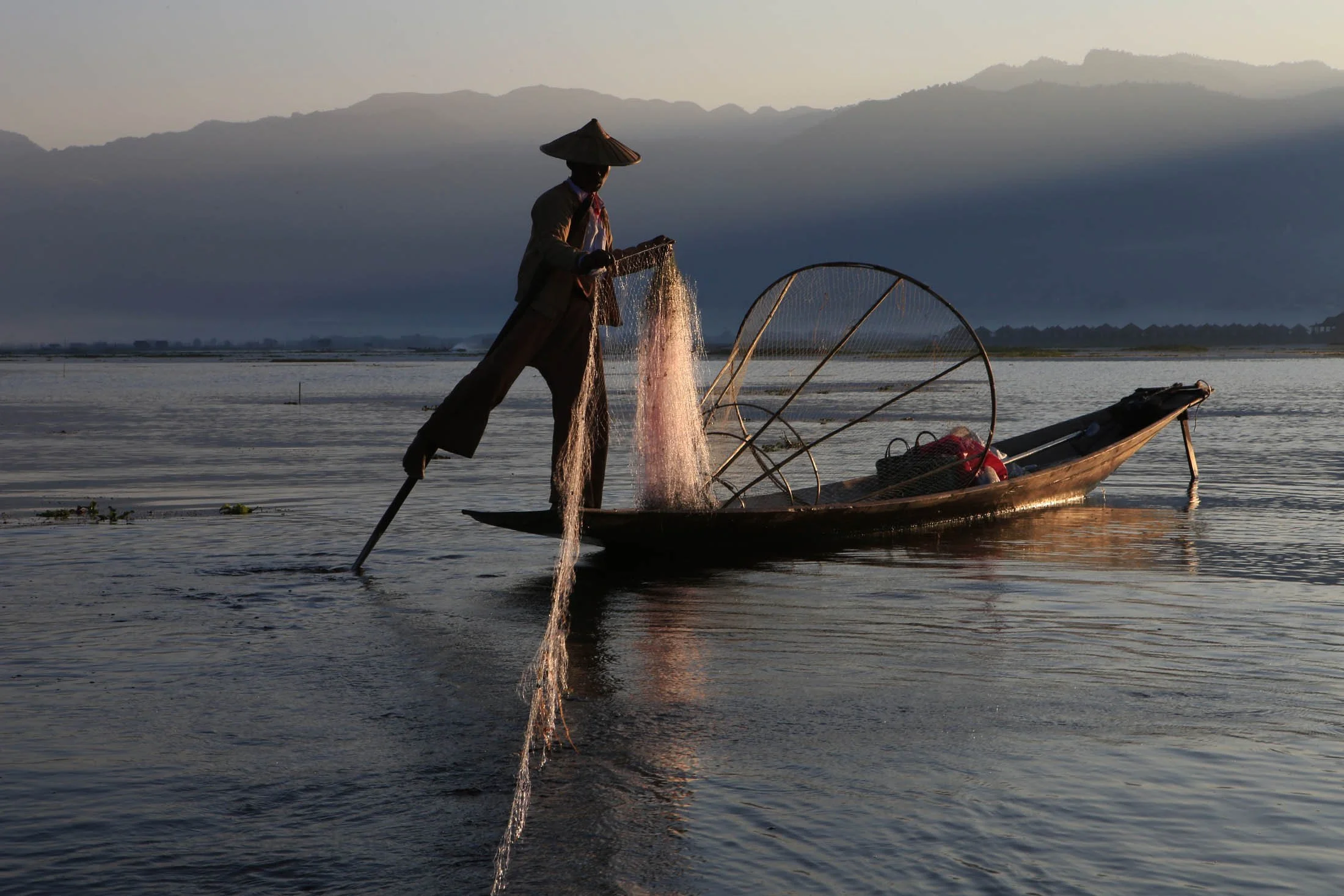
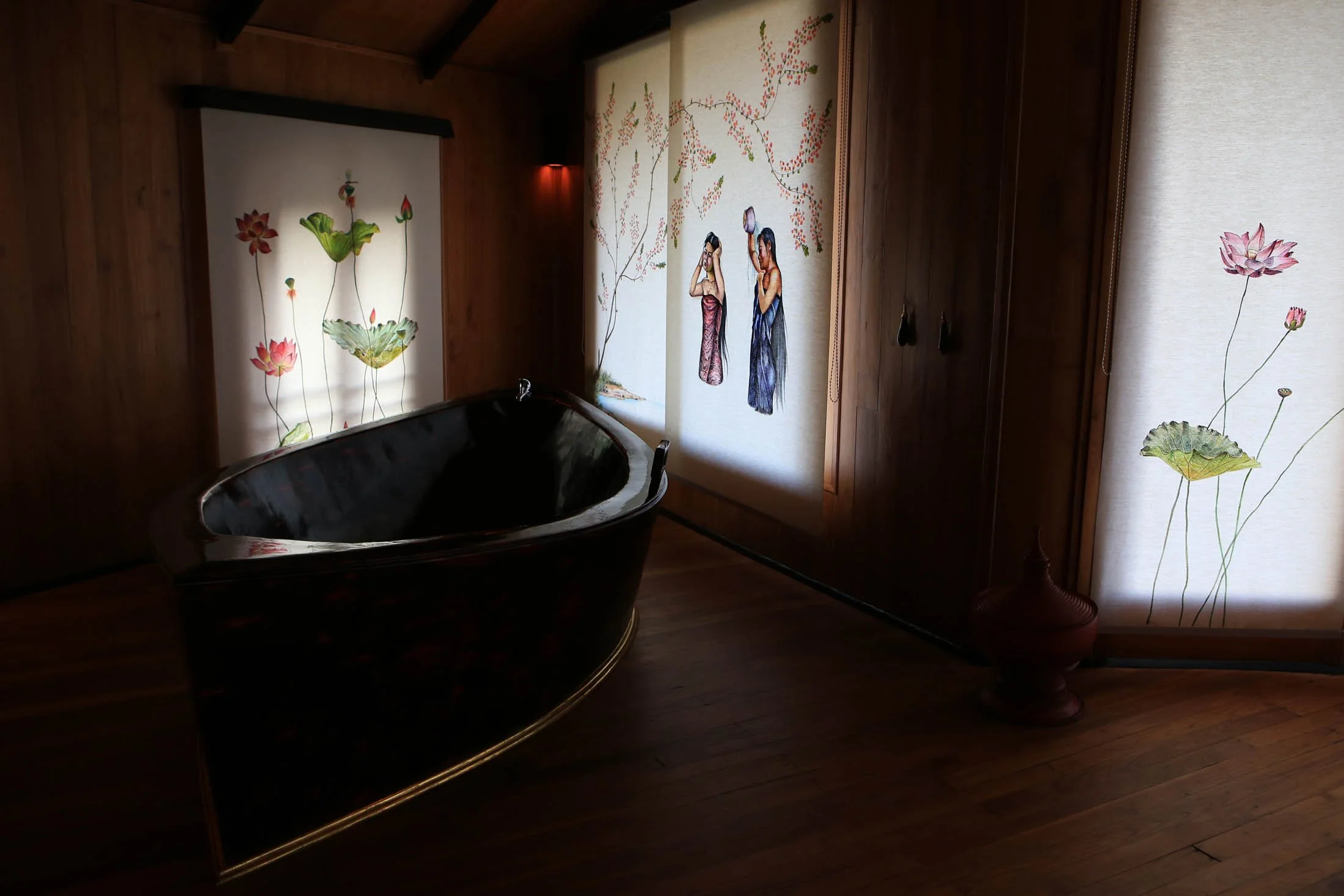
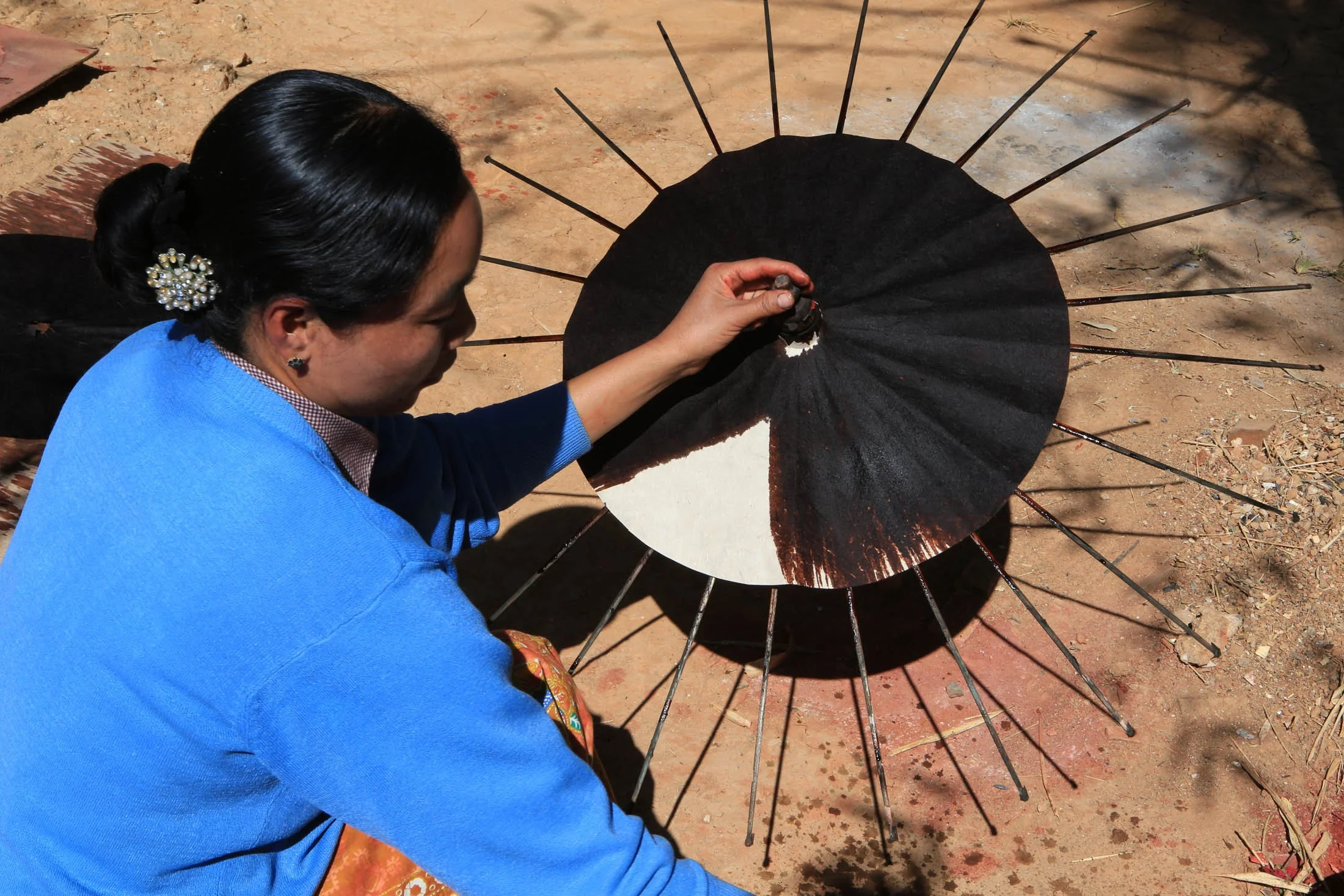
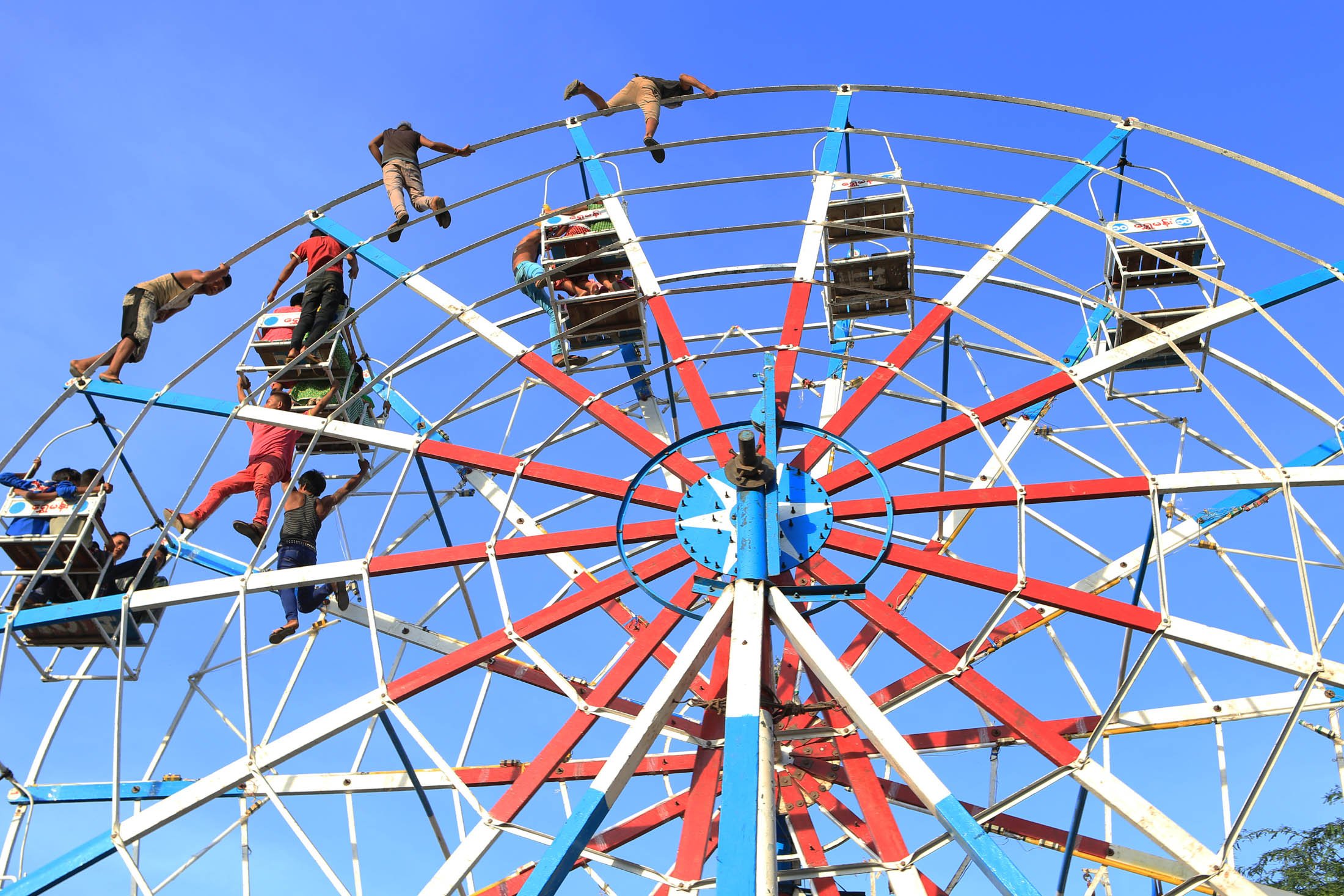
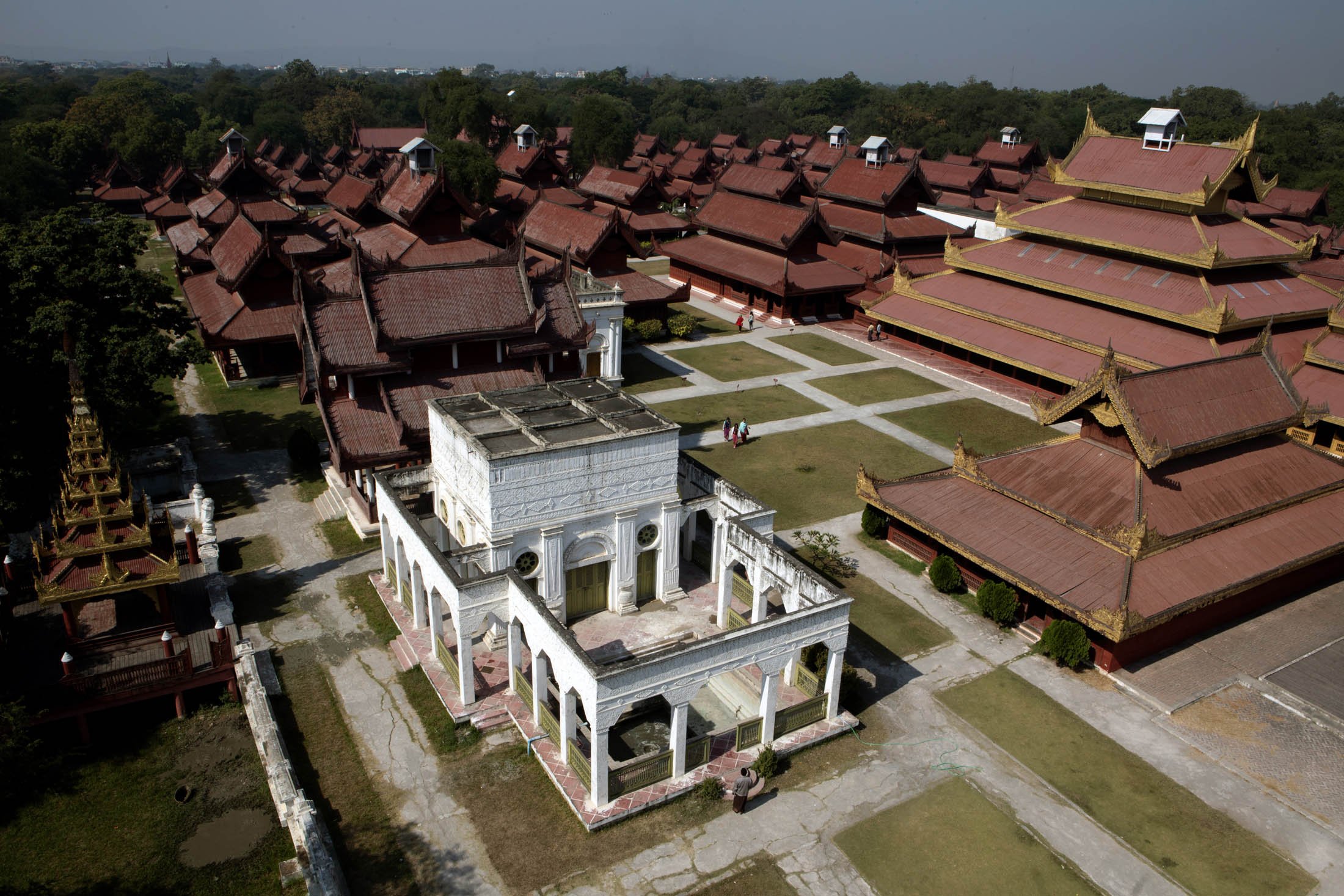
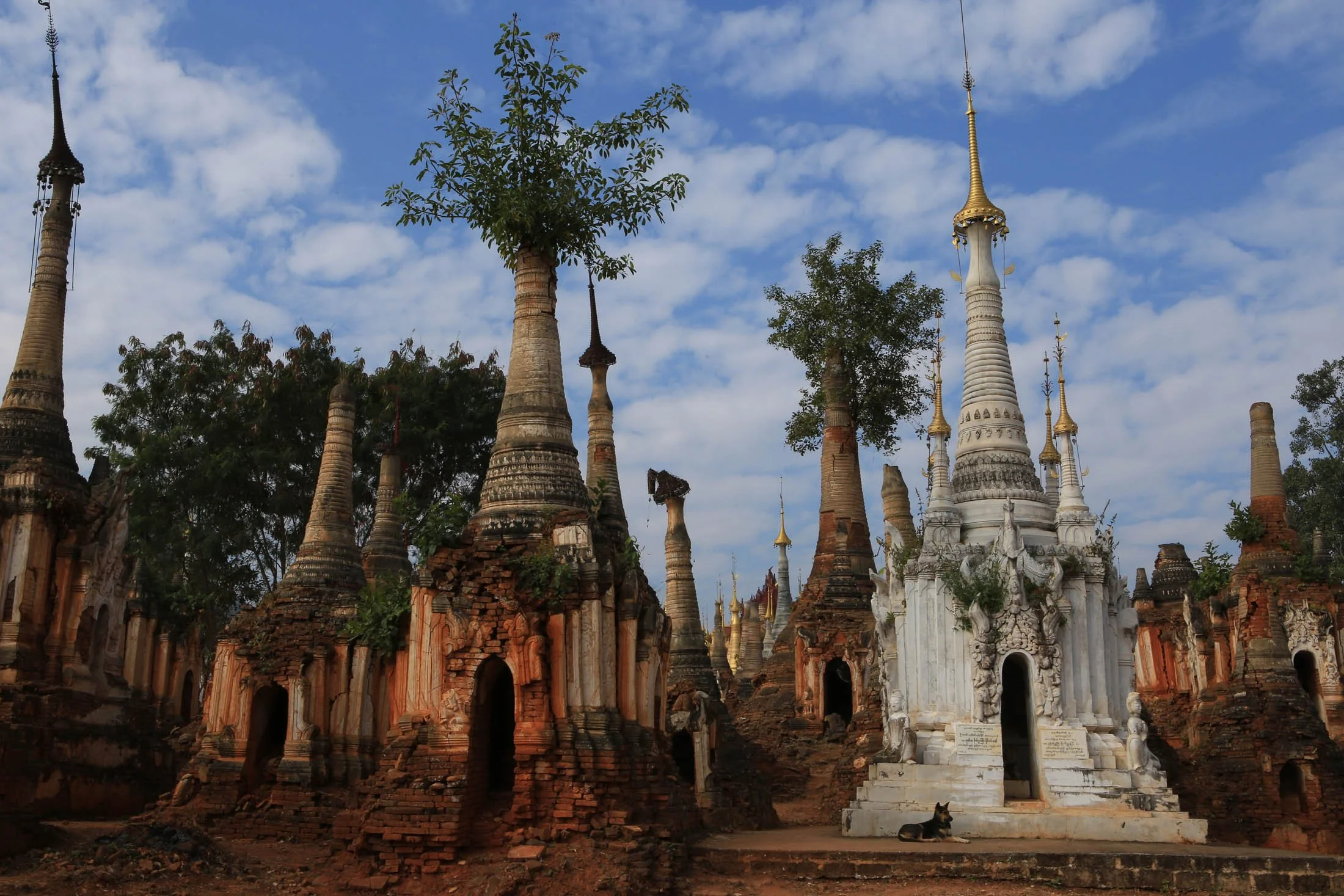
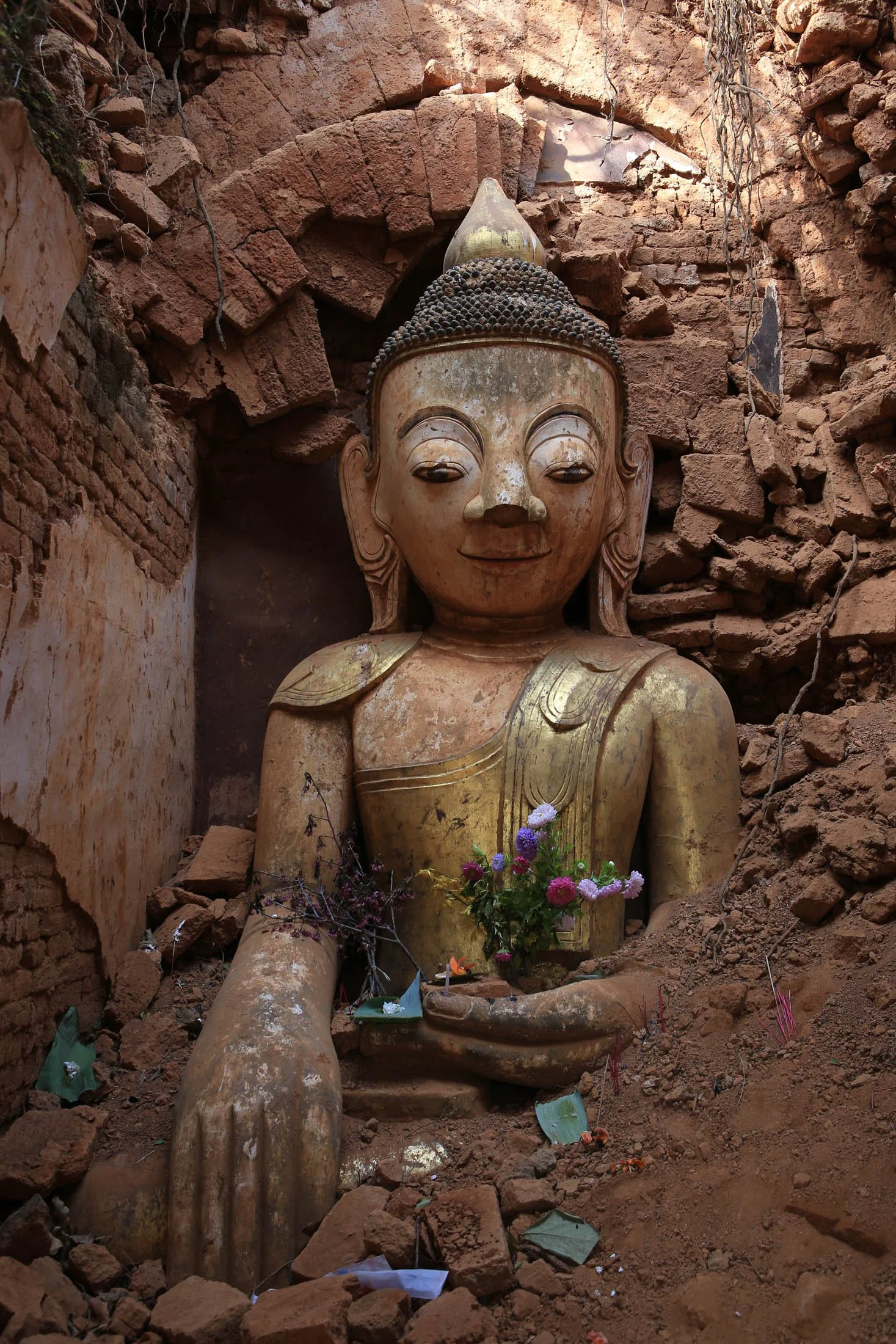
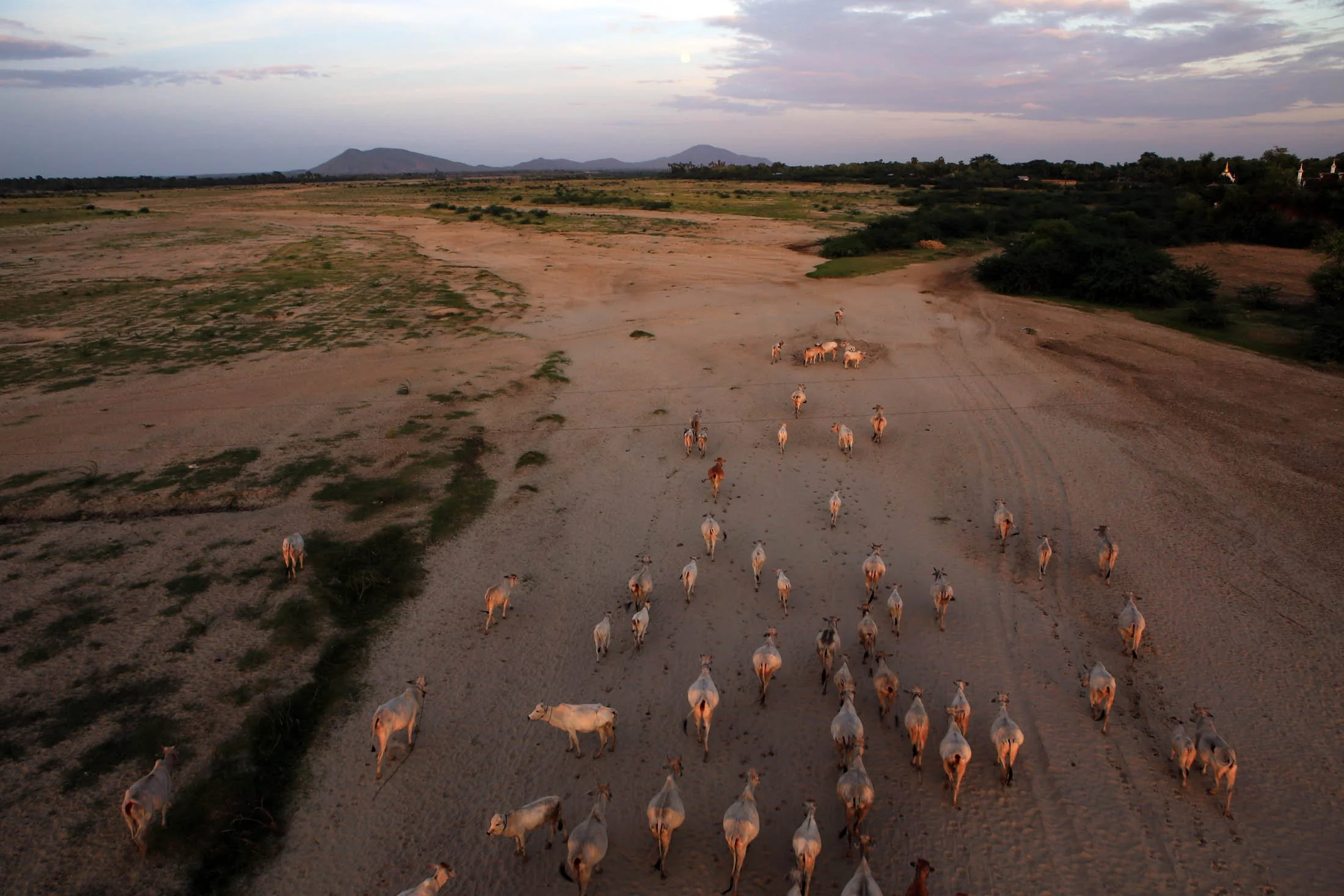
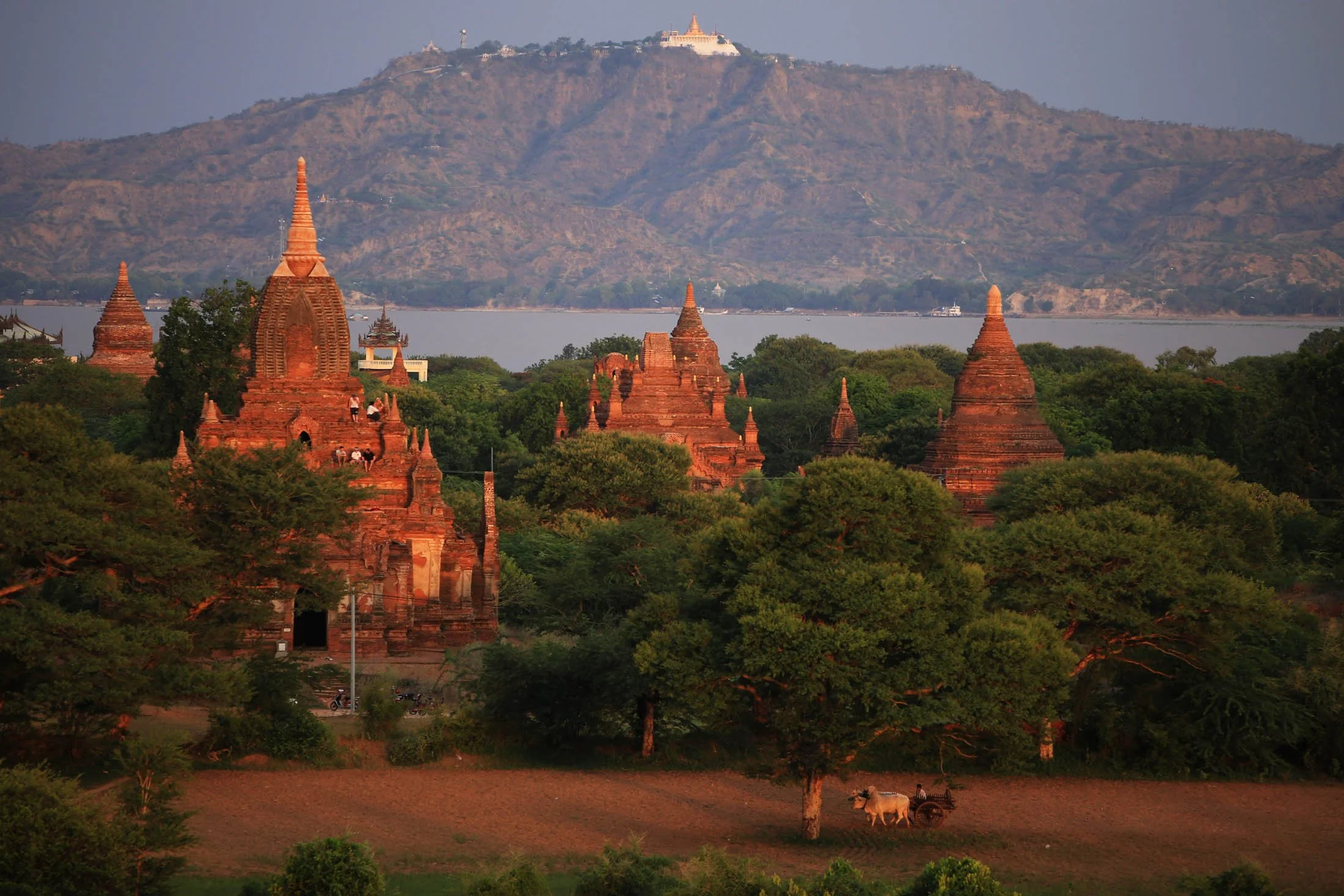
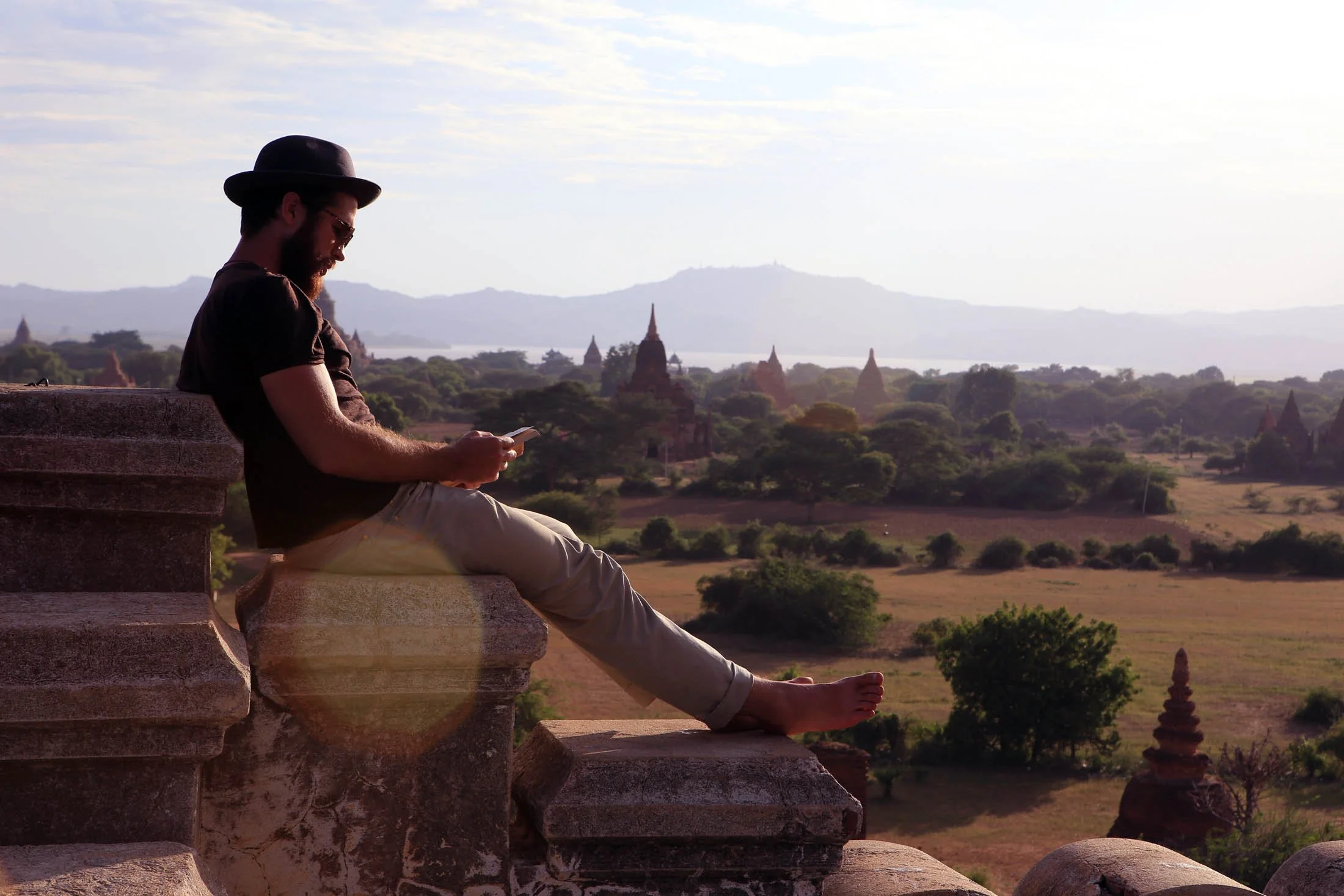
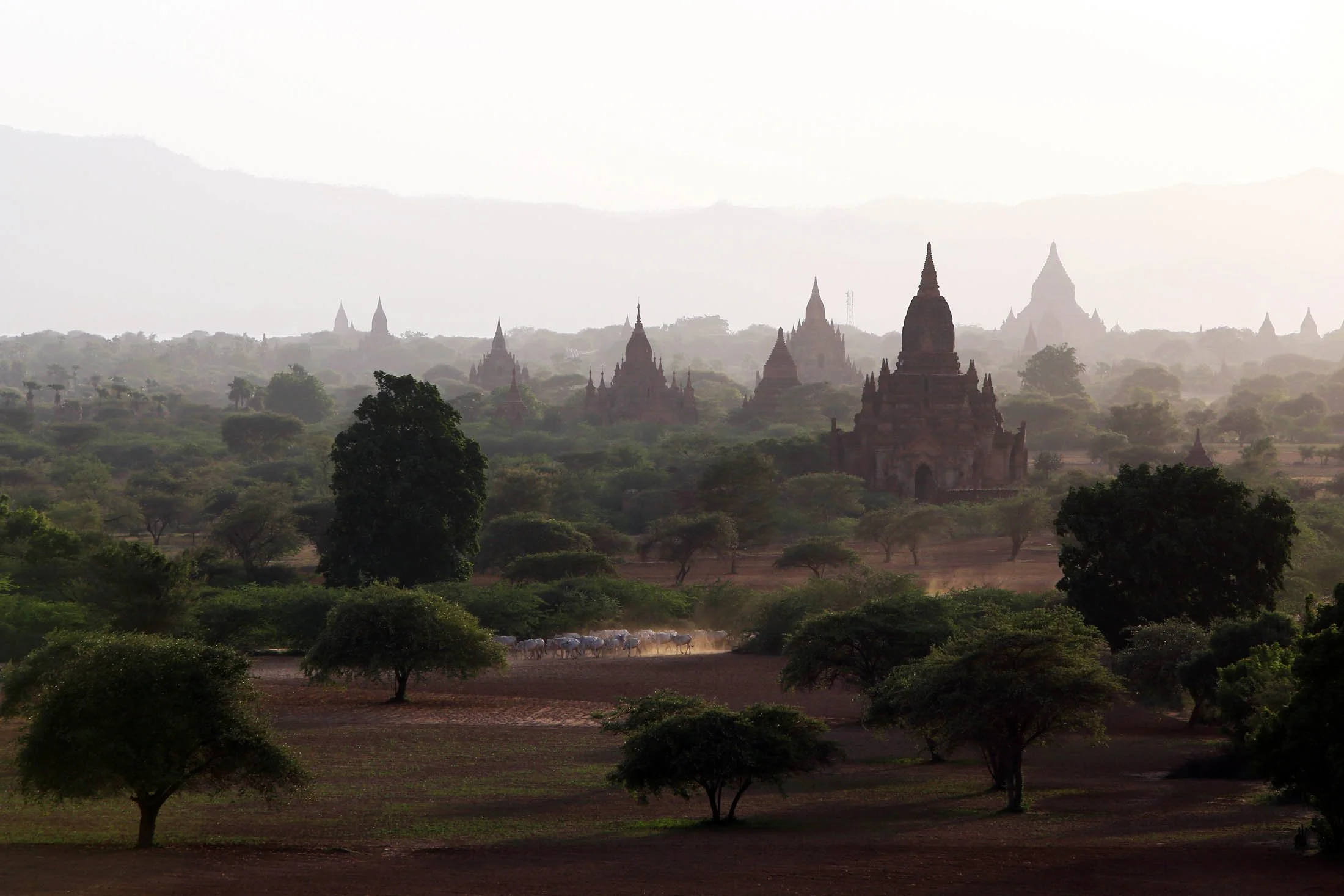
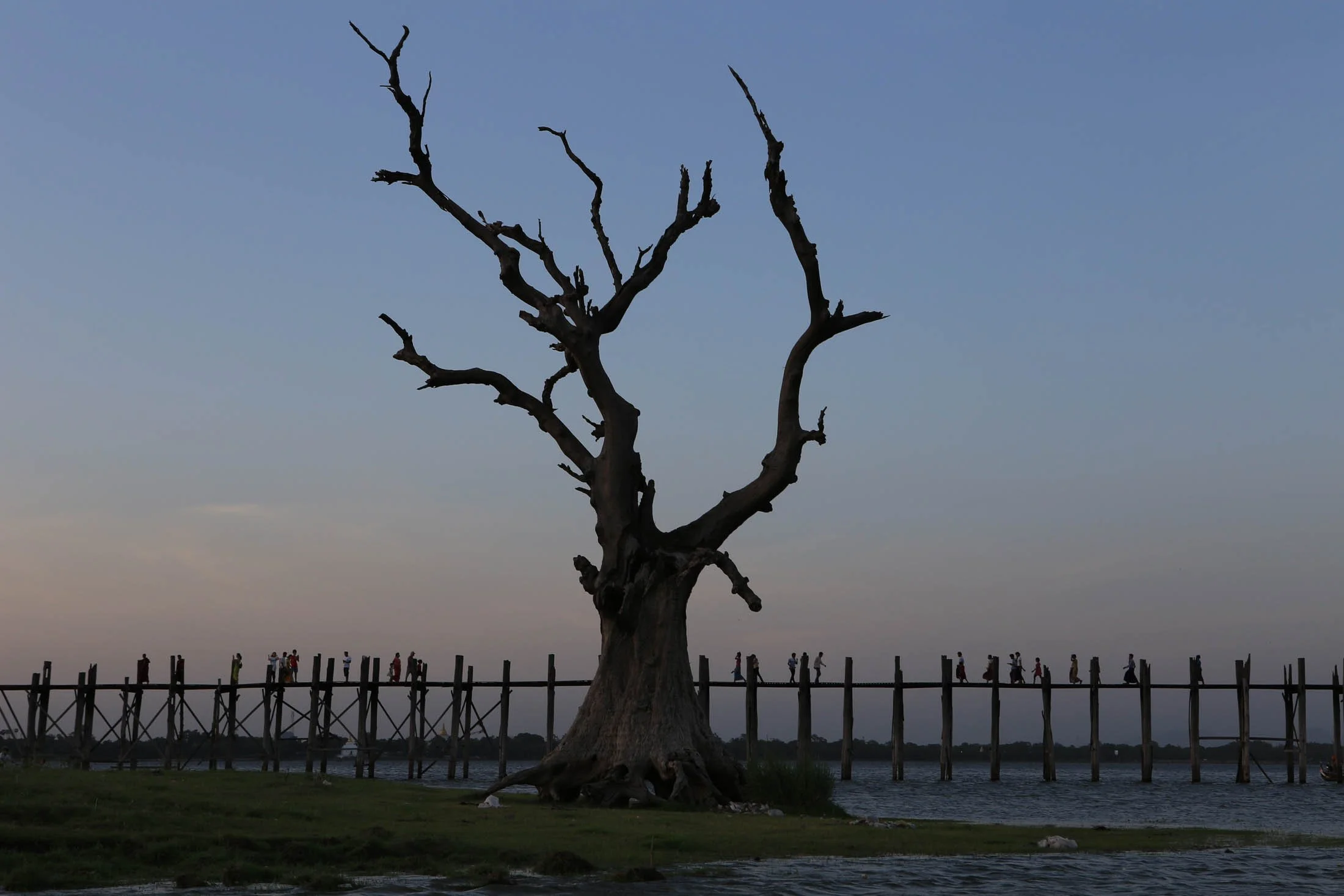
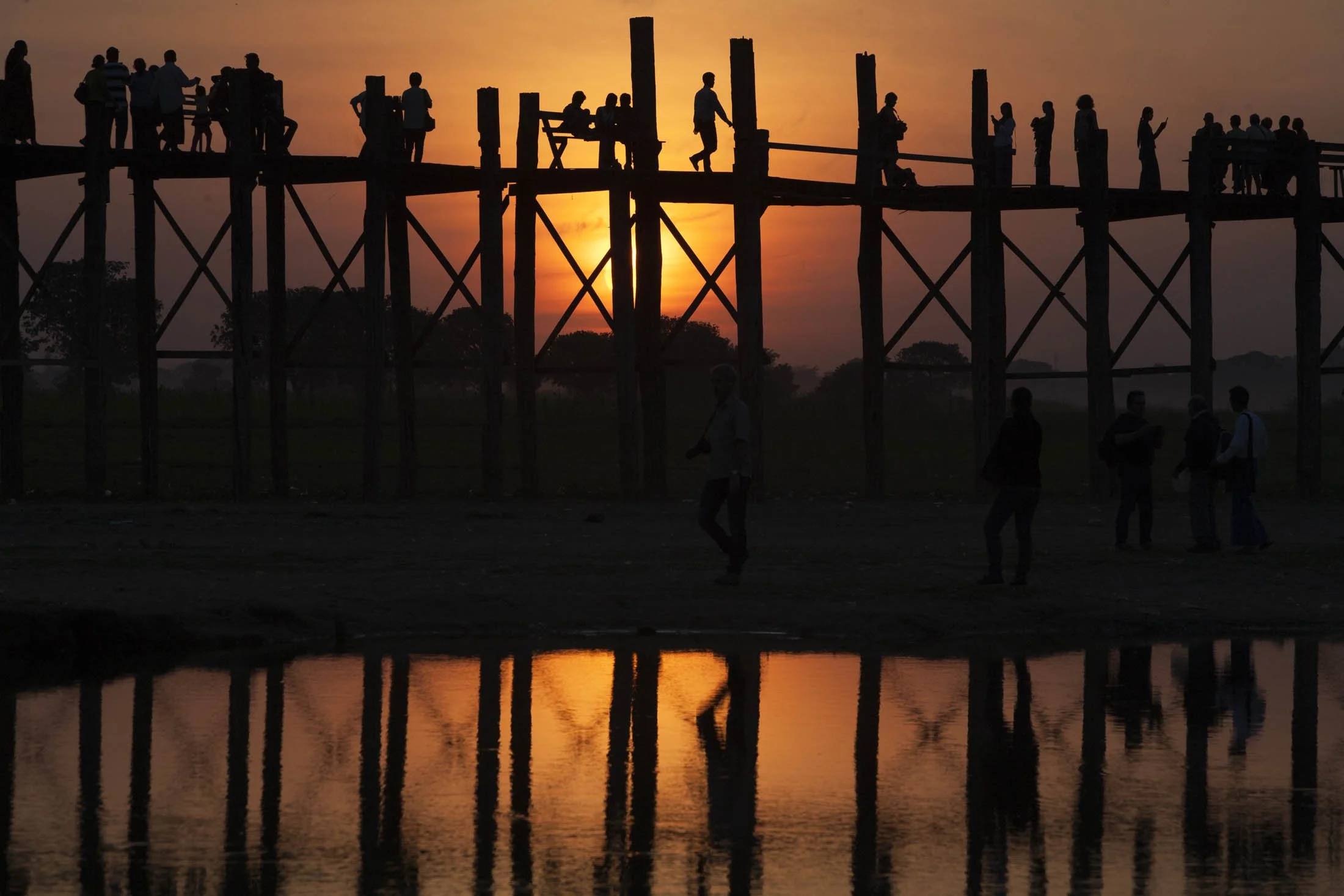
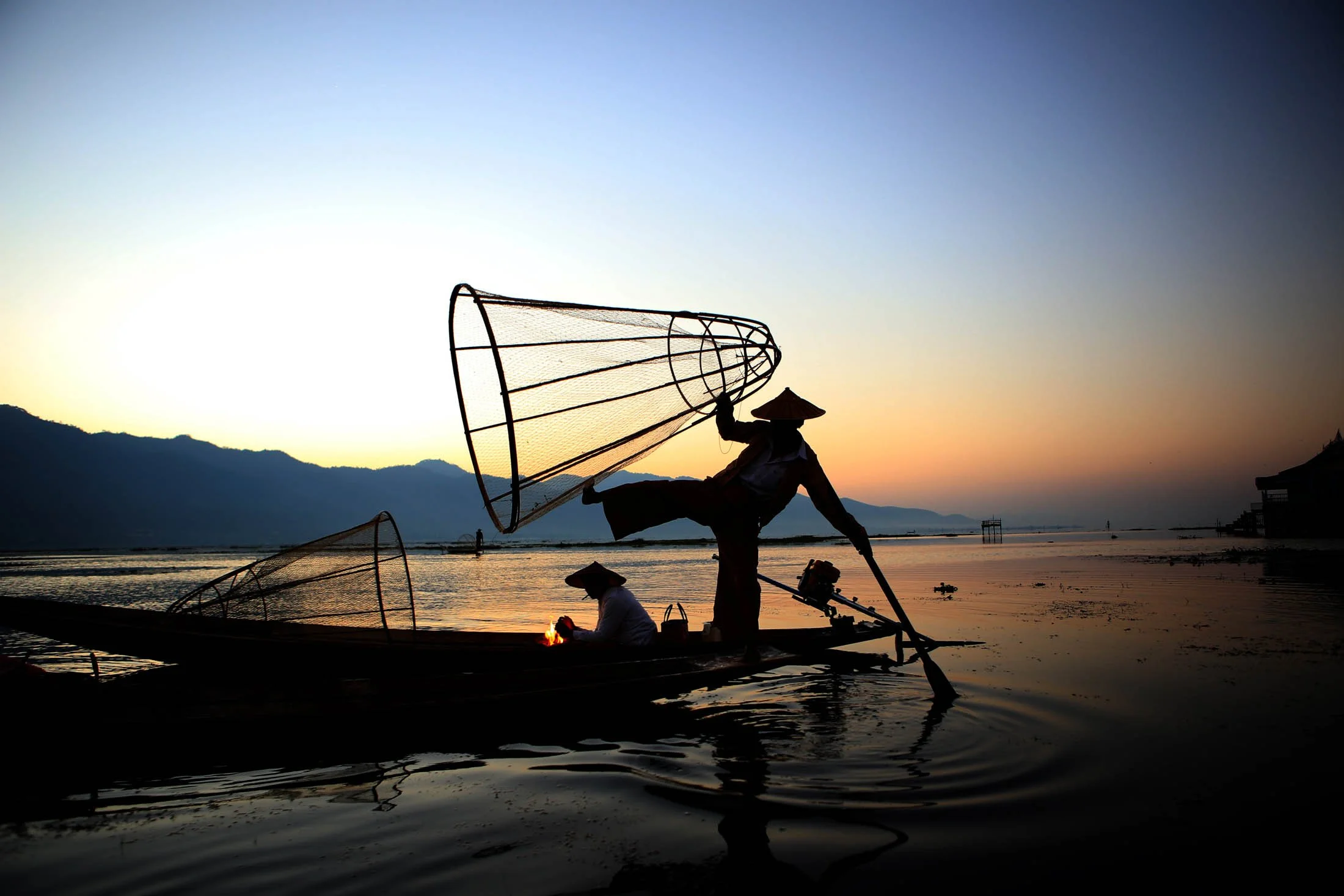
Exploring Burma is experiencing the country’s rich culture and complex history reflected in its many temples and pagodas, stunning landscapes from the golden plains of Bagan to the rolling hills of Shan State. Mandalay is a city steeped in history and culture. Bagan, an ancient city, is a UNESCO World Heritage Site with over 2,000 Buddhist monuments, stunning and magical at sunrise and sunset. Inle Lake is a serene freshwater lake with floating gardens, villages and the iconic one-legged rowing technique of the Intha fisherman waiting to be explored.
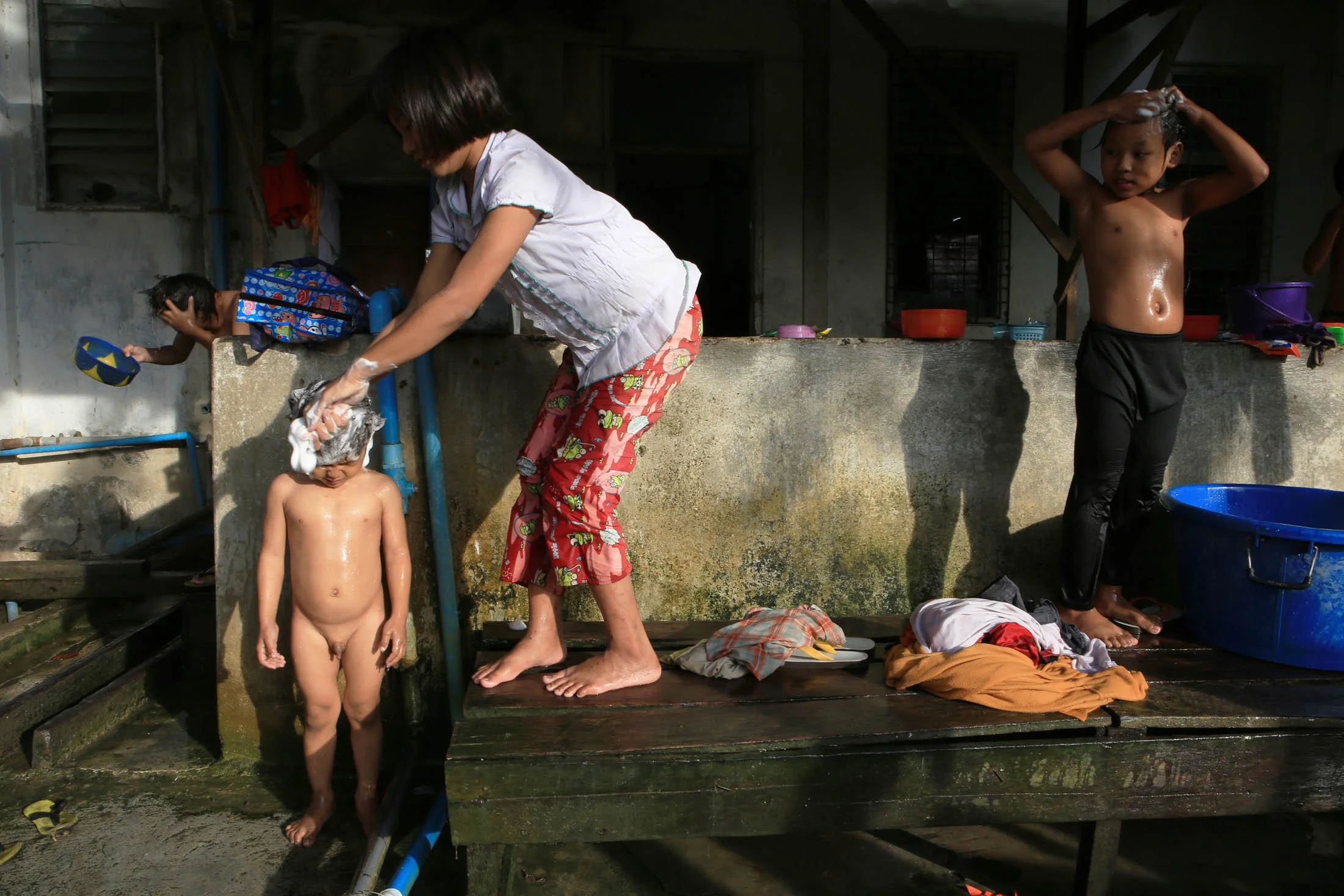
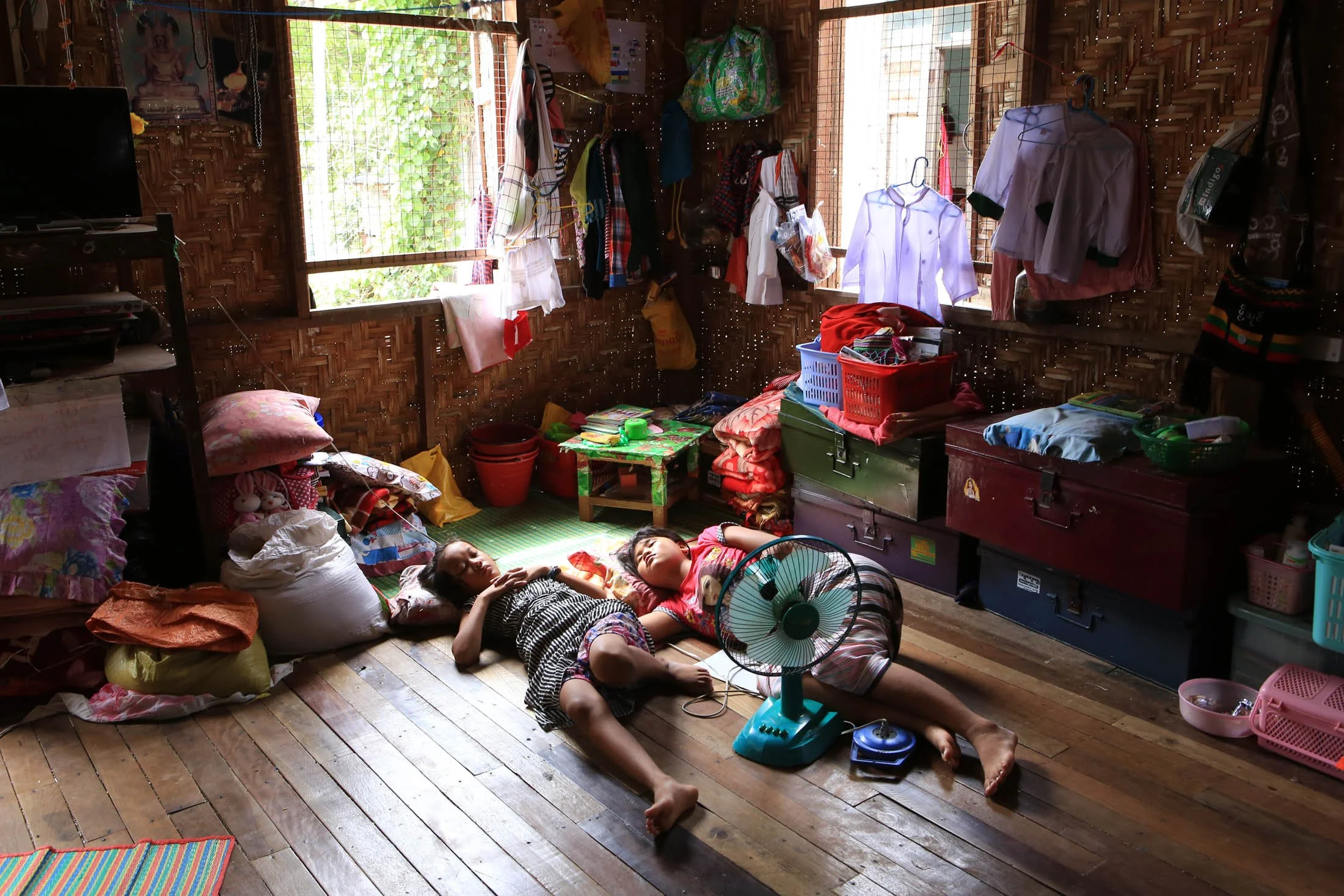
Unfortunately, Burma’s people have struggled against human rights issues under its military regime for years, which has long been regarded among the worst in the world. International human rights organizations throughout the world have repeatedly documented and condemned widespread violations from political prisoners, forced labor and human trafficking.
Documentary Travel Photography, Gail Fisher
Stories for the Los Angeles Times, Gail Fisher