Matters of Life or Death in Mongolia
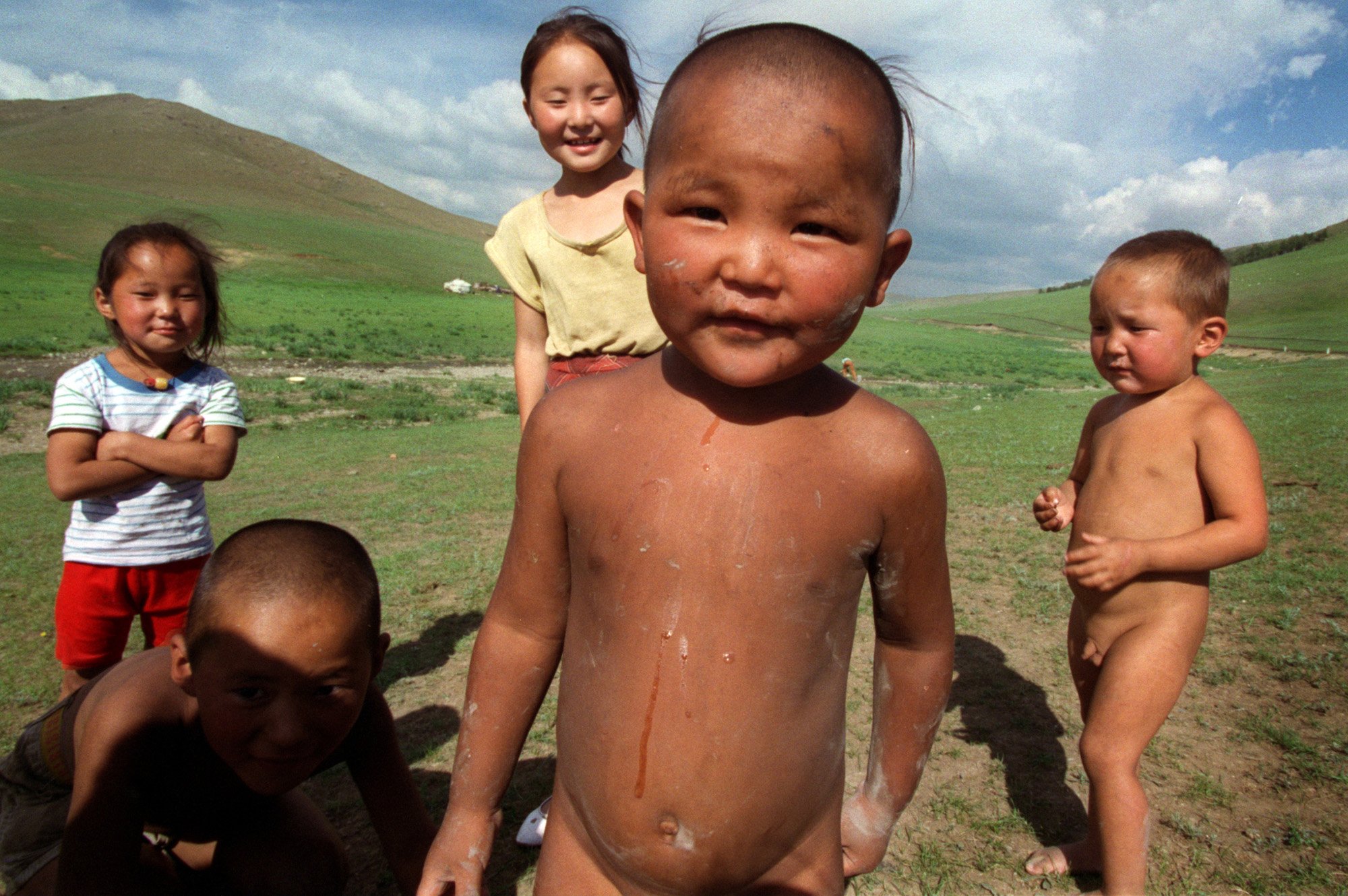
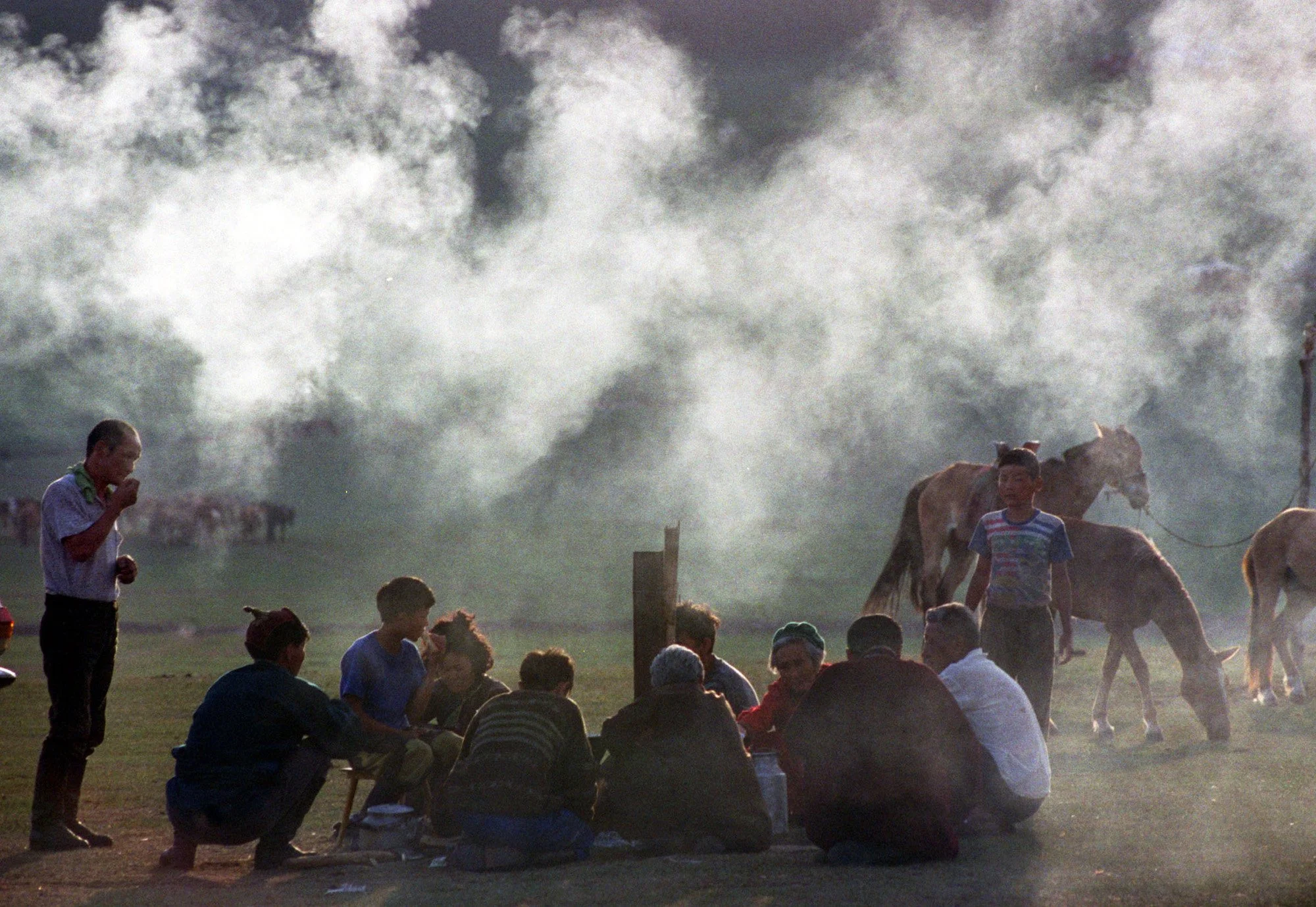
The doctors arrive a week early to explore the area around Ulaanbaatar, which one doctor describes as putting the play before the work. Yet the play has a purpose. To understand the medical needs of Mongolia, the doctors must understand something of the country itself.
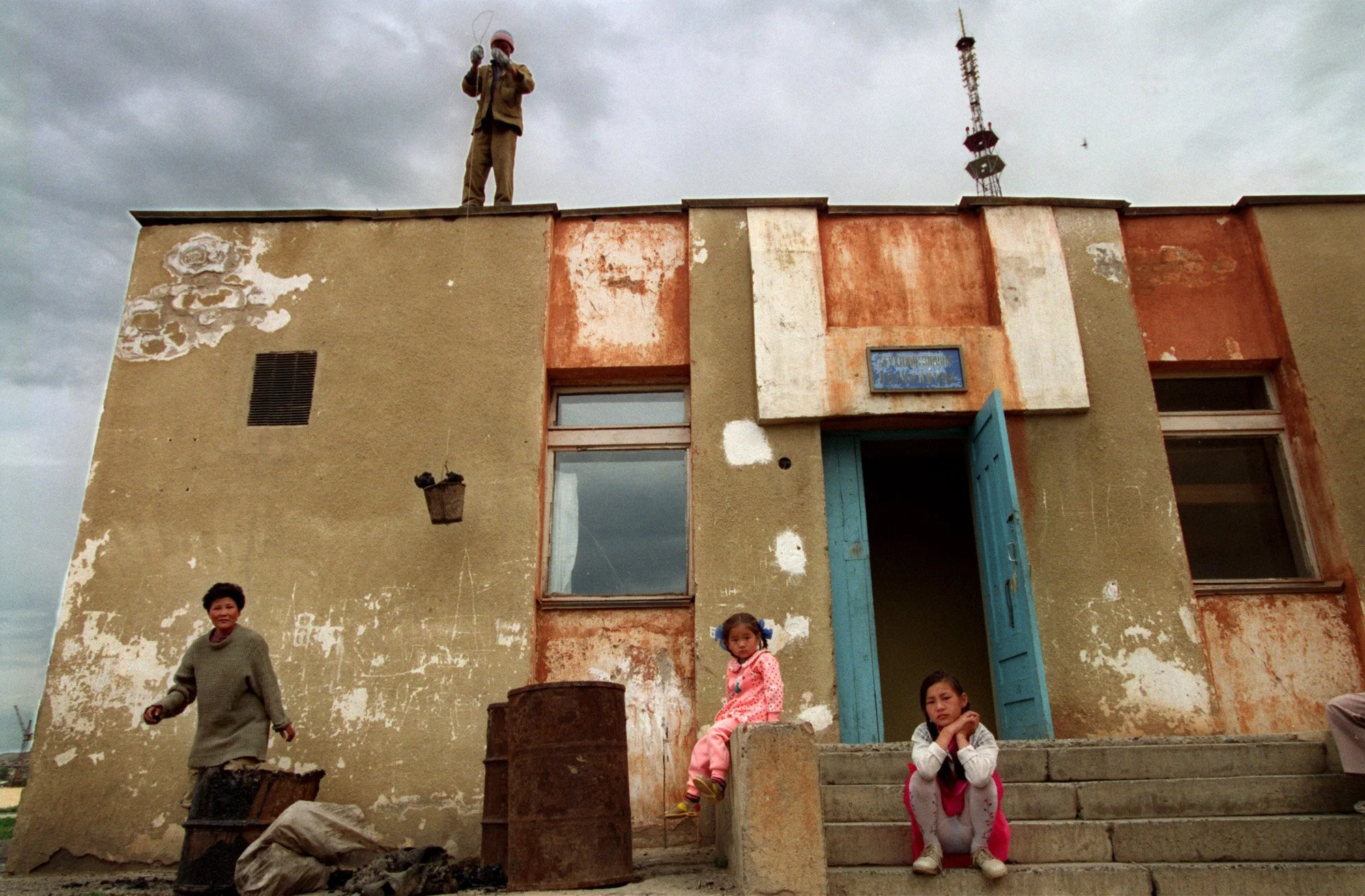
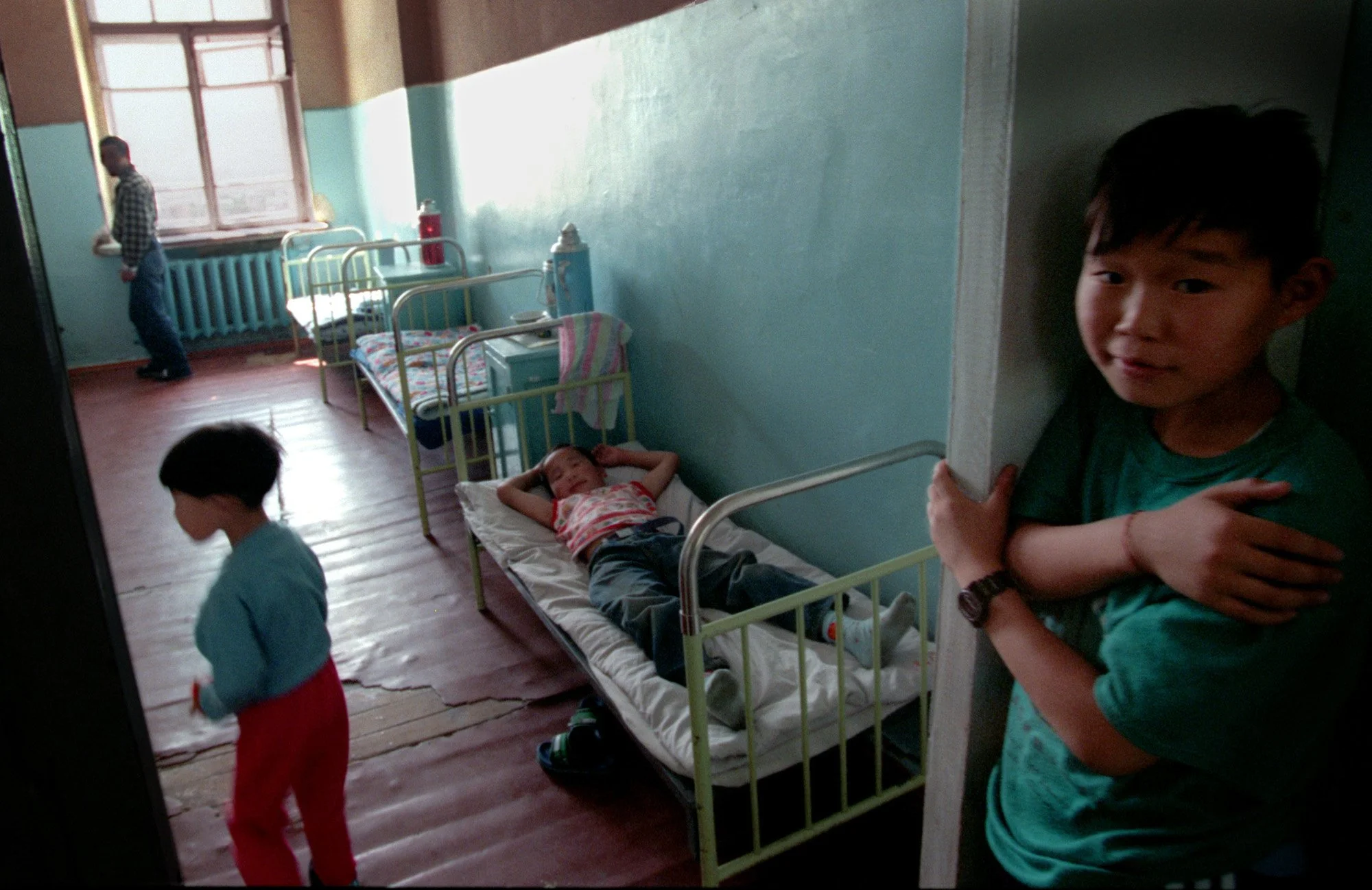
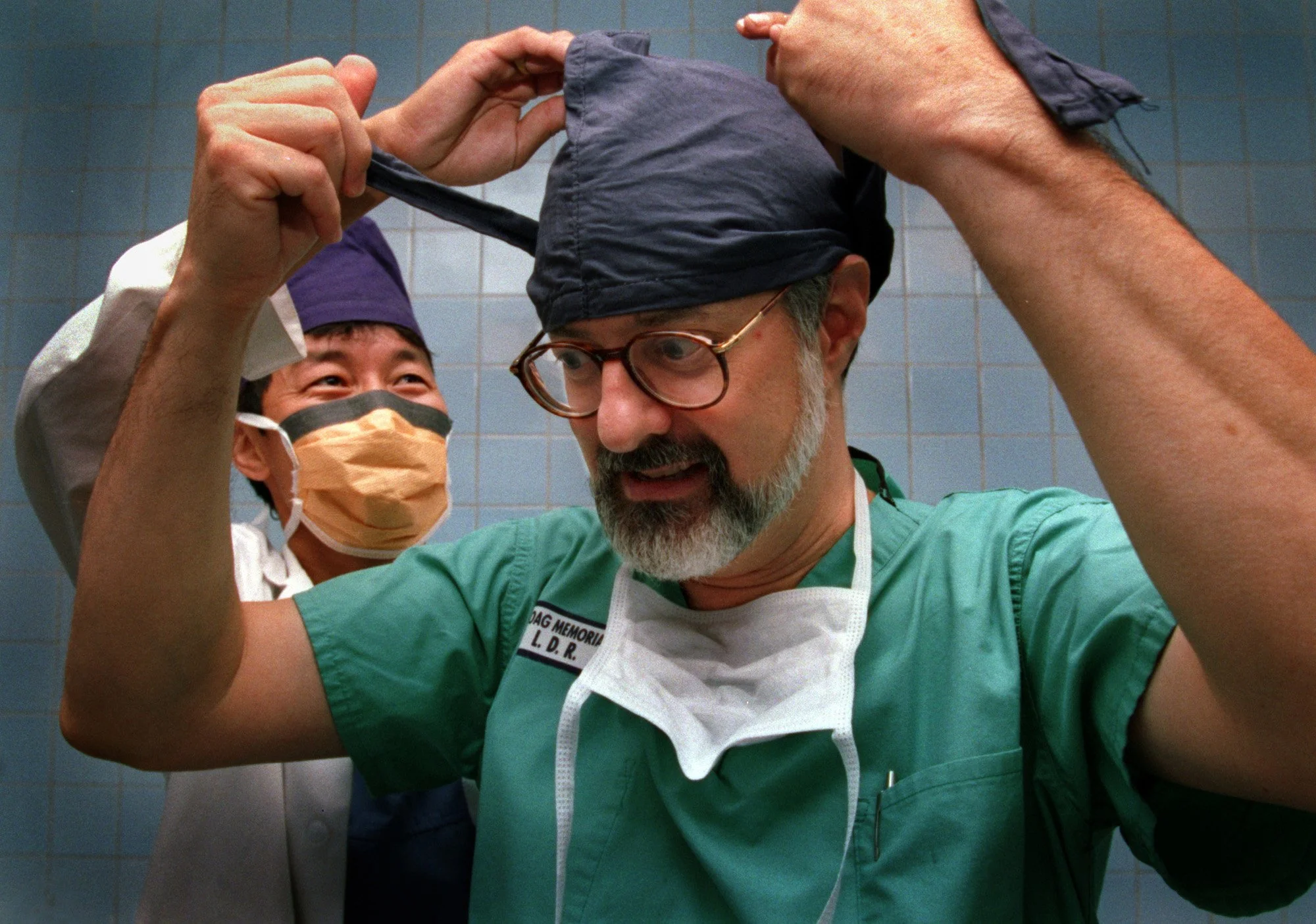
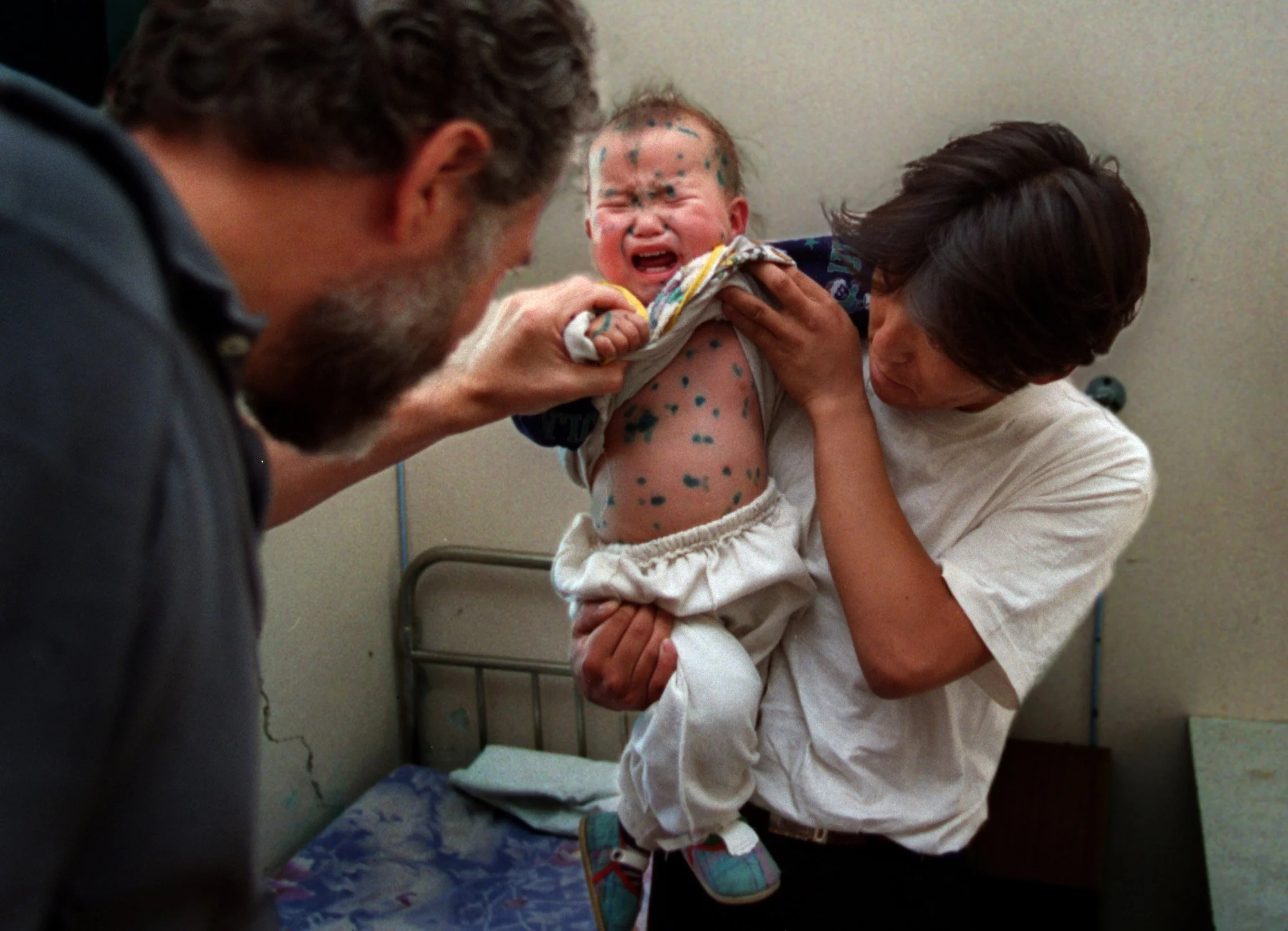
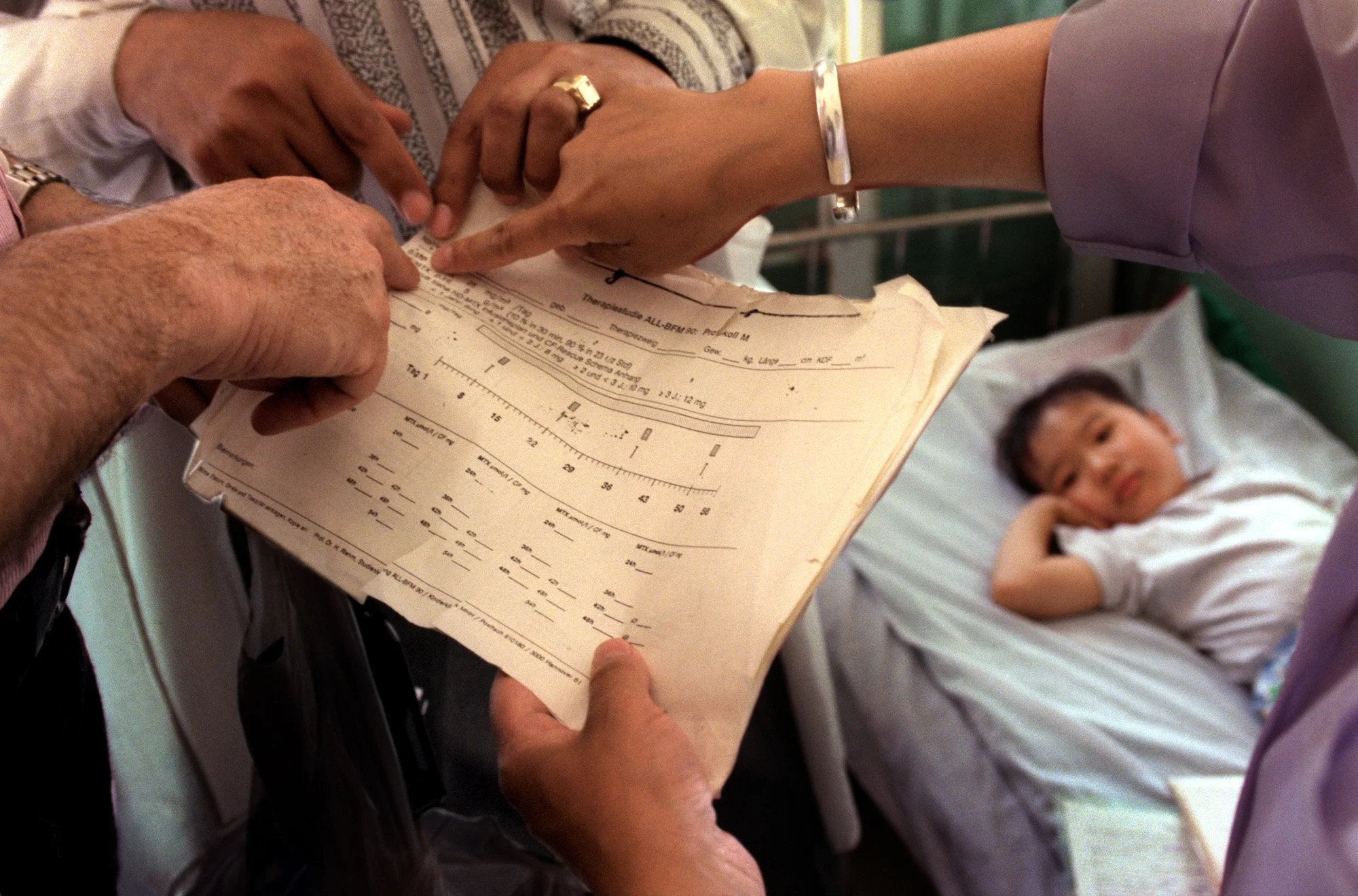
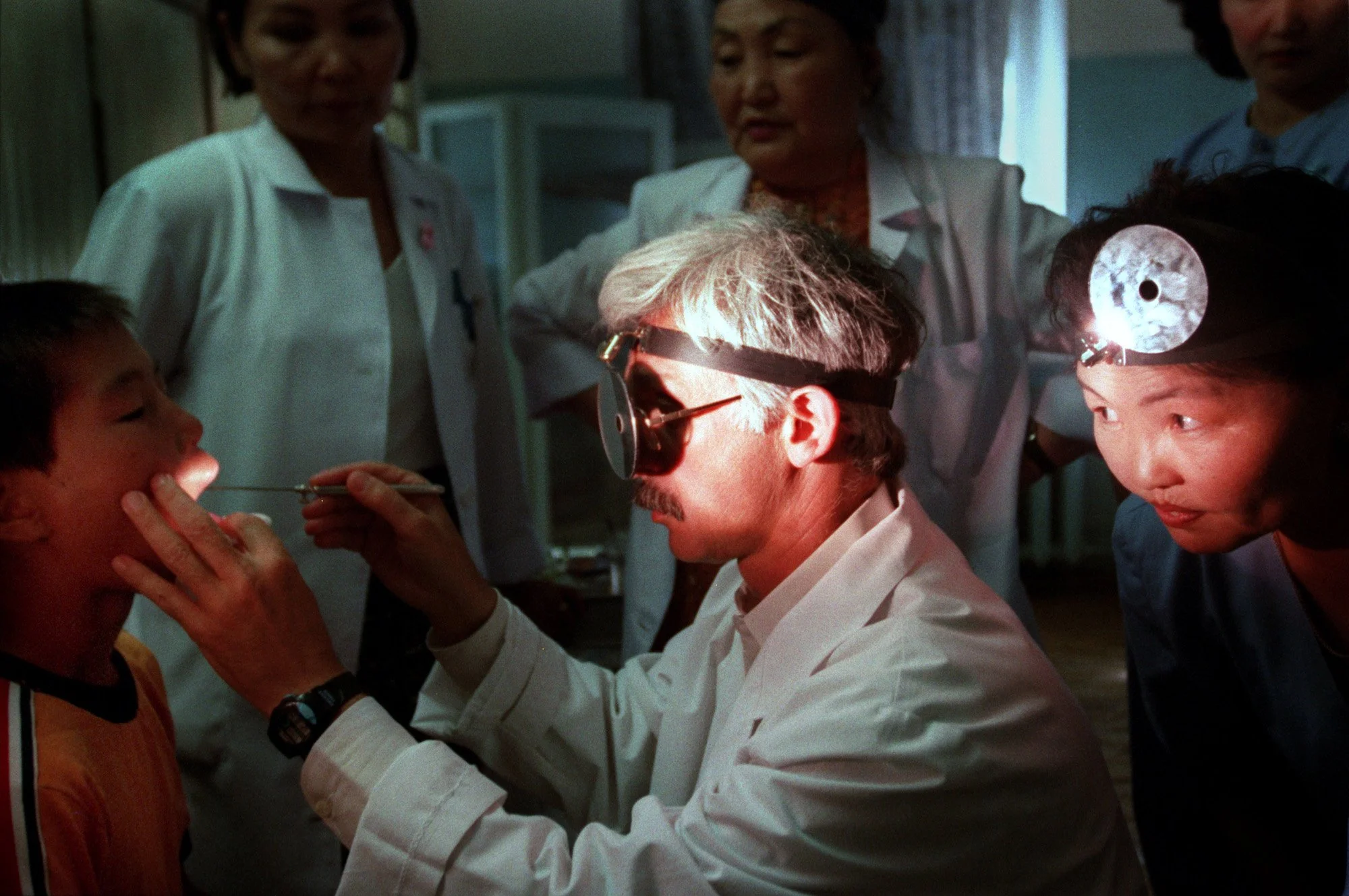
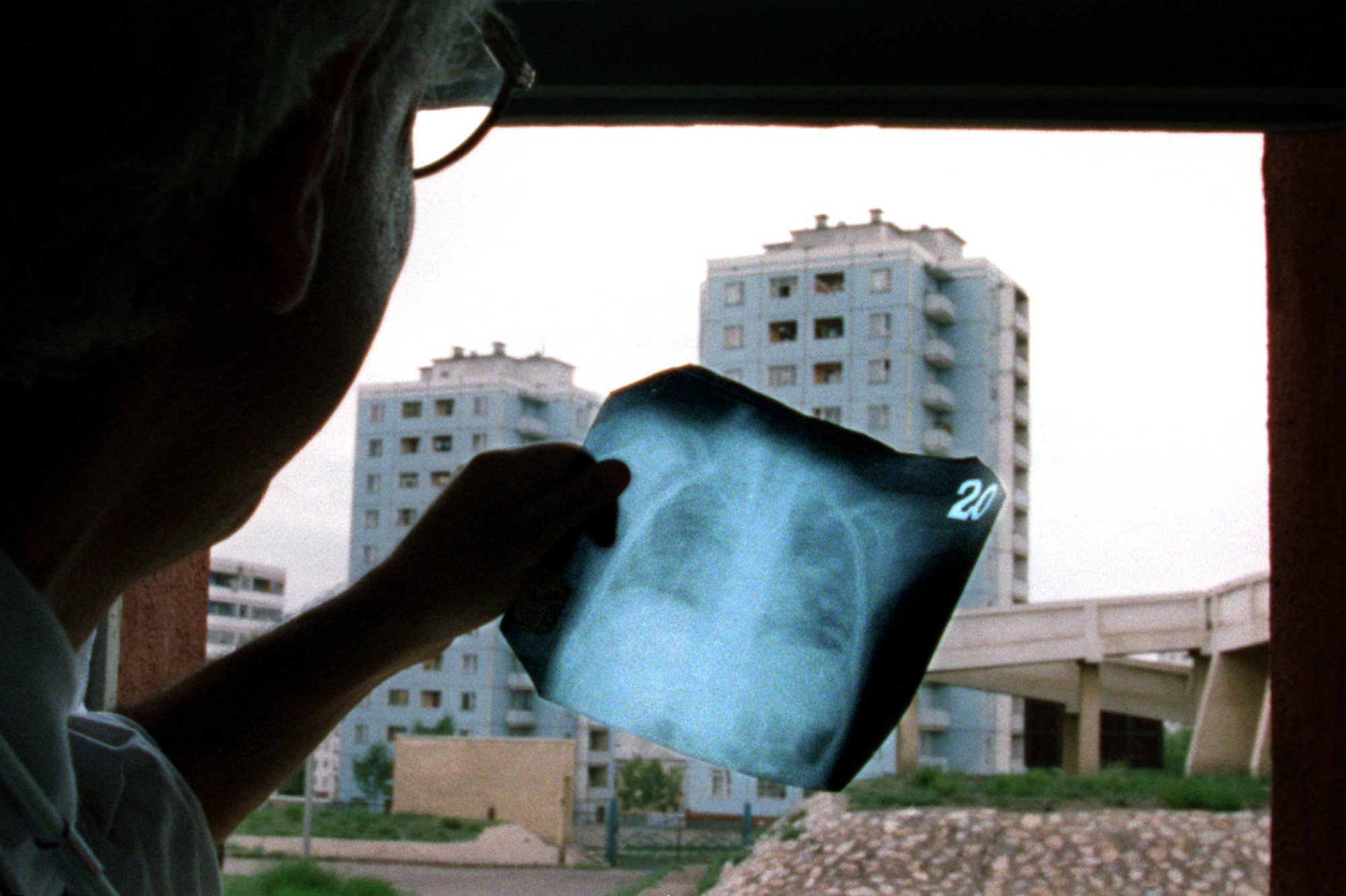
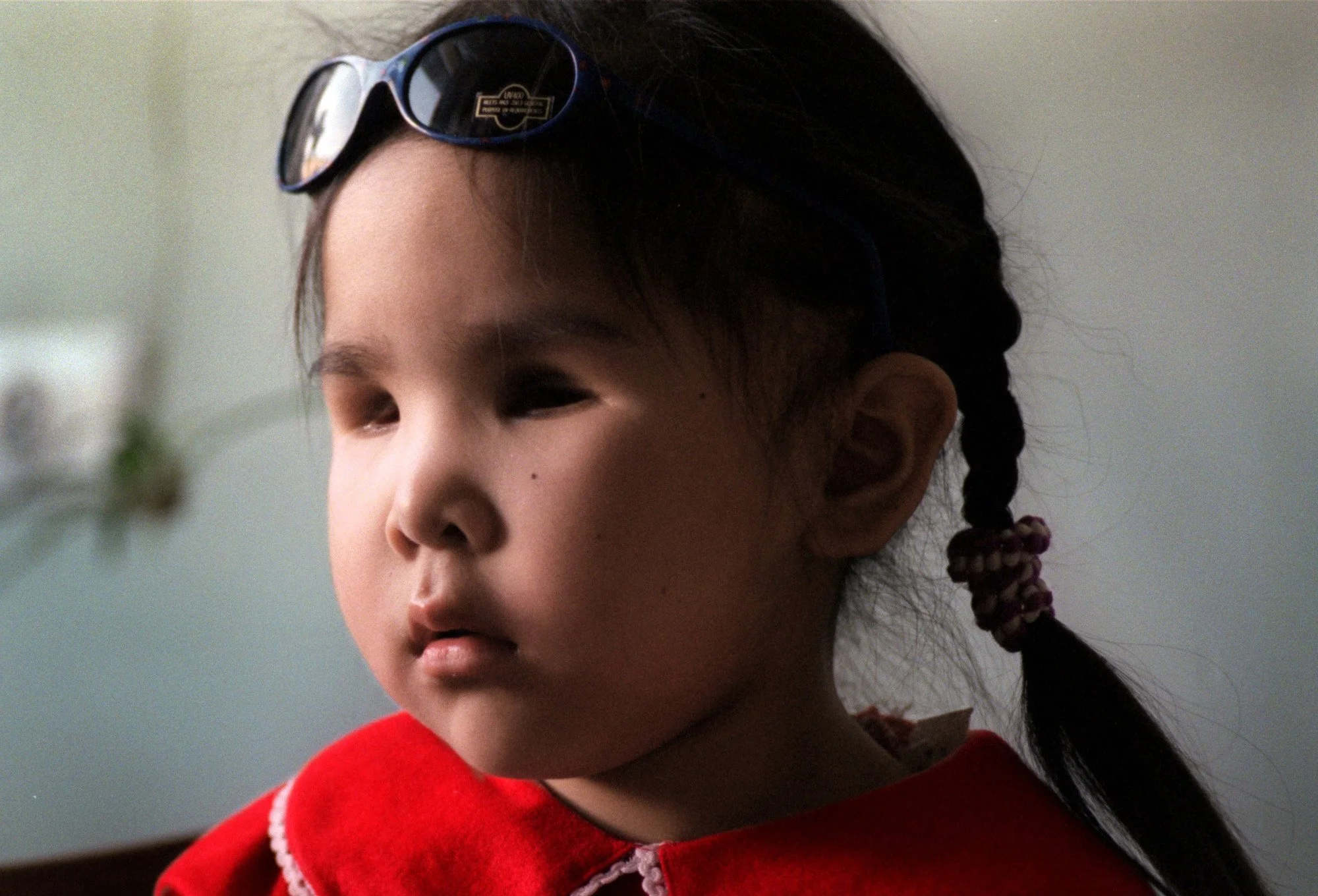
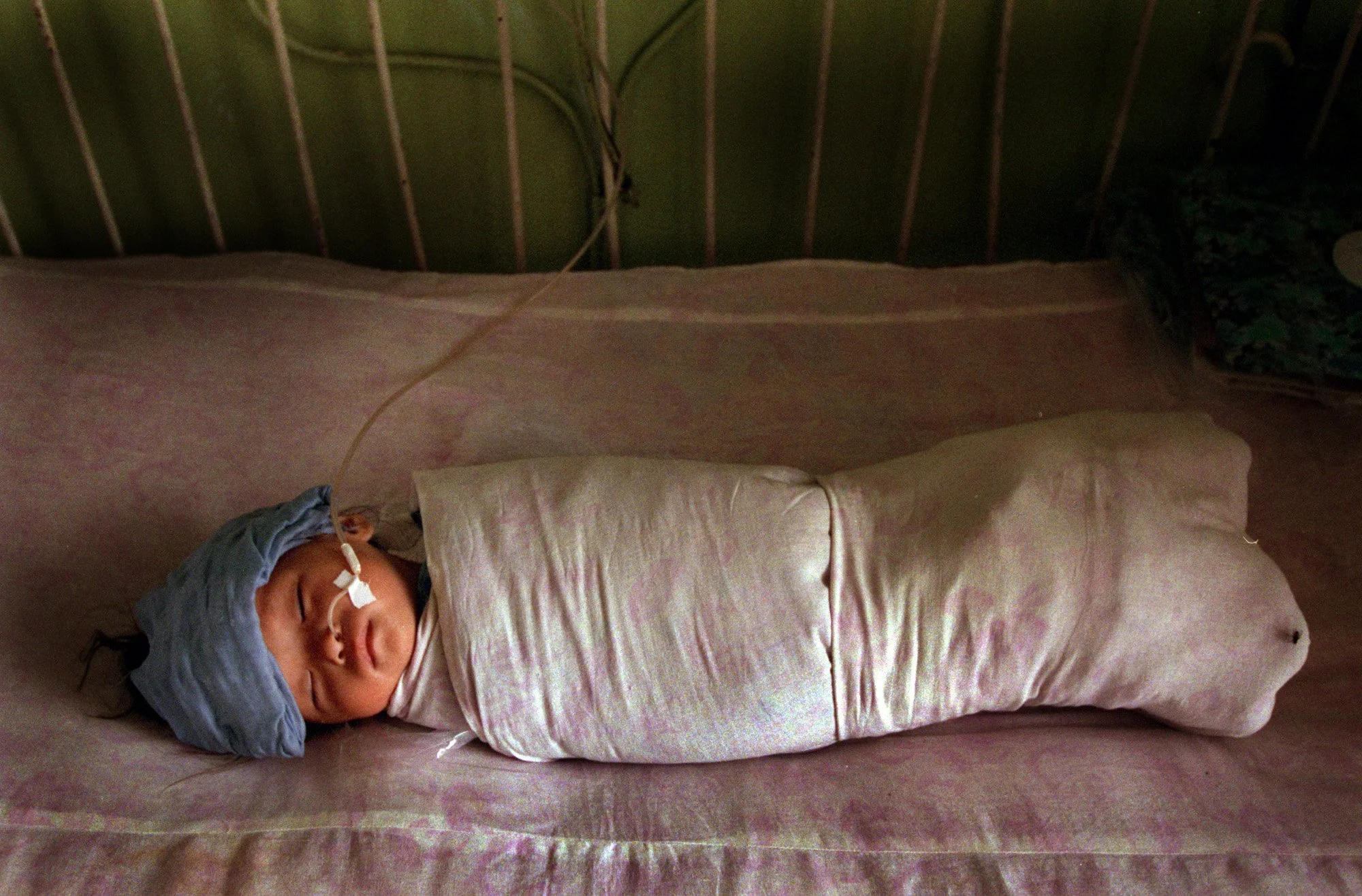
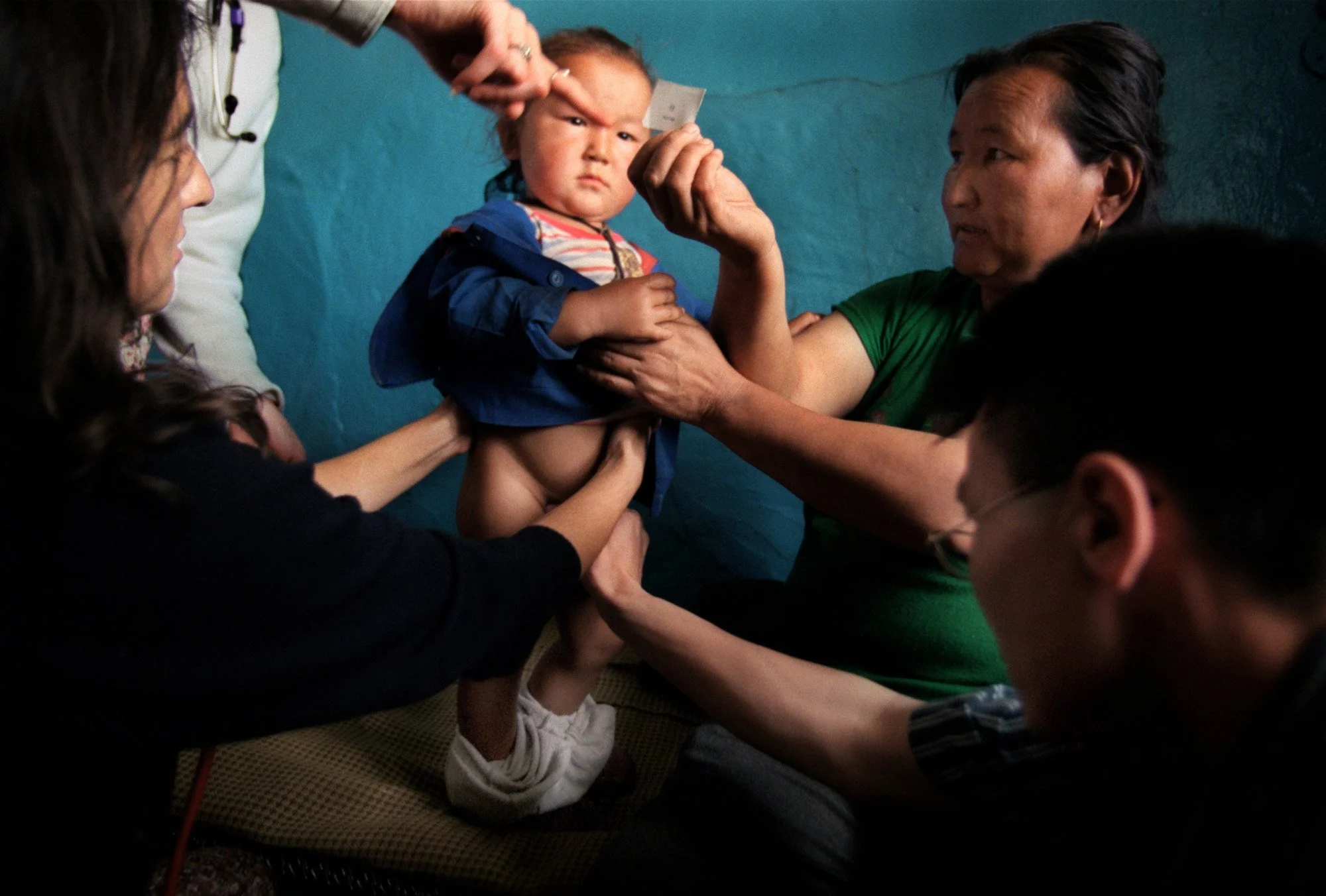
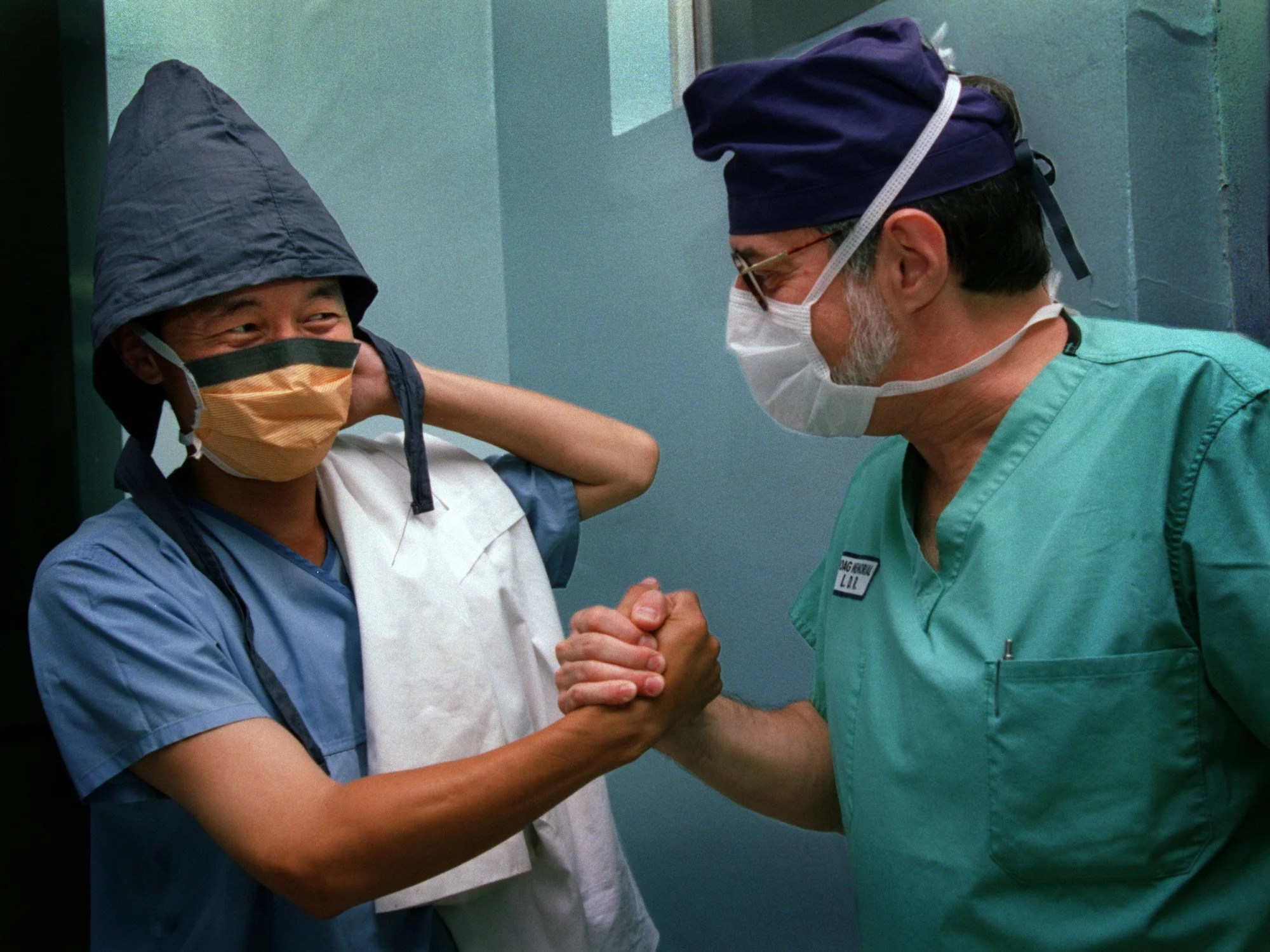
Two teams of American doctors--13 in all, mostly pediatricians and oncologists from Southern California--have come here to watch and help Mongolian physicians work in three of Ulaanbaatar's 15 hospitals, and in three villages in the countryside. During the week, the doctors will stumble across diseases they've rarely seen, such as rickets and diphtheria. They will work with equipment that could double as medical artifacts. And they will see difficult surgeries pulled off despite limitations in training, supplies and basic operating tools.
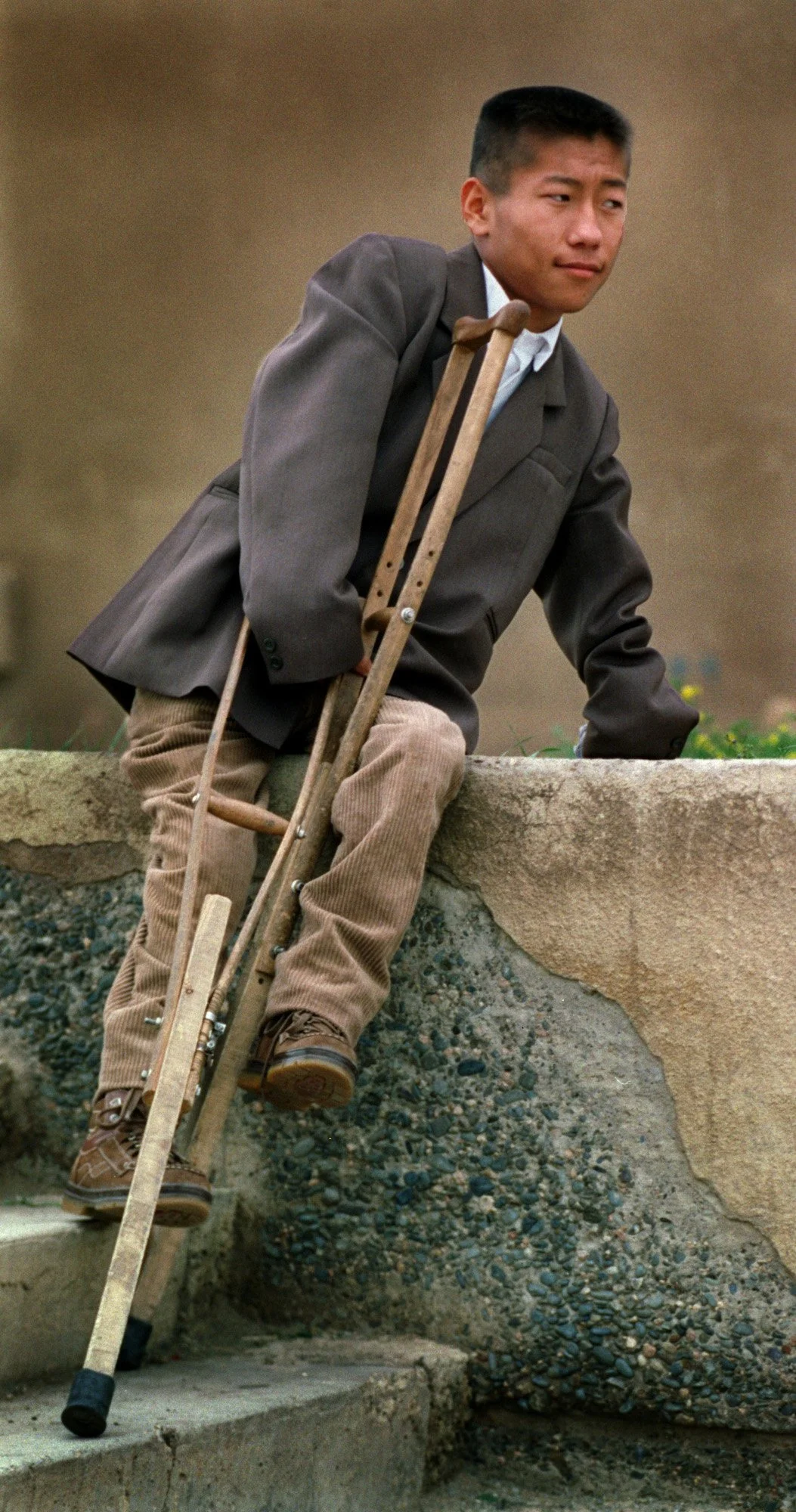
But they will also witness the tragic consequences of misdiagnoses and limited access to equally limited health care. By the time they leave, the doctors will have examined nearly 200 patients and consulted on dozens more cases. They will have directly saved the lives of several people, improved treatments for scores of others and passed along innovations that will help Mongolia's doctors deal better with such ancient but curable killers of children as respiratory infection and diarrhea.
Los Angeles Times Staff Photography: Gail Fisher
Los Angeles Times Staff Writer: Scott Martelle